I still remember the first time I dug my hands into soil as a kid in my grandmother’s garden in upstate New York—how the earth smelled after rain, how the sun warmed my shoulders as I pulled up carrots. That moment stuck with me, and now, years later, I’m here to share the joy of growing your own food, whether you’ve got a backyard plot or just a sunny windowsill. This site is my way of passing along the lessons I’ve learned: the patience it takes, the little tricks that make all the difference, and the quiet satisfaction of harvesting something you’ve nurtured yourself.
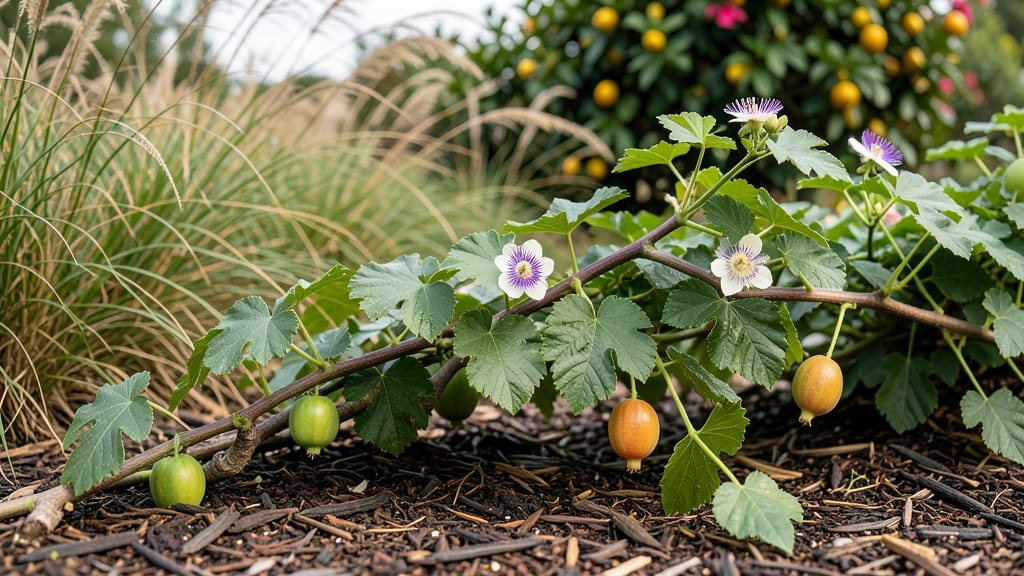
💥 Quick Answer Passionfruit is not a citrus fruit—it belongs to the Passifloraceae family, known for its tropical vines and unique floral structure, while citrus fruits come from the Rutaceae family. Their flavors…
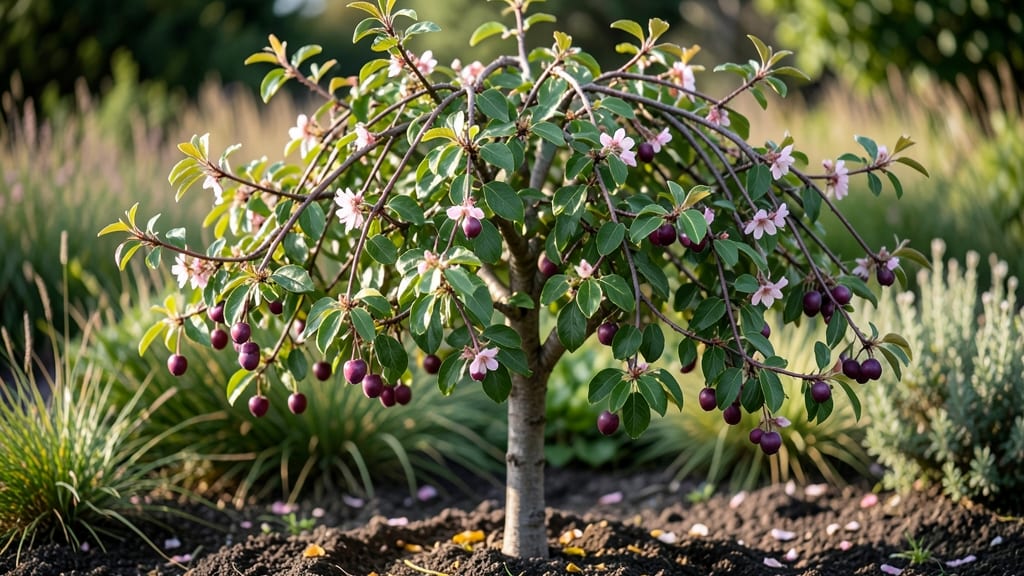
Pruning your cherry plum tree isn’t just about shaping branches—it’s the secret to heavy fruit loads and fewer pests. 🌿 I’ve seen trees with half the blooms produce twice the fruit after just one proper pruning session…
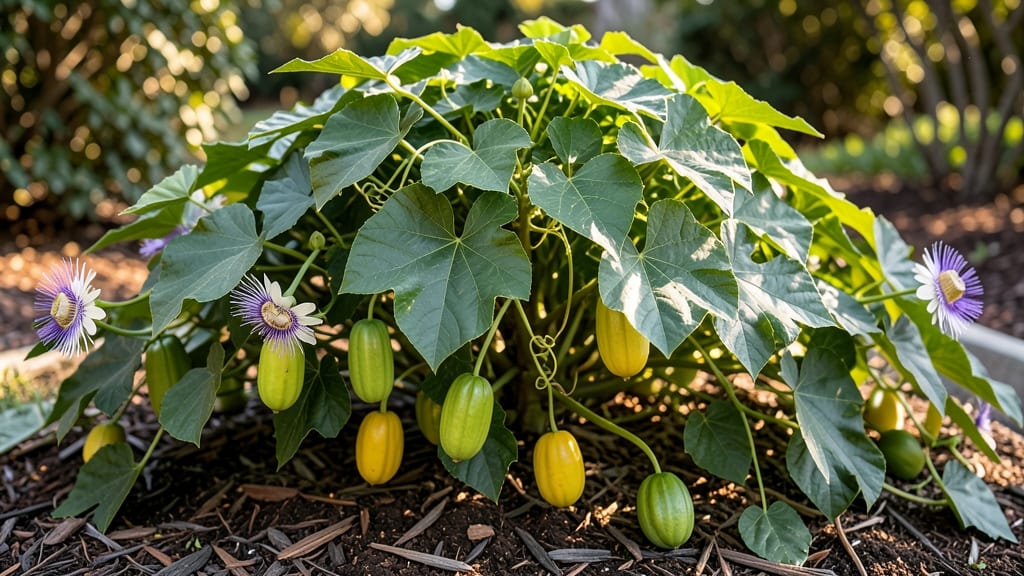
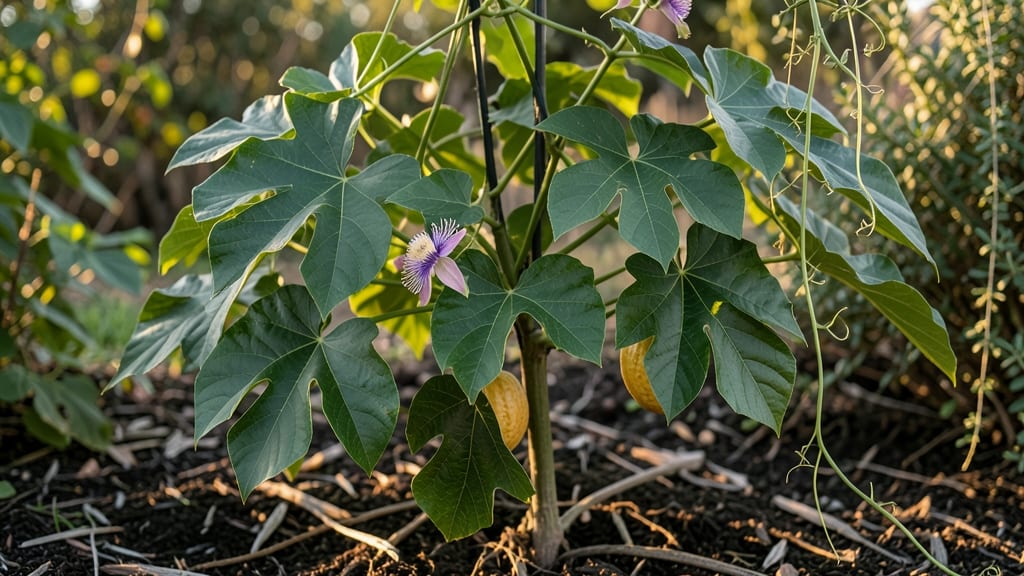
Growing giant passion fruit from seed means pound-sized tropical treats on your vine—if you nail the soil, sunlight, and support. 🌿 I’ve wrestled with this vine for years, and the secret isn’t just patience—it’s…
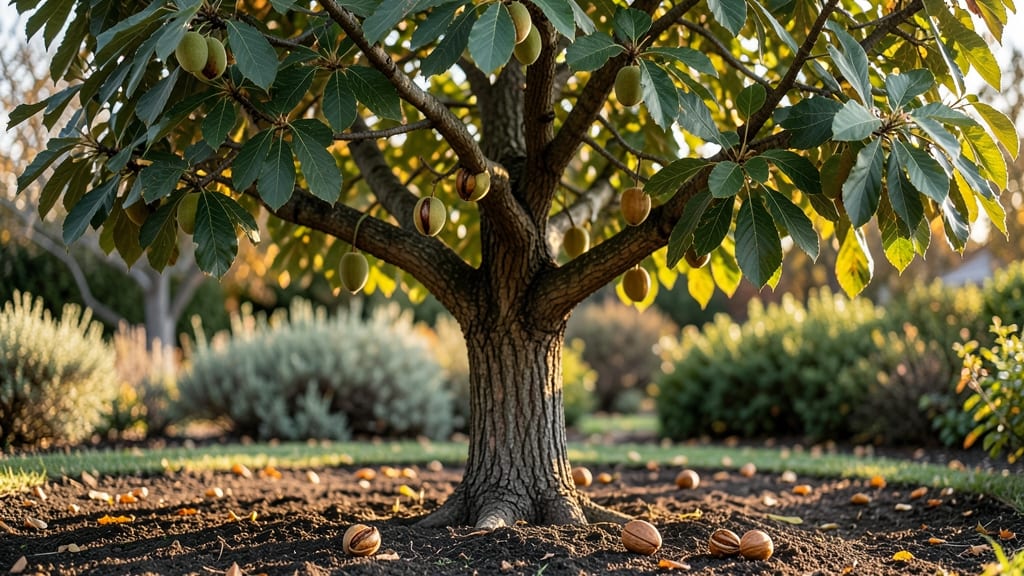
💥 Quick Answer Walnut tree fruit refers to the nut encased in a green, spiky husk that matures in late summer or fall. Recognize it by its distinctive round shape and thick outer shell, and harvest when the husk…
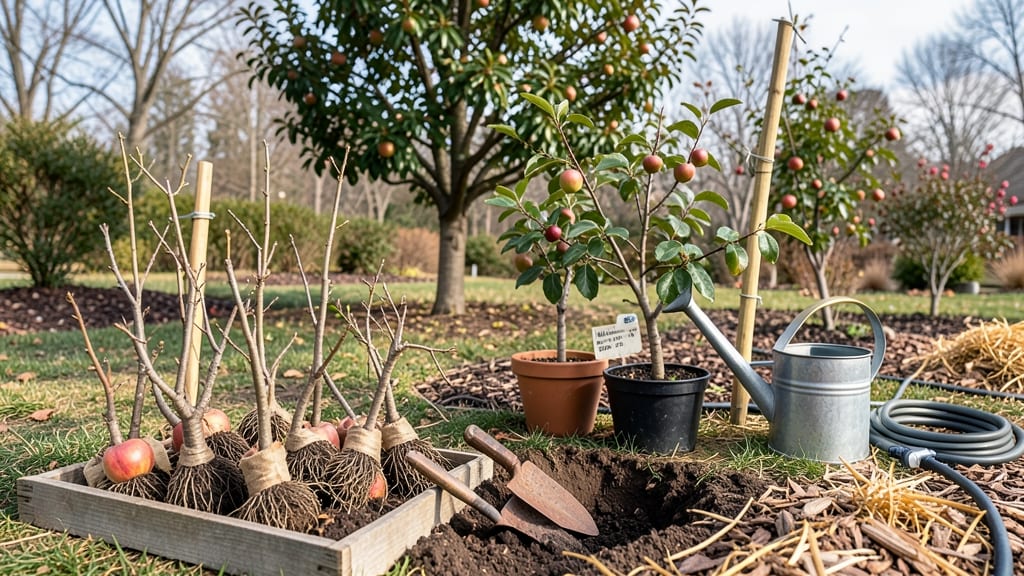
Planting fruit trees in Massachusetts at the right time ensures strong root growth and bountiful harvests 🍎—aim for late winter to early spring or early fall for best results. If you’ve ever watched a young tree…
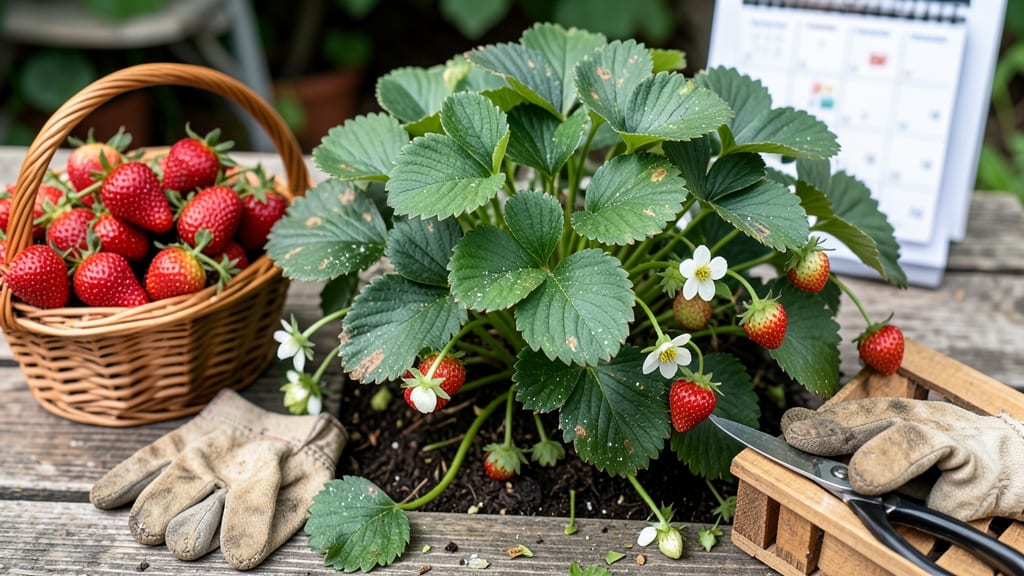
💥 Quick Answer Strawberries typically produce fruit for 2-4 weeks per season , with June-bearing types delivering one concentrated harvest while everbearing and day-neutral varieties offer staggered yields from spring…
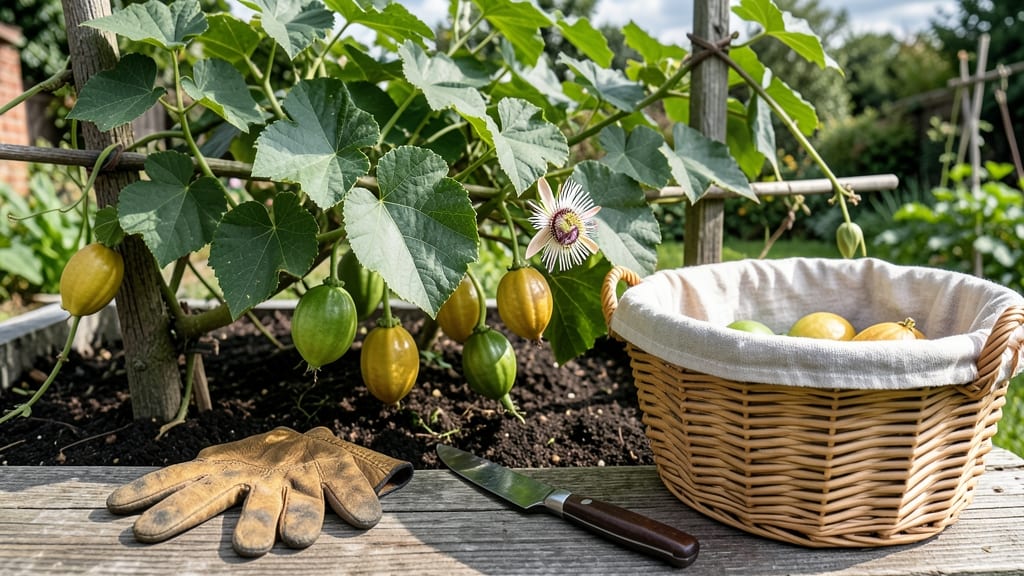
Growing Passiflora edulis passion fruit in your backyard means sweet, tangy fruit straight from the vine—no grocery store needed. 🌿 The key to success lies in mimicking its tropical roots, even if you're not in a warm…
Passion fruit are ripe to eat when they turn fully purple or golden-yellow and give slightly when pressed 🍈—but wait too long, and you’ll miss the sweetest flavor. Picking passion fruit at the wrong stage can leave you…
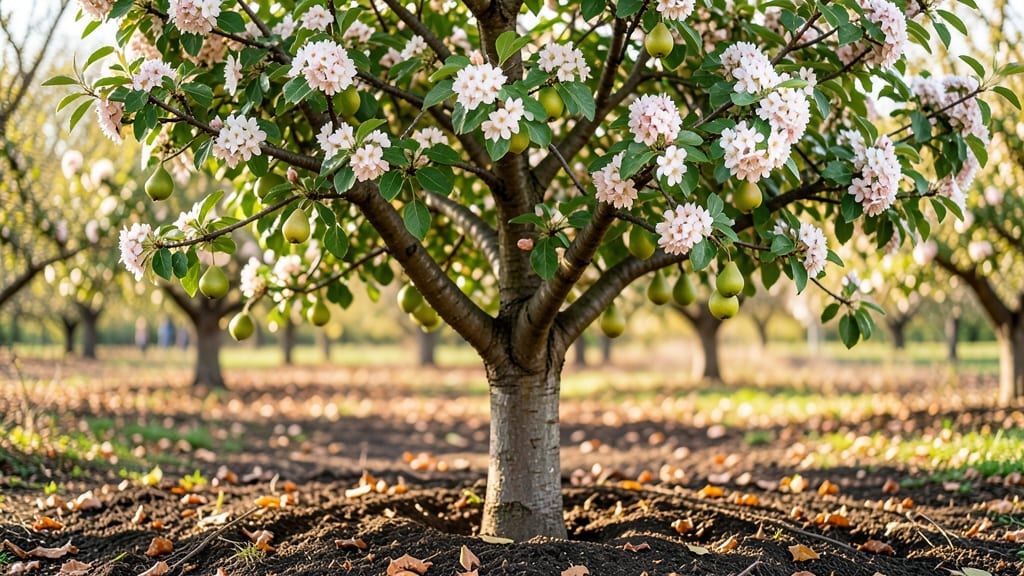
💥 Quick Answer Pear trees take 3 to 7 years to produce fruit after planting, with timing influenced by variety, rootstock, and climate conditions like required chill hours for dormancy and flowering. Understanding why…
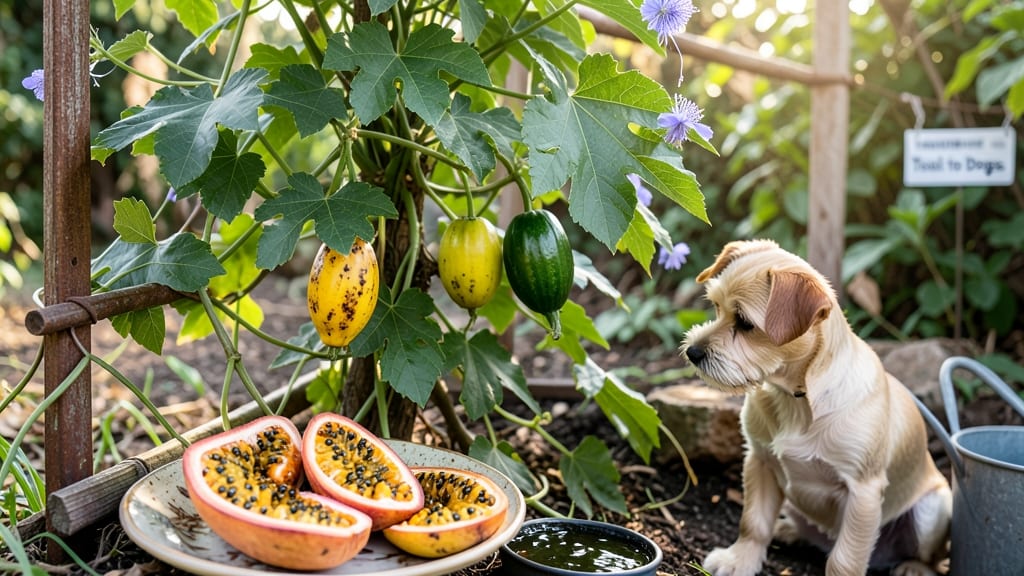
💥 Quick Answer Passion fruit is not safe for dogs due to its high acidity and potential toxicity from seeds and skin, which can cause vomiting, diarrhea, or pancreatitis. The pulp in small amounts may be less harmful…