
Propagation
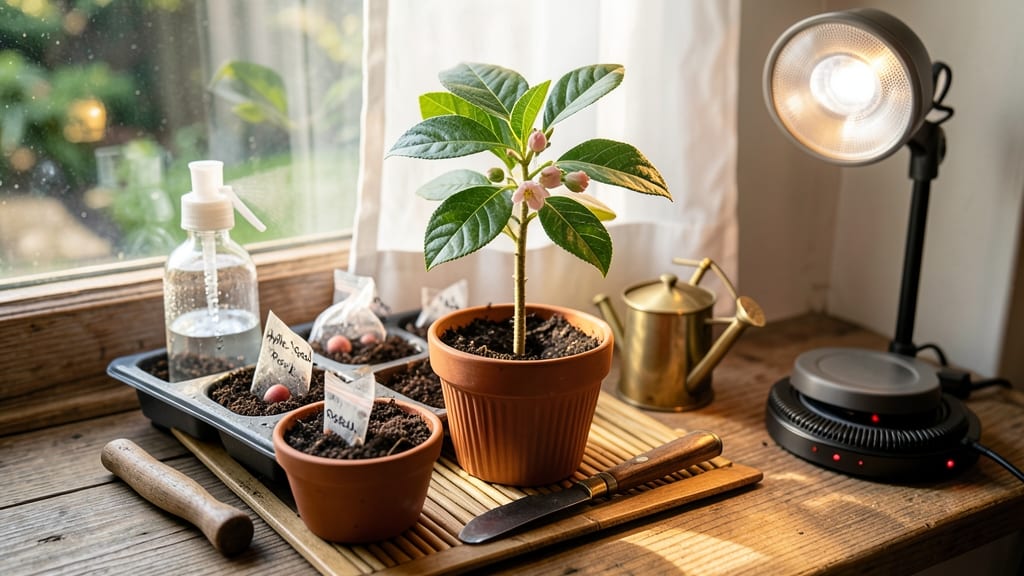
Growing fruit trees from seed is the ultimate long game—turning a tiny nut or pit into a towering tree that feeds you for decades. 🌱 I’ve watched my seed-grown peach tree go from a twig to a 10-foot beauty, and the wait? Totally worth it.
The secret isn’t rushing—it’s giving each stage the right conditions so nature does the heavy lifting. You’ll need patience (years, not seasons), the right seeds (not all fruit trees grow true from seed), and a few simple supplies: containers, potting mix, and a sunny spot.
Stone fruits like peaches and plums are easiest for beginners, while apples and citrus take more finesse. The first step? Stratifying seeds to mimic winter—some need cold, some need heat, and some just need time.
By year three, you’ll see real growth—thick stems, leafy branches—and by year five, the tree starts looking like its store-bought cousins. The payoff? A tree that’s uniquely yours, with roots (literally) in your hands. Just don’t expect fruit overnight—this is a marathon, not a sprint.
Works for backyards, containers, or even a sunny windowsill if you start small. Here’s how to set it up without the guesswork.
📚 In This Guide
- What you need
- Instructions
- Tips and common mistakes
- Wrapping up and next steps
What you need
- ● Ready to grow your own fruit tree from seed? Here’s everything you’ll need to get started—no fancy tools required, just the basics to nurture your future orchard! 🌱🍎
- ● Pro tip: 💡 Start with easy seeds like avocado or citrus if you’re a beginner—they’re forgiving and fast-growing!
Step-by-Step instructions for growing fruit trees from seed
Here’s how I turn seedling dreams into strong young trees—simple but not rushed.
🌱 Step 1: Harvest and Prepare the Seeds
Pick ripe fruit from healthy trees in late summer or early fall. The fresher the fruit, the better the germination rate. Cut the fruit open and scoop out the seeds, removing any pulp or flesh. Rinse the seeds gently under cool water to remove residue, then lay them on a paper towel to dry for 24 hours at room temperature.
I like to store cleaned seeds in a sealed container in the refrigerator for 2-3 months—this mimics winter dormancy and breaks seed dormancy naturally. If you’re impatient like me, soak the seeds in warm water for 24 hours before planting to speed up germination. Just don’t skip the cold treatment entirely—it’s what makes the difference between a fast sprout and a stubborn seed.
🌱 Step 2: Plant the Seeds in Moist Starting Mix
Fill small pots (3-4 inches deep) with a sterile seed-starting mix—not garden soil, which can introduce diseases. Moisten the mix until it’s damp but not soggy. Plant 2-3 seeds per pot about ½ inch deep, spacing them evenly. Cover lightly with more mix, then mist the surface with water until evenly damp.
Here’s the thing—don’t overcrowd the pot. You’ll thin seedlings later, but starting with too many seeds leads to weak, competitive roots. Place the pots in a warm, dark spot (70-75°F) until germination. A seedling heat mat helps if your home runs cooler. You’ll see sprouts in 2-6 weeks, depending on the fruit type.
☀️ Step 3: Move to Light and Care for Seedlings
Once sprouts emerge, move the pots to bright, indirect light immediately. A south-facing window works, but supplement with a grow light if natural light is weak. Keep the soil consistently moist—not soggy, not dry—by watering when the top inch feels dry to the touch. Overwatering now causes damping-off, a fungal disease that kills seedlings overnight.
Watch for first true leaves (the second set after the initial seed leaves). That’s your signal to fertilize lightly with a balanced, water-soluble fertilizer (like 10-10-10) diluted to half strength. Feed every 4-6 weeks to encourage strong root and stem growth. If seedlings get leggy (stretching toward light), they need more intensity—move the light closer or add a second bulb.
🪴 Step 4: Transplant to Larger Pots
When seedlings have 3-4 sets of true leaves and are 4-6 inches tall (usually 4-6 months after planting), it’s time to transplant. Choose 5-7 gallon pots with drainage holes. Fill with a mix of 50% potting soil and 50% compost for nutrients. Gently remove the seedling, tease the roots apart if they’re tangled, and plant at the same depth as before.
This is where patience pays off—don’t rush the transplant. Water deeply after planting to settle the soil, then keep the mix moist for 2 weeks. Place the pots in partial shade for a week to reduce stress, then gradually introduce them to full sun over 10-14 days. Young trees need time to adjust, so avoid moving them too soon.
⏰ Step 5: Harden Off and Plant Outdoors
Six months before your last frost date, start hardening off the seedlings. Place them outside in a sheltered spot for 1-2 hours the first day, then gradually increase exposure over 2 weeks. By the time you’re ready to plant, they should tolerate full sun and wind without wilting. Choose a permanent location with full sun (6+ hours daily) and well-draining soil.
Dig a hole twice as wide as the root ball but no deeper. Loosen the roots gently if they’re circling, then place the tree in the hole and backfill with soil. Water deeply to remove air pockets, then add a 2-3 inch layer of mulch (like wood chips) around the base—but keep mulch 3 inches away from the trunk to prevent rot. Stake the tree only if it’s top-heavy or in a windy area.
Tips & tricks for growing fruit trees from seed
Here's what nobody tells you—these little details make all the difference between a thriving tree and a sad seedling.
Seed Selection: Not all fruit seeds germinate easily. Apple, pear, and plum seeds often work best for beginners. Avoid citrus seeds—they're notoriously difficult to grow from seed. If you're starting with avocado pits, they're an exception that actually works well! The key is using seeds from fresh, organic fruit whenever possible, as conventional fruit may have been treated to prevent sprouting.
Germination Environment: That warm, dark spot in Step 2 is critical—think of it like a cozy nest. A seedling heat mat set to 75°F works wonders if your home runs cooler. I've seen germination rates double when using one. If you don't have a heat mat, place the pots on top of your refrigerator or near a warm vent. Just watch for condensation on the pot's sides—this is a good sign your seeds are happy and active.
Light Transition: When moving seedlings to light in Step 3, don't rush them! Start with bright indirect light for the first week, then gradually introduce direct sun. I've learned this the hard way—direct sun too soon causes seedlings to scorch. If you notice leaves turning yellow or curling, they're getting too much sun. A simple south-facing window with sheer curtains works perfectly for the first few weeks.
Transplant Timing: The 4-6 month mark for transplanting in Step 4 is ideal, but don't stress if your seedlings take longer. The real indicator is when they have 3-4 sets of true leaves and reach 4-6 inches tall. I've had some stubborn seedlings that took 8 months—patience really does pay off. When transplanting, use a small trowel to loosen the soil around the roots before gently removing them from their original pot. This prevents root damage and helps them establish faster.
Pro Tips for Growing Fruit Trees From Seed
- Here's what nobody tells you—these little details make all the difference between a thriving tree and a sad seedling.
- Seed Selection: Not all fruit seeds germinate easily.
- Germination Environment: That warm, dark spot in Step 2 is critical—think of it like a cozy nest.
Frequently asked questions
Got questions about growing fruit trees from seed? You’re not alone—this process can be tricky, but the payoff is worth it! Here are answers to the most common queries to help you succeed.
How long does it take for a fruit tree grown from seed to bear fruit?
Patience is key! Most fruit trees grown from seed take 5–10 years to bear fruit, depending on the species. Some, like stone fruits (peaches, cherries), may take longer, while citrus or avocado trees can fruit sooner. Grafting (a common alternative) speeds this up to 2–4 years.
Can I grow a fruit tree from seed if I don’t have a greenhouse?
Start seeds indoors in pots with a heat mat (to mimic tropical conditions) or use a sunny windowsill. Once seedlings sprout, transplant them outdoors after the last frost. Just ensure they get full sun (6+ hours/day) and well-draining soil.
Will my seed-grown tree produce the same fruit as the parent?
Not always! Seedlings often don’t replicate the parent’s fruit quality—size, flavor, or even color may vary. For consistent results, grafting is the best method. If you love the fruit, save seeds from it and cross your fingers!
Why are my seedling leaves turning yellow or falling off?
Yellow leaves (chlorosis) usually mean overwatering, poor drainage, or nutrient deficiency. Check soil moisture—let the top inch dry between waterings. If leaves drop, it could be transplant shock or pests (like aphids). Use a balanced fertilizer and inspect undersides of leaves.
Can I grow fruit trees from seed in containers?
Yes! Many dwarf varieties (like Citrus or Apple ‘Columnar’) thrive in containers. Use a 5-gallon+ pot with drainage holes, well-draining soil, and repot every 2–3 years. Place containers in full sun and water deeply when the topsoil dries.
Wrapping up and next steps
Growing fruit trees from seed is a rewarding journey that blends patience with possibility—and you’ve taken the first steps toward a thriving orchard!
While it may take years for your seedlings to bear fruit, every tiny sprout is a testament to your green thumb. Now’s the time to celebrate progress and plan ahead!
🌱 Your Next Step:
- Label and track your seedlings to monitor growth.
- Research grafting (if you want faster fruit-bearing results).
- Share your story—inspire others to grow from seed too!
Keep nurturing those roots—your future harvest is worth every wait! 🍏🌿