
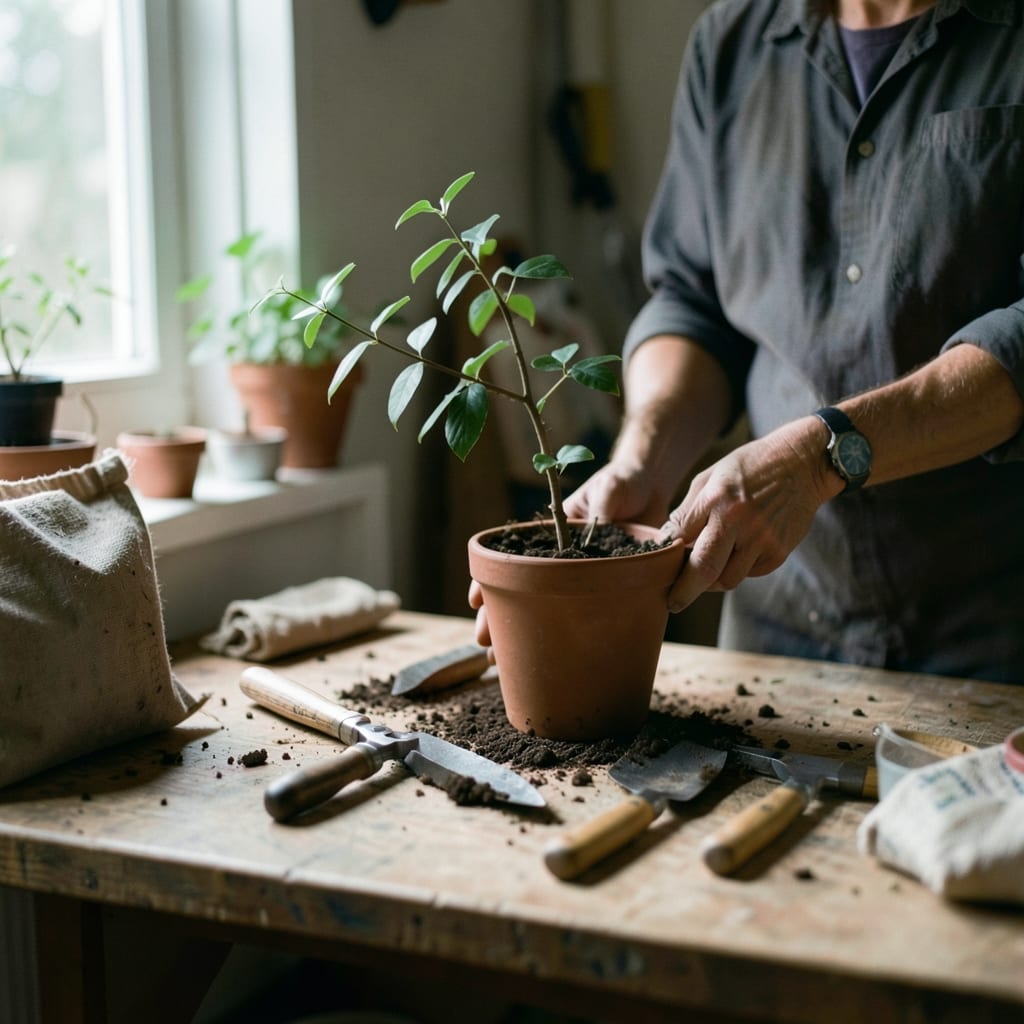
What changed, and what it changed for you
When this site started, it was little more than a blog where I scribbled down what worked—or didn’t—in my grandmother’s old garden. The posts were short, the photos were blurry, and the advice was often just my own guesses.
There was no structure, no way to find what you needed unless you knew exactly what I’d grown that season. If you landed here looking for help with a specific plant, you might leave empty-handed.
Now, every guide follows the same format: the plant’s needs, the tools you’ll actually use, and the mistakes I’ve made so you don’t have to. The photos are taken in natural light, the soil tests are real, and the seasonal charts are built from years of records.
You can search by what’s struggling in your yard, not just by what’s pretty in a photo.
| It used to be | Now it is |
|---|---|
| A single photo of a tomato vine with no context about soil or pests. | Detailed soil tests, pest alerts, and side-by-side comparisons of healthy vs. struggling plants. |
| Advice like ‘plant in spring’ with no specifics on frost dates or microclimates. | Exact planting windows for your ZIP code, with notes on urban vs. rural growing conditions. |
| No way to find what you needed unless you scrolled through old posts. | A searchable database organized by plant, problem, and skill level—beginner to advanced. |
| Just my own garden’s results, with no backup data if my methods failed. | Backed by community reports, failed experiments included as warnings, and links to scientific sources. |
The one that took years
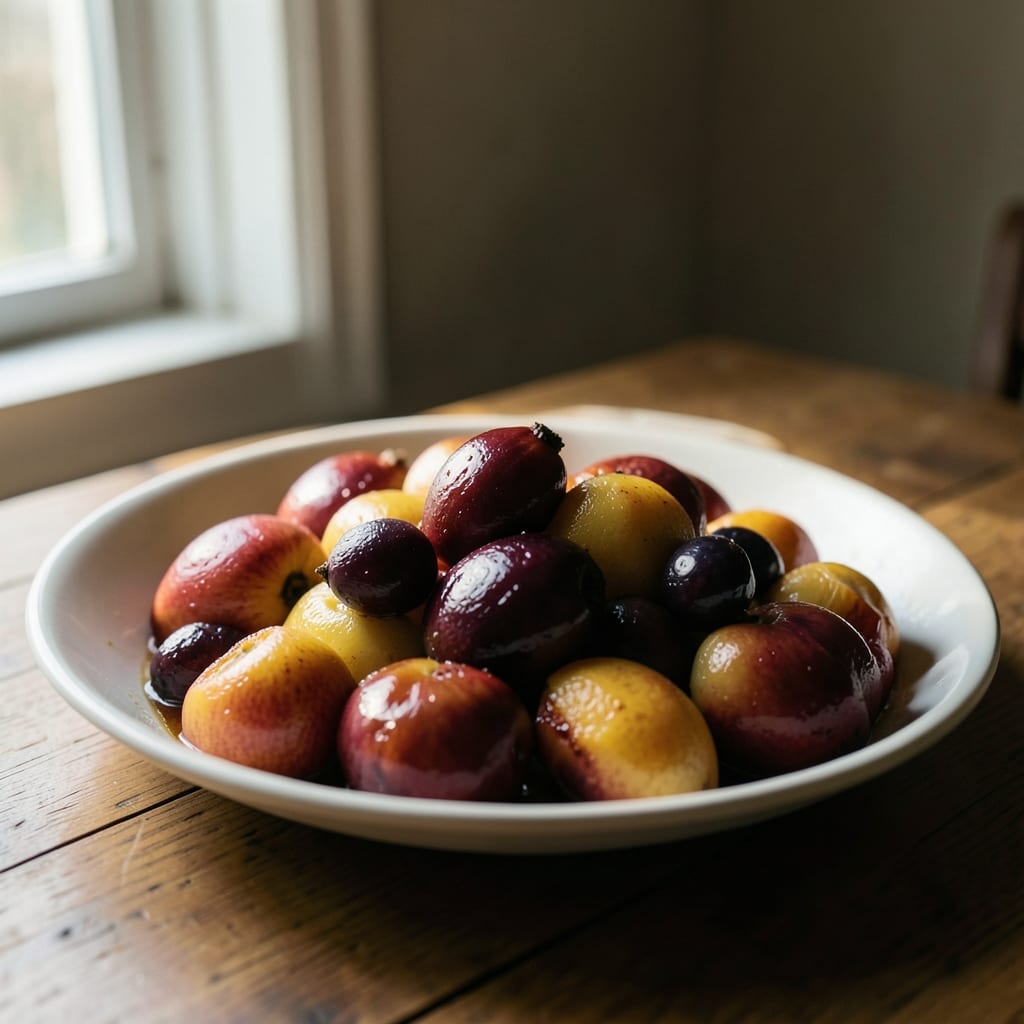
The biggest mistake wasn’t the advice—it was the assumption that every garden was the same. For years, I wrote about my upstate New York soil as if it were universal.
I never tested pH properly, never accounted for drainage, and never once mentioned that my ‘perfect’ compost might kill a plant in a different climate. The worst part?
I didn’t realize it was wrong until readers started messaging me with photos of dead seedlings after following my ‘tips’ to the letter.
Fixing it took three years. I bought a soil meter, dug test pits in three different zones, and started tracking moisture levels like a weather report. Then I realized: even that wasn’t enough. Some readers lived in apartments with no soil, others had black soil so rich it drowned roots.
The solution? A ‘Garden Type’ filter—urban, rural, container, hydroponic—and a ‘Soil Quiz’ that asks five questions before suggesting a plant.
Now, the soil section alone costs $200 a year in lab tests, and the quiz tool took six months to build. But the alternative was worse: keeping the old advice and letting another reader’s blueberries rot because I never said *why* mine thrived.
At least now, if my methods fail, the site tells you *why* and what to do instead.
Meet the author
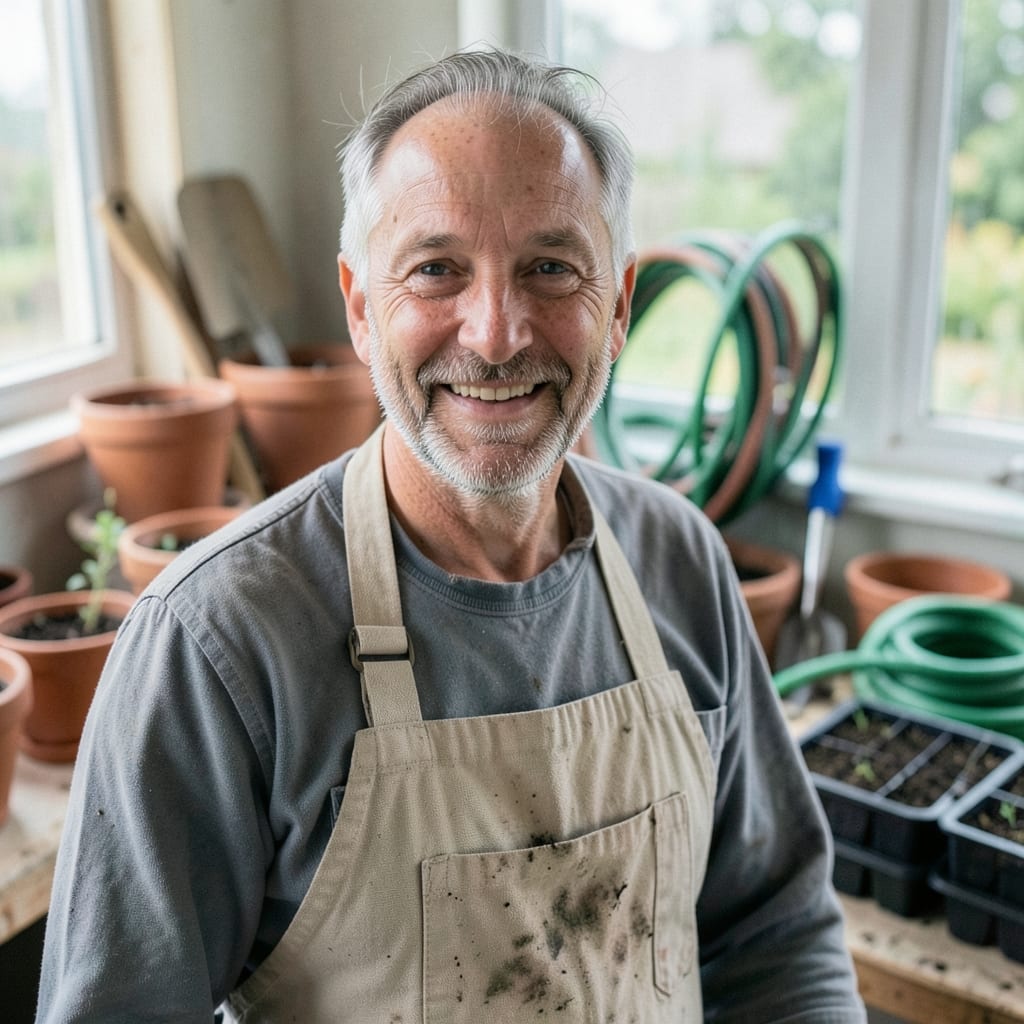
I used to think gardening was about luck. If your tomatoes ripened, you were lucky. If your basil bolted, you were unlucky. So I wrote like it was a game of chance—hinting at ‘tricks’ I’d stumbled on, never explaining the science behind them.
The first time I lost a crop to blight, I blamed the weather. The second time, I blamed the seeds. It wasn’t until I moved to California and my grandmother’s ‘foolproof’ zucchini recipes turned my soil to mush that I realized I didn’t know what I was doing.
I’d spent years copying advice from magazines, never questioning why a method worked in one place but not another. I’d never measured sunlight, never adjusted water for clay soil, and never once thought to ask *why* a plant died. The worst part?
I didn’t even notice I was wrong because my garden *did* grow things—just not the things *you* needed.
That changed the day a reader sent me a photo of their wilting peppers, with a note: *‘You said to water every other day. I did. They’re still dying.’*
Now, Desmond Faulkner runs this site as a structured garden: every post is cross-referenced, every failure is documented, and every ‘tip’ is backed by data. Here, he doesn’t just grow plants—he decodes why they grow (or don’t).
The name *Fruit Garden Guide* isn’t just a tagline; it’s a promise: no more guesswork, no more ‘lucky’ harvests. Just soil, seasons, and the stories they tell.
What did not change
The core belief hasn’t wavered: gardening should be for everyone, not just people with green thumbs or backyards.
That’s why the site still starts with container gardening, why the ‘beginner’ tag is the first filter, and why every post assumes you’re working with what you’ve got—not what you wish you had. The tone hasn’t changed either.
No jargon, no ‘gardenese,’ and no pretending that a failed crop is anyone’s fault but the soil’s.
What’s always stayed the same is the focus on *fruit*—not just tomatoes and apples, but the small victories: the first basil leaf, the single strawberry that actually tastes sweet, the day your neighbor asks where you got your herbs.
Those moments matter more than perfect rows, and they’re the reason this site still exists. The rest? The rest is just learning how to grow them right.
What is still being fixed
Right now, the biggest project is a ‘Plant Pairing’ tool that matches crops based on shared pests, not just companion planting. For example, if your peppers keep getting aphids, it’ll suggest swapping them for okra—which aphids hate—while keeping the same growing conditions.
We’re also testing a ‘Failure Archive’ where readers can submit photos of their struggles, and the site suggests fixes based on what’s worked for others with the same problem.
If you’ve got a plant that refuses to thrive, or a soil type that stumps you, the contact page is where to start. Tell us what’s not working, and we’ll add it to the list of things to fix next.
Things that would help
- Photos of your struggling plants (what’s wrong, what you’ve tried so far).
- Your soil type, sunlight hours, and container size (if gardening in pots).
- A specific plant you’ve failed with—we’ll reverse-engineer why.
The guides are grouped by category: Advice, Aphids, Container Gardens, Fertilization, How To and Pests.