
Pruning
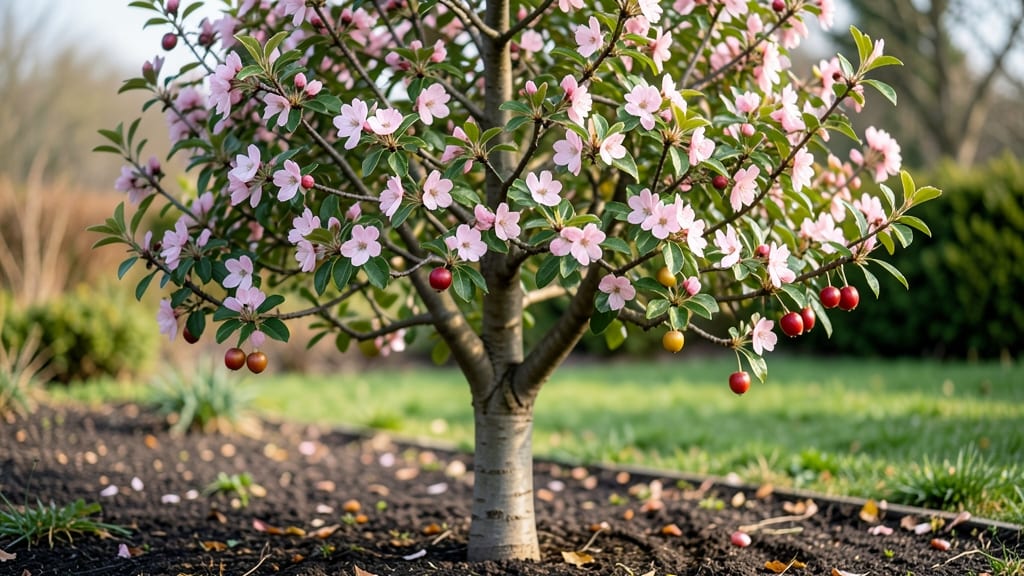
Planting a non-fruit crabapple tree means year-round beauty without the messy harvest—and I’ve learned the exact tricks to keep these trees thriving. 🌿 Their showstopping spring blooms, glossy foliage, and fiery fall colors make them the star of any landscape, but only if you plant them right.
The secret starts with well-draining soil and full sun—6+ hours daily—so roots stay strong and flowers explode in spring. I’ve seen these trees struggle in heavy clay, so amend with compost if your soil feels dense.
Choose a spot where you’ll admire them year-round, because their value isn’t just seasonal. Once established, they’re low-maintenance, but pruning in late winter keeps their shape tidy and encourages fresh growth. The right cuts also prevent disease by improving airflow.
With proper care, they’ll reward you with vibrant colors from bloom to frost, making every season worth the wait. Perfect for small yards, urban landscapes, or as a focal point near patios. Here’s how to get started—no fruit mess, just pure ornamental magic.
📚 In This Guide
- What you need
- Instructions
- Tips and common mistakes
- Wrapping up and next steps
What you need
- ● Pruning shears: Bypass pruners (sharp, 7-9" blade) for small branches (up to ½ inch thick). Quantity: 1 pair.
- ● Loppers: For medium branches (½ to 1½ inches thick). Quantity: 1 pair.
- ● Pruning saw: For thick branches (1½+ inches). Quantity: 1.
- ● Gloves: Heavy-duty, cut-resistant gloves to protect hands from thorns and debris. Quantity: 1 pair.
- ● Disinfectant: 70% isopropyl alcohol or a 10% bleach solution to sterilize tools between cuts. Quantity: Small bottle or spray.
- ○ Pruning sealant: Optional but helpful for sealing larger wounds (½ inch or wider). Quantity: Small tube.
- ● Ladder or step stool: For reaching higher branches safely. Height: 6+ feet, stable base.
- ● Heavy-duty trash bags: For collecting pruned branches and debris. Quantity: 2-3 bags.
- ● Safety gear: Safety glasses and long sleeves/pants to protect from branches and thorns.
- ● Extension pole pruners: For hard-to-reach branches without a ladder.
- ● Tree wound dressing: Alternative to sealant for larger cuts (follow product instructions).
- ● Marking spray or tape: To tag branches for removal or shaping.
- ● Knee pads: For comfort if you’ll be working on the ground.
- ● Notebook & pen: To jot down notes on pruning decisions or tree health observations.
Step-by-step instructions for planting and caring for non-fruit crabapple trees
Here's how to establish a stunning, low-maintenance crabapple tree that thrives year-round without the fruit cleanup.
🪴 Step 1: Choose the Perfect Planting Site and Prepare the Soil
Select a location with at least 6 hours of direct sunlight daily—crabapples need full sun to develop their signature vibrant blooms and glossy foliage. Avoid low spots where water pools, as these trees hate soggy roots. I always test the soil pH first (aim for 6.0-7.0); if yours is too acidic, mix in 2-3 pounds of lime per square foot before planting.
Dig a hole twice as wide as the root ball but only as deep—the top of the root ball should sit 1-2 inches above ground level when finished. This prevents root rot from poor drainage. Loosen the sides of the hole with a shovel to encourage root spread into surrounding soil. Real talk: Skipping this step leads to stunted growth as roots struggle to establish.
🌱 Step 2: Plant the Tree with Proper Support and Mulching
Gently remove the tree from its container and loosen any circling roots with your fingers—this prevents girdling as the tree matures. Place it in the hole so the root flare (where roots meet trunk) is visible above soil level. Backfill with native soil, tamping lightly every 6 inches to remove air pockets without compacting roots.
Stake only if your tree is over 6 feet tall—younger specimens usually don't need support. If staking, use two stakes positioned 18 inches apart at the tree's drip line, tied loosely with 1-inch wide fabric strips (never wire, which can cut into bark). Apply 3-4 inches of mulch (wood chips or bark) in a 3-foot diameter ring, keeping it 6 inches away from the trunk to prevent rot.
☀️ Step 3: Water Deeply and Establish a Consistent Care Routine
Water immediately after planting with 10-15 gallons—enough to settle the soil completely. Then, water twice weekly for the first month, providing 5 gallons per watering until new growth appears. You'll know you're doing it right when the soil feels damp 6 inches down but not waterlogged. Overwatering here is a common mistake that leads to root suffocation.
After the first month, reduce to once weekly during dry spells, always checking soil moisture before watering. Crabapples develop deep roots once established, so deep watering (soaking the root zone) is more effective than frequent shallow drinks. Fertilize only in spring with a balanced 10-10-10 formula—these trees thrive in average soil and don't need heavy feeding.
✂️ Step 4: Prune for Shape and Health During Dormant Seasons
Prune late winter or early spring (just before buds swell) to remove dead, crossing, or diseased branches. Make cuts just outside the branch collar (the swollen area where branch meets trunk) at a 45-degree angle to prevent water pooling. Never remove more than 25% of the canopy in one year—this stresses the tree and reduces flowering.
Shape the tree by opening the center to improve airflow, which prevents fungal diseases. I always step back after pruning to visualize the tree's silhouette—aim for an open vase shape that lets sunlight reach all branches. This isn't just about looks; proper pruning ensures vibrant blooms and healthy foliage for years to come.
⏰ Step 5: Protect and Maintain Through All Seasons
In fall, apply a 2-inch layer of mulch to insulate roots from freezing temperatures. Wrap the trunk with tree guard (not plastic wrap) if your winters drop below 10°F to prevent sunscald. Crabapples are generally cold-hardy, but young bark is vulnerable to winter damage. Watch for bark splitting in extreme cold—this is your cue to add extra protection next year.
Monitor for apple scab or fire blight (common fungal diseases) by inspecting leaves and stems in spring. Treat immediately with copper fungicide if you spot dark spots or oozing cankers. These trees are disease-resistant but not immune—prevention saves hours of cleanup later. With proper care, your crabapple will reward you with stunning spring blooms, glossy summer foliage, and brilliant fall color—all without the fruit mess.
Tips & tricks for perfect non-fruit crabapple tree planting
Here's what I learned after planting several crabapples—these details make all the difference for long-term success.
Soil Preparation Secret: The 6 hours of sunlight is non-negotiable, but soil preparation often gets overlooked. Beyond the pH adjustment, I recommend adding 1-2 inches of compost to the bottom of the planting hole before placing the root ball. This creates a nutrient-rich zone that encourages root growth immediately. Also, if your soil is particularly dense clay, mix in 10-20% coarse sand to improve drainage—crabapples hate soggy feet.
Root Ball Handling: When removing the tree from its container, I've found that gently squeezing the sides helps loosen the root ball without damaging roots. For container-grown trees, soak the root ball in water for 10-15 minutes before planting to rehydrate any dried edges. This simple step can double your transplant success rate by preventing shock. The root flare visibility check is crucial—if it's buried, the tree will struggle to establish properly.
Watering Wisdom: The initial 10-15 gallons should be spread evenly around the hole's perimeter, not poured directly into the hole. This encourages roots to spread outward rather than stay compacted. For the first month's watering, I use a soaker hose placed at the tree's drip line—this delivers water directly to the root zone where it's needed most. The damp 6-inch soil check is your best indicator; if it's dry at that depth, water again.
Seasonal Protection: That 10°F threshold for tree guard is critical, but I've learned to be proactive even before temperatures drop. In late fall, I wrap the trunk with tree wrap (not plastic) and add an extra 1-inch layer of mulch around the base. This double protection prevents winter damage that can take years to recover from. Also, avoid piling mulch against the trunk—keep it in that 3-foot diameter ring at least 6 inches away to prevent rot.
Pro Tips for Non Fruit Crabapple Tree
- Here's what I learned after planting several crabapples—these details make all the difference for long-term success.
- Soil Preparation Secret: The 6 hours of sunlight is non-negotiable, but soil preparation often gets overlooked.
- Root Ball Handling: When removing the tree from its container, I've found that gently squeezing the sides helps loosen the root ball without damaging roots.
Frequently asked questions
Got questions about growing a non-fruit crabapple tree?
You’re not alone! Here are some of the most common concerns—plus straightforward answers to help you cultivate a stunning, low-maintenance tree.
Why should I choose a non-fruit crabapple over a regular apple tree?
A non-fruit crabapple tree is perfect if you love the look of apples but hate the mess! These trees produce tiny, inedible fruits (or none at all), so no pests, no dropped fruit, and no cleanup. Their vibrant flowers and glossy foliage add year-round curb appeal without the hassle.
How fast do non-fruit crabapple trees grow?
Most non-fruit crabapple varieties grow at a moderate pace—about 12–24 inches per year. Dwarf varieties may grow slower (6–12 inches/year), while standard types can reach 20–30 feet tall in 10–15 years. Patience pays off for a tree that lasts decades!
Do non-fruit crabapple trees need special pruning?
Yes! Prune in late winter or early spring to shape the tree and remove dead/diseased branches. Focus on opening the canopy for airflow (to prevent fungal issues) and thinning out crowded branches. Avoid heavy pruning in fall—it invites pests and diseases.
Are non-fruit crabapple trees prone to pests or diseases?
While generally hardy, they can attract aphids, spider mites, or apple scab. To prevent issues:
- Choose disease-resistant varieties (e.g., ‘Adirondack,’ ‘Dolgo’).
- Water at the base (not leaves) to reduce fungal risks.
- Apply neem oil if pests appear.
Can I grow a non-fruit crabapple in a small yard or container?
Dwarf varieties (like ‘Sentinel’ or ‘Centennial’) thrive in containers or tight spaces. Just ensure the pot is at least 18 inches wide with drainage holes. For in-ground planting, leave 6–10 feet of space between trees to avoid root competition.
Wrapping up and next steps
Growing a non-fruit crabapple tree is a fantastic way to enjoy year-round beauty—from delicate spring blooms to vibrant fall foliage—without the hassle of messy fruit cleanup. Whether you’re drawn to its ornamental appeal or low-maintenance charm, this tree is a standout addition to any landscape.
Now that you’re armed with the right knowledge, why not take the next step? Pick your favorite variety, gather your tools, and give your garden a stunning, fuss-free upgrade! 🌳✨
- Start small: Plant a sapling or young tree to ease into care routines.
- Plan ahead: Mark your calendar for seasonal pruning and maintenance.
- Share the joy: Invite neighbors to admire your tree—it’s a conversation starter!