
Pruning
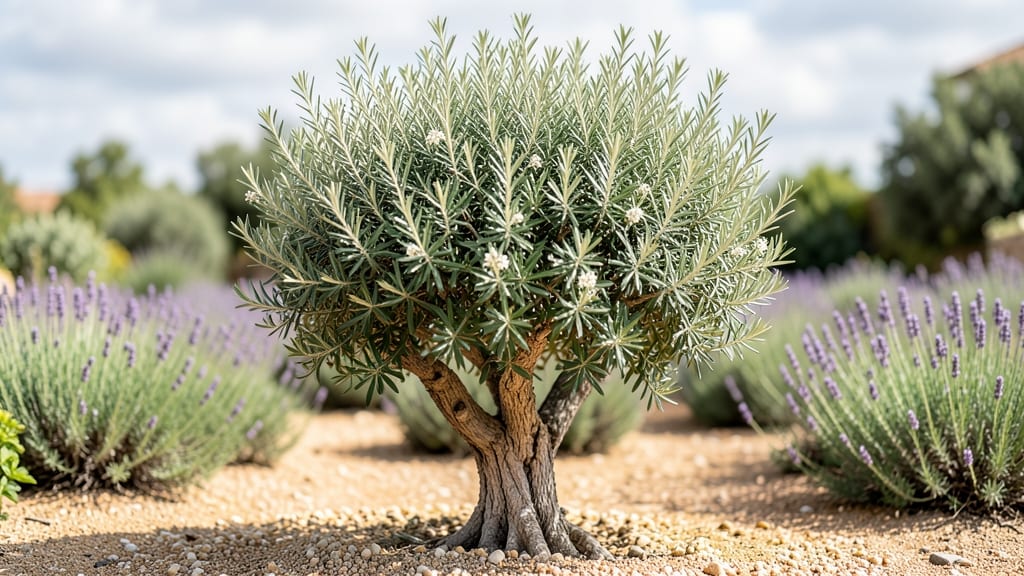
Transforming your yard into a Mediterranean oasis starts with this Wilsonii fruitless olive tree—the only olive tree that stays sterile yet produces stunning silver-green foliage year-round. 🌿 I planted mine three years ago, and it’s now the centerpiece of my patio, offering shade, texture, and zero messy fruit cleanup.
The secret to its success? Pruning twice a year—once in late winter to shape it and again in summer to encourage dense growth. Unlike fruiting olives, this cultivar thrives on regular trims, staying compact and full without the hassle.
Even in Zone 7, mine handles winters with ease, though young trees need a little winter protection. You’ll love how it pairs with lavender, rosemary, and other drought-tolerant plants, creating a low-maintenance, high-impact landscape. The silvery leaves catch the light beautifully, and the wood adds warmth to any space.
Container growing works too—just use a 15-gallon pot with good drainage and prune more aggressively to keep it manageable. Here’s how to keep yours thriving all season long.
📚 In This Guide
- What you need
- Instructions
- Tips and common mistakes
- Wrapping up and next steps
What you need
- ● Pruning shears – Bypass pruners (sharp, 6-8 inch blades) for clean cuts on small branches.
- ● Loppers – Long-handled (24-30 inch) for thicker branches (½–1½ inch diameter).
- ● Pruning saw – Curved-tooth or folding saw for stubborn, large branches (1½+ inches).
- ● Gloves – Heavy-duty, cut-resistant (e.g., mechanics’ or pruning gloves) to protect hands from thorns and sap.
- ● Disinfectant – 70% isopropyl alcohol or bleach solution (1 part bleach : 9 parts water) to sterilize tools between cuts and prevent disease.
- ○ Sealing wax or pruning paste – Optional but helpful for large cuts (1–2 inches) to prevent sap bleeding and pests.
- ● Ladder or step stool – Sturdy, extendable (8–12 feet tall) for high branches—safety first!
- ● Trash bags or bucket – For collecting pruned debris (10–20 gallons, depending on tree size).
- ● Pole pruner – For high, hard-to-reach branches (extendable up to 10–12 feet).
- ● Hand saw with extra blades – For emergency cuts if your pruning saw dulls mid-task.
- ● Tree wound dressing – Natural options like beeswax or commercial sealants for large wounds.
- ● Pruning guide or ruler – Helps measure branch collars for precise cuts (1/8-inch tape measure works too!).
- ● Safety goggles – Protects eyes from sap splatters or debris during heavy pruning.
Step-by-Step instructions for cultivating a thriving Wilsonii fruitless olive tree
Here's how I transform bare-root Wilsonii olives into lush, ornamental specimens that reward you with silvery foliage and sturdy form.
🪴 Step 1: Plant in Well-Draining Soil with Proper Spacing
Choose a location with full sun exposure—at least 6-8 hours daily—and soil that drains rapidly. Wilsonii olives despise soggy roots, so amend heavy clay with 25% coarse sand or perlite to prevent root rot. Dig a hole twice as wide as the root ball but only as deep as the container it came in.
Position the tree so the top of the root ball sits 1-2 inches above soil grade. This prevents water from pooling around the trunk. Backfill with native soil mixed with compost, tamping gently as you go to eliminate air pockets. Water deeply immediately after planting to settle the soil and encourage root contact.
✂️ Step 2: Perform Initial Pruning to Establish Structure
Prune in late winter or early spring before new growth begins. Remove any crossing branches that rub together and any inward-growing limbs that compete for space. Cut back the tallest central leader by one-third to encourage lateral branching—this creates that classic olive tree silhouette.
Use clean, sharp pruners to make cuts just above an outward-facing bud. Avoid leaving stubs, which invite disease. Here's the thing—Wilsonii olives respond beautifully to pruning, so don't be shy about shaping it. You'll see new growth emerge within 4-6 weeks that fills in any gaps.
☀️ Step 3: Maintain Year-Round Care Through Seasonal Adjustments
Water deeply once weekly during the first growing season to establish roots, then taper to every 2-3 weeks once established. The tree's silvery leaves are drought-tolerant once mature, but young specimens need consistent moisture. You'll know it's thirsty when new leaves begin curling at the edges.
Fertilize in early spring with balanced 10-10-10 fertilizer applied at half-strength. Avoid high-nitrogen formulas—they promote leafy growth at the expense of structural strength. Mulch with 2-3 inches of wood chips around the base, keeping it 6 inches away from the trunk to prevent rot.
🌿 Step 4: Prune for Shape and Health Throughout the Year
Lightly prune in summer to remove any suckers that emerge from the base or trunk. These compete with the main canopy for nutrients. Also, trim back any leggy growth that stretches toward the sun—cut just above the next set of leaves to encourage bushier growth.
In late fall, perform a final pruning to remove any dead, diseased, or weak branches. The tree's natural growth slows in cooler months, making it easier to see structural issues. Real talk: I learned the hard way that skipping fall pruning leads to winter dieback—don't let branches become too dense or crowded.
⏰ Step 5: Protect During Winter and Prepare for Next Season
Young Wilsonii olives benefit from light winter protection in colder climates. Wrap the trunk with tree wrap to prevent sunscald, and mound 6-8 inches of mulch around the base for insulation. Mature trees handle winter well but may need occasional pruning to remove any frost-damaged tips in early spring.
Before new growth begins, inspect the tree for any signs of pests like scale or spider mites. Wilsonii olives are generally pest-resistant, but stress from poor pruning or overwatering invites trouble. Here's where it gets fun—watch the new spring growth emerge with vibrant, silvery leaves that will dominate your landscape year after year.
Tips & tricks for cultivating a thriving Wilsonii olive tree
These essential insights will help you transform your bare-root Wilsonii into a showstopping landscape feature with minimal stress.
Site Selection Matters: Pay close attention to that 6-8 hours of full sun requirement from Step 1. Even partial shade can lead to sparse foliage and weak growth. I always scout the location at different times of day—morning sun is great, but afternoon shade from nearby structures can sneak up on you. Consider your tree's mature size when positioning; Wilsonii olives can reach 20-30 feet tall, so give it room to spread its canopy without competing with other plants.
Soil Preparation Secret: The 25% sand or perlite amendment in Step 1 isn't just about drainage—it's about creating an oxygen-rich environment for roots. I've seen Wilsonii olives struggle in compacted soil even when watered properly. Test your soil's drainage by filling a can with water near the planting site—if it drains in less than 2 hours, you're good; if it takes longer, add more sand. For heavy clay soils, consider building a raised bed instead.
Pruning Timing is Critical: That 4-6 week window for new growth after initial pruning (Step 2) gives you a clear benchmark. Mark your calendar now—late winter/early spring pruning (before buds swell) is ideal, but if you miss that window, you can prune again in summer when growth is active. Just avoid pruning in fall when the tree is preparing for dormancy. I learned this the hard way when I pruned too late one season and noticed stunted growth the following spring.
Watering Wisdom: The transition from weekly watering to every 2-3 weeks (Step 3) happens when you see those silvery leaves holding their shape without curling. This is your tree's way of telling you it's established. In hot climates, you might need to water more frequently during the first growing season—watch for leaves that feel crispy to the touch, which indicates underwatering. Overwatering is just as dangerous, so always check soil moisture by sticking your finger 2 inches deep before watering.
Pro Tips for Wilsonii Fruitless Olive Tree
- These essential insights will help you transform your bare-root Wilsonii into a showstopping landscape feature with m...
- Site Selection Matters: Pay close attention to that 6-8 hours of full sun requirement from Step 1. Even partial shade...
- Soil Preparation Secret: The 25% sand or perlite amendment in Step 1 isn't just about drainage—it's about creating an...
Frequently asked questions
What’s the best time of year to prune my Wilsonii Fruitless Olive Tree?
Prune your Wilsonii tree in late winter or early spring (before new growth starts) for optimal results. This timing encourages healthy regrowth and maintains its compact, ornamental shape. Avoid heavy pruning in fall—it can stress the tree before winter dormancy.
How much can I trim back my tree without harming it?
You can safely remove up to 25-30% of the tree’s foliage per year. For dramatic shaping, spread pruning over 2-3 years. Focus on thinning out dense branches (not just cutting back) to improve airflow and sunlight penetration. Over-pruning in one go may weaken the tree.
Why aren’t my Wilsonii branches growing back after pruning?
If branches refuse to regrow, check for over-pruning, disease, or root issues. Olive trees are resilient but need well-draining soil and full sun. Apply a balanced fertilizer in early spring, and ensure the tree isn’t waterlogged. If dead branches persist, inspect for verticillium wilt or fungal infections.
Can I grow a Wilsonii Fruitless Olive Tree in a container?
Yes! This variety thrives in large containers (15+ gallons) with fast-draining potting mix. Use a pot with drainage holes and repot every 2-3 years. Place it in full sun and water deeply when the top 2 inches of soil dry out. Just be prepared for slower growth compared to in-ground trees.
What’s the difference between Wilsonii and other fruitless olive varieties?
The Wilsonii stands out for its compact, rounded shape and silvery-green foliage, making it ideal for small gardens or urban landscapes. Unlike some fruitless olives (which may still produce tiny, bitter fruits), Wilsonii is 100% sterile, ensuring no messy harvests—just lush, low-maintenance beauty.
Wrapping up and next steps
The Wilsonii Fruitless Olive Tree is a stunning, low-maintenance addition to any garden, offering year-round beauty with minimal effort. By mastering pruning techniques—like shaping, thinning, and seasonal trimming—you’ll encourage lush growth, abundant foliage, and even fruitless branches (perfect for ornamental use!). 🌿✂️
Ready to transform your outdoor space? Start small—grab your tools and give your tree a confident trim this season. With patience and care, your Wilsonii will thrive, becoming the showstopper of your landscape!