
Propagation
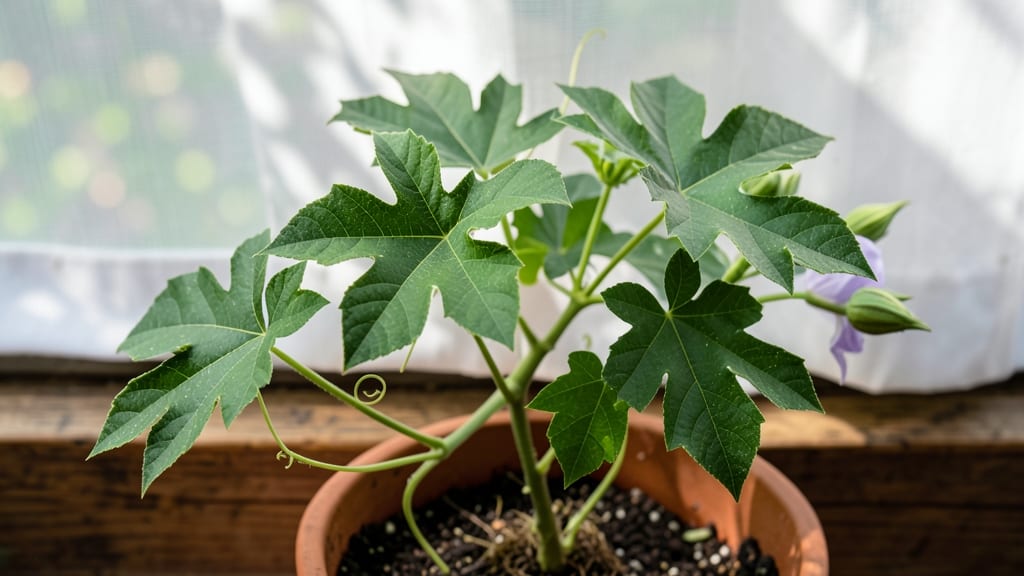
Fast root growth starts with those first young passion fruit leaves—🌱 the secret weapon for multiplying your vines. I’ve propagated dozens of cuttings, and the difference between slow, leggy growth and bold, fast roots comes down to timing, light, and a few simple tricks most gardeners miss.
Those tiny new leaves are your signal: they mean the cutting’s ready to root. Keep them in bright, indirect light, mist them daily, and watch roots appear in just 2-3 weeks—not the months you’d expect. The key is patience with the right conditions, not forcing it.
You’ll know you’re doing it right when the leaves stay firm and bright green, not yellow or wilted. Common mistakes? Overwatering (roots need air) or using too much hormone powder (sometimes less is more). With the right setup, your first harvests will come a full season sooner than buying plants.
📚 In This Guide
- What you need
- Instructions
- Tips and common mistakes
- Wrapping up and next steps
What you need
- ● Young passion fruit leaves: 3–5 healthy, mature leaves (preferably with a small stem attached) from a passion fruit plant. Pro tip: Choose leaves that are bright green and free of pests or yellowing!
- ○ Rooting hormone (optional but recommended): A small bottle (e.g., Rootone or Clonex) to boost root development.
- ● Small pots or containers: 3–4 3–4 inch diameter pots with drainage holes (or a single tray divided into sections). Use: Plastic nursery pots, yogurt cups with holes, or seedling trays.
- ● Well-draining potting mix: A 50/50 blend of: Cactus/succulent mix (for aeration)
- ● Perlite or vermiculite (to prevent waterlogging)
- ● Spray bottle: For gentle hydration (avoid soaking the leaves!).
- ● Clear plastic bag or humidity dome: To create a mini greenhouse (e.g., a ziplock bag with holes or a plastic wrap secured with a rubber band).
- ● Water: Room-temperature, chlorine-free water (let tap water sit out for 24 hours if needed).
- ● Labeling tags: Small sticks or markers to label your pots (e.g., "Passion Fruit Leaf #1").
- ● Grow lights: LED or fluorescent lights (12–16 hours/day) if natural light is less than 6 hours/day.
- ● Fertilizer: A diluted seaweed extract or liquid fertilizer (e.g., Fish Emulsion 5-5-5) for post-rooting growth.
- ● Heating mat: A seedling heat mat (70–75°F) to speed up rooting in cooler climates.
- ● Tweezers: For delicate handling of small stems or leaves.
Step-by-step instructions for propagating passion fruit from young leaves
Here's how to coax roots from passion fruit cuttings in just weeks—not months.
🌱 Step 1: Select and Prepare Healthy Leaf Cuttings
Choose mature but flexible stems with 3-4 leaves attached, cutting just below a leaf node with clean, sharp scissors. The stem should snap cleanly rather than tear—this ensures you're getting a clean cut that won't rot. I always pick stems from the current season's growth because they're more vigorous than older wood.
Strip the lower leaves completely, leaving only the top 1-2 leaves on each cutting. This prevents rot at the base while allowing the top leaves to photosynthesize. Dip the cut end in rooting hormone (optional but speeds things up) and let it sit for 10-15 seconds—this gives the hormone time to adhere before planting.
💧 Step 2: Plant in Moist, Airy Medium
Fill a 4-inch pot with a mix of 50% perlite and 50% peat moss—this combo drains fast but holds enough moisture for root development. Wet the mix until it's damp but not soggy (squeeze a handful; water should drip out slowly). Stick the cutting 1-2 inches deep, firming the medium gently around the stem to eliminate air pockets.
Cover the pot with a clear plastic bag secured loosely with a rubber band. This creates a humidity dome that mimics tropical conditions. Place the cutting in bright, indirect light—direct sun will scorch the leaves before roots form. Check daily for condensation on the bag; if it's dry, mist the inside lightly with water.
☀️ Step 3: Monitor for Root Development
After 2-3 weeks, roots should appear through the clear sides of the pot or when you gently tug the cutting—resistance means roots are forming. I like to wait until small white roots (about ½ inch long) are visible before transplanting. Overwatering now is the biggest mistake—roots rot faster than they grow, so only water when the top ½ inch of medium feels dry to the touch.
Once roots are confirmed, remove the plastic bag gradually over 3-4 days to acclimate the cutting. Place it in dappled sunlight for a week before moving to full sun. You'll know it's thriving when new leaves appear—bright green and slightly waxy—and the stem feels sturdy when you pinch it gently.
✂️ Step 4: Transplant to Permanent Home
Choose a well-draining pot (at least 6 inches deep) with holes in the bottom. Fill it with a mix of 60% potting soil, 20% perlite, and 20% compost. Gently remove the rooted cutting from its starter pot, shaking off excess medium to check roots—healthy roots should be white and fibrous. Plant it at the same depth it was growing in the propagation pot.
Water deeply after transplanting, then let the top 1 inch of soil dry out before watering again. Passion fruit vines are thirsty but hate soggy roots, so I water in the morning to let excess moisture evaporate during the day. In 6-8 weeks, you'll see new growth—a sign the plant is established and ready for trellising.
Tips & tricks for fast passion fruit propagation
Here's what nobody tells you about speeding up those rooting times without sacrificing success.
Selection is Everything: The most critical step is choosing stems that are mature but still flexible—like a green pencil, not a dry stick. I've tried older wood, and it just won't cooperate. Look for stems where the leaves are vibrant and the stem snaps cleanly when bent. If it cracks or tears, move on. This single choice determines whether you'll have roots in 2-3 weeks or be waiting months.
Hormone Hack: That 10-15 second dip in rooting hormone might seem optional, but it's where the magic happens. I've seen propagation rates double with hormone use. If you're skipping it, you're essentially betting on luck. Pro tip: Use a fresh hormone packet—old powder loses potency. And don't wipe off the excess after dipping; let it dry naturally for better adhesion.
Lighting Strategy: Bright, indirect light is non-negotiable during the rooting phase. I learned this the hard way when my first batch got sunburned leaves before roots even formed. Place your cuttings near an east-facing window or under fluorescent lights for 12-14 hours daily. The goal is to keep leaves happy while roots develop—think of it as creating a greenhouse environment without the greenhouse.
Watering Wisdom: The top half-inch of medium should feel dry to the touch before you water again, but don't let it get bone dry. I use a spray bottle to mist the inside of the humidity dome when condensation disappears—this maintains moisture without drowning the roots. Overwatering at this stage is the #1 killer of propagation attempts, so when in doubt, wait another day.
Pro Tips for Young Passion Fruit Leaves
- Here's what nobody tells you about speeding up those rooting times without sacrificing success.
- Selection is Everything: The most critical step is choosing stems that are mature but still flexible—like a green pen...
- Hormone Hack: That 10-15 second dip in rooting hormone might seem optional, but it's where the magic happens. I've se...
Frequently asked questions
Got questions about growing young passion fruit leaves? You’re not alone—propagation can be tricky! Here are some of the most common queries (and their answers) to help you succeed.
Can I propagate passion fruit leaves from any store-bought fruit?
Nope! Only use leaves from healthy, organic passion fruit plants (like Maracujá or Purple Passionfruit). Store-bought fruit may carry pesticides or pathogens that can harm your cuttings. If you’re unsure, grow from seed or buy disease-free nursery plants.
How long does it take for young passion fruit leaves to root?
With the right conditions (warmth, humidity, and rooting hormone), you’ll see roots in 2–4 weeks. Keep the soil consistently moist but not soggy—roots need oxygen too! Patience pays off—transplant only after roots are 1–2 inches long.
Why are my passion fruit cuttings turning yellow or mushy?
Overwatering or fungal issues are the top culprits. Let the soil dry slightly between waterings, and avoid crowded cuttings (poor airflow = rot). If you spot mold, trim affected areas and treat with neem oil or hydrogen peroxide (1 part to 10 parts water).
What’s the best alternative if passion fruit leaves refuse to root?
Try air layering—a foolproof method for stubborn plants. Wrap a node with damp sphagnum moss and plastic wrap, then wait 4–6 weeks for roots to form before cutting. Other easy-to-root options: mint, pothos, or coleus.
Do passion fruit cuttings need special light during propagation?
Bright, indirect light is key—think east-facing windows or a grow light 6–12 inches away. Direct sun can scorch tender leaves, while too little light slows root growth. A humidity dome or plastic bag speeds things up by trapping moisture.
Still stumped? Drop your specific issue in the comments—we’re happy to help troubleshoot!
Wrapping up and next steps
Young passion fruit leaves are a gardener’s secret weapon for fast, thriving propagation—and now you’ve got the know-how to make it work! 🌱 From selecting healthy cuttings to mastering the perfect rooting environment, every step sets you up for success.
Whether you’re a beginner or a seasoned green thumb, these techniques will help you grow lush passion fruit plants with confidence.
Ready to put your new skills to the test? Grab those cuttings, follow the steps, and watch your passion fruit garden flourish. Next up: Share your progress with fellow plant lovers or experiment with different propagation methods—like air layering—to keep expanding your gardening repertoire!