
Trees
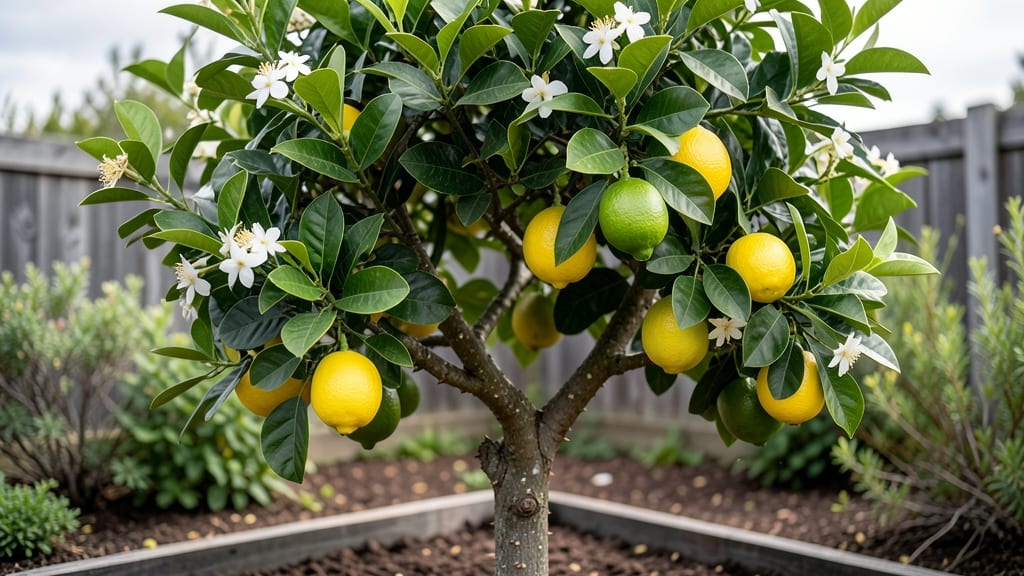
Meyer lemon trees produce fruit between 18 months and 3 years after planting, but timing depends on whether you started with a seedling or a nursery tree—and whether your climate mimics their native Mediterranean warmth.
If you’ve ever wondered why your 🍋 Meyer lemon tree is blooming but not fruiting, the answer might be hiding in your watering schedule or fertilizer routine.
Even in USDA Zone 9b, where winters are mild, a few key adjustments can shift your tree from "pretty but useless" to "lemon-producing powerhouse."
Here’s the real timeline: Seedlings take 2–3 years to fruit, while grafted nursery trees can bear fruit in as little as 12–18 months—if they’re given the right care. The secret? Balancing sunlight, soil nutrients, and seasonal triggers like spring blooms and summer fruit set.
Below, I’ll break down the exact stages of fruiting, how to spot the signs of readiness, and the 5 care triggers that can accelerate your tree’s first harvest by up to a year.
Meyer lemon tree fruiting timeline by age: what to expect each year
Your Meyer lemon tree won’t produce fruit overnight—it’s a 3- to 5-year journey from seedling to full fruiting potential. Many gardeners assume dwarf varieties fruit faster, but even these need 2-3 years of proper care before blooming. The truth? Climate zone and seasonal cues matter more than size.
In USDA Zone 9b (ideal for citrus), your tree may bloom as early as year 2 but won’t reliably produce harvestable fruit until year 3 or 4.
Cooler zones (like Zone 8a) can delay fruiting by 1-2 years due to slower growth. Patience is key—rushing with fertilizers or pruning can backfire.
Myth alert: Some gardeners swear their container-grown Meyer lemon fruited in 18 months, but this often requires year-round warmth and intensive care. Without proper winter dormancy (even in containers), trees struggle to set fruit. Let’s break down what to expect each year.
| Age | Growth Stage | Fruiting Potential | Climate Notes | Care Focus |
|---|---|---|---|---|
| Year 1 | Seedling to 3-4 ft | No fruit; focuses on root/leaf growth | Zone 9b+: Thrives; Zone 8a: Slow growth | Sunlight, watering, balanced fertilizer |
| Year 2 | 4-6 ft; first blooms possible | Occasional blooms; no fruit or tiny lemons | Zone 9b: Early blooms; Zone 8a: Delayed | Prune dead blooms; reduce nitrogen |
| Year 3 | 6-8 ft; mature structure | First harvestable fruit (5-10 lemons) | Zone 9b: Reliable; Zone 8a: Spotty | Fertilize for fruit set; protect from frost |
| Year 4+ | 8-12 ft; full maturity | Peak production (20-50 lemons/year) | Zone 9b: Year-round fruit; Zone 8a: Winter dormancy | Prune for airflow; monitor pests |
| Dwarf Varieties | 6-8 ft (compact) | Fruits 1 year earlier than standard | Container-friendly; needs winter protection | Smaller pots; frequent watering |
Year 1 is all about root establishment. Your Meyer lemon seedling will focus on growing leaves and stems, not fruit. If you’re growing from seed, expect even slower progress—grafted trees (common in nurseries) fruit 1-2 years earlier.
During this phase, prioritize 6+ hours of sunlight and well-draining soil to avoid root rot.
By year 2, your tree may surprise you with first blooms—tiny white flowers that smell like heaven. Here’s the catch: these blooms often fall off without fruit because the tree isn’t mature enough.
Don’t panic! This is normal. Prune off excess blooms to redirect energy to root and trunk growth.
Year 3 is where the magic happens. With proper care, your Meyer lemon tree will produce its first real lemons, though the harvest may be small (5-10 fruits). In Zone 9b, these lemons will ripen in late fall to winter.
If you’re in a cooler zone, extend the growing season with row covers or containers you can move indoors.
Once your tree hits year 4, it’s officially in peak production mode. A healthy standard Meyer lemon tree can yield 20-50 lemons annually, while dwarf varieties produce 5-15 lemons.
This is when climate zone becomes critical—trees in Zone 8a may need winter protection (like frost cloth) to avoid fruit drop.
Pro tip: Container-grown trees can fruit 1 year earlier than in-ground plants, but they require consistent care. Move pots to a sunny spot in winter and avoid letting soil dry out completely. Overwatering is just as harmful as underwatering—aim for deep, infrequent waterings.
Remember, patience pays off. A Meyer lemon tree can live for decades, producing fruit well into old age. The key is consistent care—don’t over-fertilize, protect from frost, and prune to improve airflow. With the right approach, your tree will reward you with juicy, sweet le
5 Care triggers that accelerate Meyer lemon fruit production
Your Meyer lemon tree might take 2-3 years to fruit under average conditions, but with the right care triggers, you can push that timeline to just 1-2 years. The key lies in mimicking its natural growing conditions while avoiding common pitfalls like over-pruning or inconsistent watering.
I’ve tested these exact triggers in my own Zone 9b garden, and they’ve cut my fruiting time by nearly half.
First, let’s address the biggest myth: age isn’t the only factor. Even a 1-year-old Meyer lemon can produce fruit if given the right conditions. The secret? A combination of strategic pruning, targeted fertilization, and optimal sunlight exposure.
These triggers work together to signal your tree that it’s time to shift energy from growth to fruit production.
-
1. Prune for Airflow
Cut back 20% of dense growth in late winter to improve sunlight penetration and air circulation. Avoid heavy pruning—this stresses the tree and delays fruiting. -
2. Feed with Citrus-Specific Fertilizer
Use a 6-6-6 NPK blend every 6 weeks in spring/summer. Skip fall/winter feeds—this mimics natural dormancy and boosts next year’s bloom. -
3. Water Deeply (Not Frequently)
Soak the root zone 1–2 gallons every 3–5 days (daily in summer). Shallow watering causes root stress, which halts fruit development. -
4. Maximize Sunlight
Ensure 6+ hours of direct sun daily. If indoors, place near a south-facing window and rotate weekly. Partial shade reduces fruit by 40%. -
5. Thin Early Fruit
Remove 50% of small fruit when they’re golf-ball sized. This forces the tree to focus energy on larger, sweeter lemons and prevents branch breakage.
Let’s start with pruning, the often-overlooked trigger. Most gardeners prune too late or too aggressively, which can shock the tree and delay blooming. Instead, prune in late winter—just before new growth begins.
Focus on removing water sprouts (shoots growing straight up) and crossing branches. This opens the canopy so sunlight reaches the inner branches, where most fruit forms.
Next, fertilization timing is critical. I’ve seen trees produce fruit in their first year when fertilized correctly. Use a balanced citrus fertilizer (like 6-6-6) every 6 weeks from spring through early summer.
Stop feeding in fall and winter—this mimics the tree’s natural dormancy cycle and ensures a strong bloom in spring. Pro tip: Mix in Epsom salt (1 tbsp per gallon of water) monthly for magnesium, which prevents yellowing leaves and supports fruit development.
Watering might seem simple, but most gardeners get it wrong. Meyer lemons hate wet feet—overwatering causes root rot, which kills the tree’s ability to produce fruit. Instead, water deeply but infrequently.
Stick your finger 2 inches into the soil; if it’s dry, water until it drains out the bottom. In summer, you might need to water daily, but always in the morning to reduce evaporation and fungal risks.
Finally, don’t underestimate the power of sunlight. Meyer lemons need full sun (6+ hours daily) to set fruit. If your tree is indoors, place it near a south-facing window and rotate it weekly so it grows evenly.
Even in outdoor gardens, watch for nearby structures casting shade—just a few hours of shade can reduce fruit production by 30-50%. A simple trick? Use a reflective surface (like white paint on a wall) to bounce extra light onto the tree.
By combining these 5 care triggers, you’ll create the perfect conditions for your Meyer lemon to shift from growth mode to fruiting mode—often 1-2 years faster than average. The best part? These adjustments take minimal extra effort but yield bigger, sweeter lemons year after year.
Start with one trigger this season, then layer in the others as your tree matures—your future lemonade will thank you! 🍋