
Vegetables
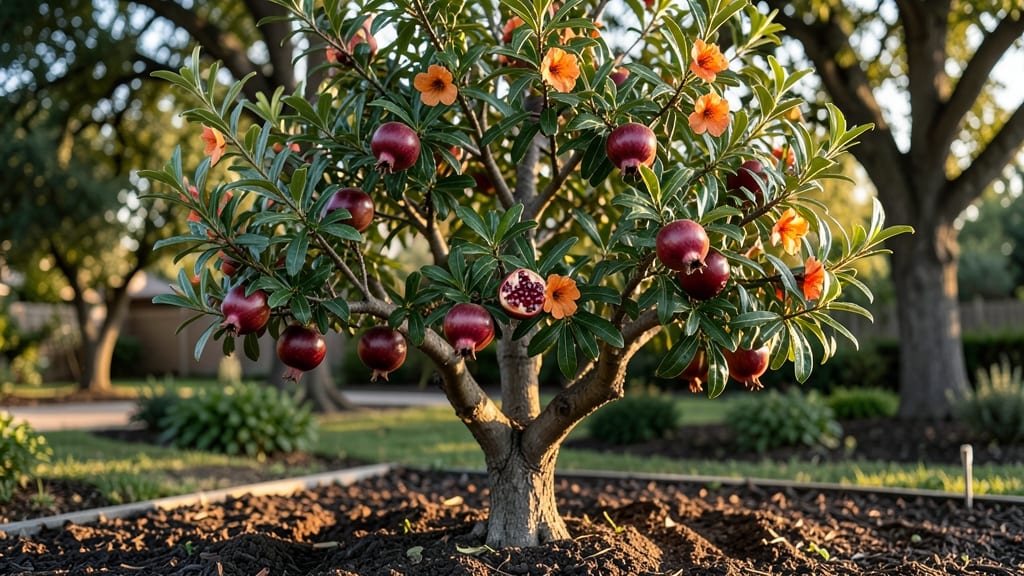
Pomegranates are winter fruits in the truest sense—their peak harvest arrives just as holiday tables need that jewel-toned pop. 🌿 While they thrive in warm climates year-round, the fruit itself ripens in late fall and winter (October through January in most regions), making it a seasonal standout.
The confusion comes from their Mediterranean origins, where they grow in hot summers but only reach maturity when temperatures cool. What makes pomegranates unique is their dual-season nature: the plant itself loves heat, but the fruit needs that crisp autumn chill to sweeten properly.
That’s why grocery stores stock them in winter—it’s harvest time, not just a random seasonal pick. The seeds stay fresh for months, but eating them fresh in winter means you’re tasting fruit at its absolute peak.
This seasonal quirk also explains why pomegranates are pricier in winter—they’re fresh from harvest, not stored for months. The trade-off? That’s when they’re juiciest, with deeper flavor and easier-to-crack arils. Store-bought ones in summer often taste bland because they’ve been sitting since last winter’s harvest.
For home growers, this means winter care matters: protect plants from frost if you’re in a cooler zone, but otherwise, the tree itself is dormant—just waiting for spring to wake up and start the cycle again.
📚 In This Guide
- What you need
- Instructions
- Tips and common mistakes
- Wrapping up and next steps
What you need
- ● Fresh or dried pomegranates (1–2 for tasting or dissecting—organic or conventional, your choice!)
- ● Sharp knife or pomegranate spoon (for seed extraction; a mandoline can help too!)
- ● Cutting board (preferably with a non-slip mat to avoid messy spills!)
- ● Colander or fine-mesh strainer (to separate seeds from excess juice and membranes)
- ● Paper towels or clean cloth (for drying hands and tools)
- ● Small bowls or ramekins (2–3, for organizing seeds and juice)
- ○ Measuring cups/spoons (optional, for tracking juice yield or seed quantity)
- ● Pomegranate seeds (1–2 cups, for planting experiments—if you’re feeling adventurous!)
- ● Potting soil (well-draining mix, 1–2 gallons; cactus/succulent blend works best)
- ● Small pots or seed trays (3–4 inches deep, with drainage holes)
- ● Spray bottle with water (for gentle seedling hydration)
- ● Growth light or sunny windowsill (if germinating indoors)
- ● Notebook or journal (to track harvest dates, climate notes, or flavor comparisons!)
- ● Recipes or ingredient lists (for testing pomegranate in winter dishes—think salads, smoothies, or desserts!)
- ● A basic understanding of fruit seasons and climates (especially Mediterranean or warm-zone regions).
- ● Access to a pomegranate tree or local market (or a reliable online supplier for seeds/bulbs).
- ● Patience for germination (if growing from seed—it can take months to bear fruit!).
- ● Weather awareness (pomegranates thrive in USDA Zones 7–11; check your local frost dates!).
Understanding pomegranate seasons: when they ripen and how to enjoy them
Let’s clear up the confusion—pomegranates aren’t just a winter fruit. Their harvest season actually peaks in late fall, and here’s why that matters for flavor, availability, and even storage.
🌿 Step 1: Identify the True Harvest Window
Pomegranates reach peak ripeness between late September and November, depending on your growing zone. This is when the fruit’s natural sugars concentrate, and the seeds develop their signature juicy sweetness. If you’re buying from a store, look for firm, heavy fruits with deep red or purple skins—these are the ones harvested at their prime.
Here’s the thing—many grocery stores stock pomegranates year-round, but those winter fruits often come from earlier harvests or storage. The flavor won’t be as vibrant. For the best taste, aim for September through November when fresh harvests hit markets. If you’re growing your own, wait until the skin splits slightly or turns a richer hue before picking.
☀️ Step 2: Recognize the Signs of Ripeness
Ripe pomegranates have a few key traits: the skin should feel firm but slightly yielding, almost like a ripe avocado. If it’s too hard, it’s underripe; if it’s mushy, it’s overripe. The stem should stay attached easily—if it pulls off with resistance, the fruit isn’t ready yet.
Color is another clue. A ripe pomegranate’s skin will deepen to a bold red, purple, or even deep pink, depending on the variety. Avoid fruits with green patches or dull colors—they’re not fully mature. And don’t judge by size alone; a smaller pomegranate can be sweeter than a larger, underripe one.
⏰ Step 3: Store Pomegranates for Maximum Freshness
Freshly harvested pomegranates last 2-3 weeks at room temperature if you leave them whole and uncut. Place them in a cool, dry spot away from direct sunlight—like a pantry or countertop. The key is to avoid ethylene gas buildup (which speeds up spoilage), so don’t store them with apples or bananas.
Once cut open, pomegranates lose their freshness quickly. To extend their life, remove the seeds and store them in an airtight container in the fridge for up to 5 days. For longer storage, freeze the seeds in a single layer on a tray before transferring them to a sealed bag—this prevents them from clumping. Frozen seeds keep their flavor for up to 6 months, perfect for smoothies or baking.
🌱 Step 4: Enjoy Pomegranates Beyond Winter
Since pomegranates are a fall fruit, you might wonder how to enjoy them in winter. The answer? Buy from late-season harvests or stored fruits, but expect slightly less juiciness. Alternatively, opt for dried pomegranate seeds (arils), which retain their sweetness year-round. Look for deep red, plump seeds without added sugar.
For a taste test, try this: pit a fresh fall pomegranate against a winter one. The fall fruit will burst with juice and a balance of tart and sweet flavors, while the winter fruit might taste flatter or mealier. If you’re growing your own, harvest early and store in a cool, dark place to enjoy them through the colder months.
Tips & tricks for perfect pomegranate selection and storage
Here's what nobody tells you about getting the most out of these seasonal jewels.
Seasonal Shopping Strategy: The late September to November window is your golden opportunity for peak flavor—this is when pomegranates develop their signature sweet-tart balance. If you're buying outside this window, look for fruits labeled "late harvest" or ask your grocer when their current stock was picked. I've noticed that even "winter" pomegranates from California's late-season harvests (around December) still pack more punch than those imported from earlier harvests.
The Ripeness Test You've Probably Missed: Beyond the firm-but-yielding texture, give the pomegranate a gentle shake. A ripe one will have seeds that rattle around inside—this indicates juicy, developed arils. I learned this the hard way after buying several hard, unripe fruits that never developed proper flavor. Also, the stem should pull off easily—if it resists, the fruit needs more time on the tree.
Storage Hack for Maximum Freshness: For whole pomegranates, store them stem-side down in a paper bag (not plastic) in a cool, dark pantry. The paper helps absorb excess moisture while allowing airflow. I've found this extends their shelf life by nearly a week compared to plastic bags. And remember—never store them with apples or bananas, as those fruits release ethylene gas that speeds up spoilage.
Freezing Like a Pro: When freezing pomegranate seeds, spread them in a single layer on a baking sheet first and freeze solid before transferring to bags. This prevents them from clumping into one giant mass. I freeze mine in small portions (about 1 cup per bag) so I can grab exactly what I need for recipes without thawing the whole batch. These frozen seeds keep their vibrant color and flavor for up to 6 months—perfect for winter smoothies when fresh ones aren't available.
Pro Tips for Is Pomegranate A Winter Fruit
- Here's what nobody tells you about getting the most out of these seasonal jewels.
- Seasonal Shopping Strategy: The late September to November window is your golden opportunity for peak flavor—this is ...
- The Ripeness Test You've Probably Missed: Beyond the firm-but-yielding texture, give the pomegranate a gentle shake. ...
Frequently asked questions
Got questions about pomegranates and their seasonal magic? You’re not alone!
Here are some of the most common queries—and the answers you’ve been searching for.
1. If pomegranates aren’t winter fruits, when is the best time to buy them?
While pomegranates peak in late fall to early winter (October–January), they’re available year-round in stores due to global farming. For the freshest, juiciest fruit, aim for September–December when they’re in-season locally. If buying out of season, opt for organic or conventionally grown varieties—just check for firmness and vibrant color!
2. Can you grow pomegranate trees in cold climates, or are they strictly a warm-weather crop?
Pomegranate trees love warmth but can survive mild winters (USDA Zones 7–11). In colder regions, grow them in containers and move them indoors during frost. Young trees need protection, while mature ones may tolerate brief chills. Pro tip: Plant in spring after the last frost for best results!
3. Are there any winter fruits that taste similar to pomegranate?
If you’re craving pomegranate’s tangy-sweet flavor in winter, try these seasonal swaps:
- Cranberries – Tart and festive, perfect for sauces or snacks.
- Persimmons – Sweet when ripe, with a unique texture.
- Kiwi – Bright, acidic, and packed with vitamin C.
- Grapefruit – A citrusy alternative with a bold punch.
4. Why do store-bought pomegranates sometimes taste bland or mealy?
Store-bought pomegranates often lose flavor and texture due to over-ripening or long shipping. To troubleshoot:
- Choose heavy, firm fruits with a deep red hue.
- Avoid shriveled or soft spots—signs of age.
- Store at room temp (not the fridge) until ready to eat.
- For extra juice, chill them first before cutting!
5. How long can you store pomegranates after harvesting?
Freshly harvested pomegranates last 3–5 days at room temperature and up to 2 weeks in the fridge (whole, uncut). Once opened, store seeds in an airtight container with a damp paper towel to keep them moist. For long-term storage, freeze the seeds for up to 6 months—perfect for smoothies or baking!
Wrapping up and next steps
So, is pomegranate a winter fruit? The answer is a resounding yes—with a twist! 🌟 While it thrives in cooler months, its peak harvest and flavor shine brightest in late fall and early winter.
Packed with antioxidants and nutrients, pomegranates are nature’s perfect winter superstar, ready to boost your health and holiday dishes.
Now that you know the seasonal scoop, why not embrace the harvest? Try adding pomegranate seeds to salads, smoothies, or even festive desserts. Your taste buds—and your body—will thank you! 🍇✨