
Pruning
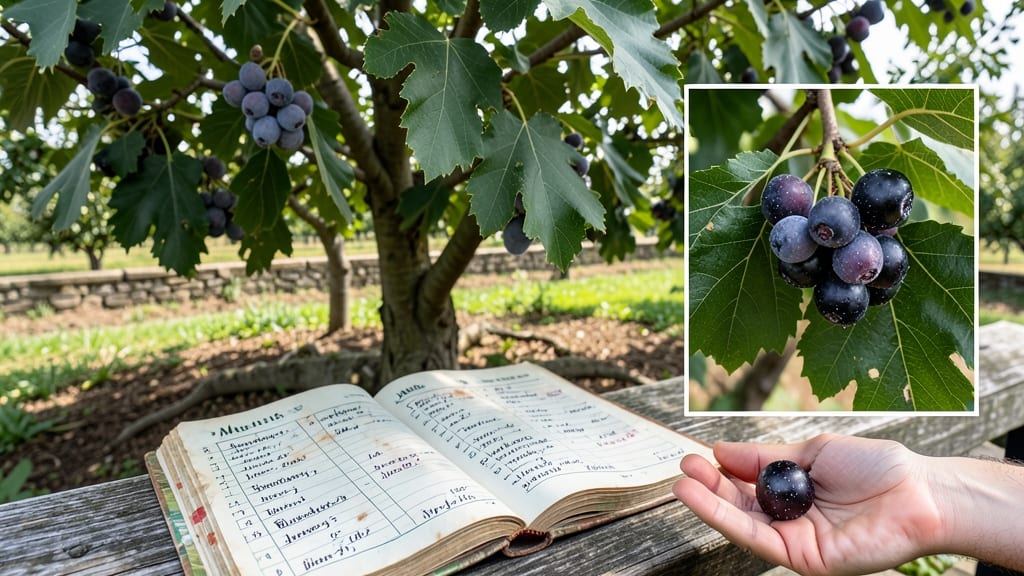
A mulberry tree bears fruit typically between 3 to 5 years after planting, though some vigorous varieties may produce earlier with ideal care.
If you’ve planted one hoping for a quick harvest, you might be surprised by the wait—but timing is everything. From the first leaf to the first cluster of berries, mulberry trees follow a schedule shaped by their age, the type you’ve chosen, and where you live.
White mulberries often ripen first, as early as late summer, while black varieties may wait until early fall. In warmer climates like USDA Zone 6a and beyond, fruit can appear sooner, but colder regions may delay the process.
Below, I’ll break down exactly when to expect fruit based on your tree’s age and variety, plus how to give it the best shot at an early harvest—so you can plan your patience (and your berry recipes) accordingly.
Mulberry tree fruit bearing timeline by age and variety
Mulberry trees are patient plants—some varieties take 3 to 5 years before producing their first fruit, while others may wait even longer. The timeline depends heavily on the variety (white, red, or black mulberry) and whether your tree is in its juvenile growth stage.
Understanding these stages helps you set realistic expectations and adjust care to encourage fruiting.
White mulberries, like the Illinois Everbearing variety, often bear fruit earliest, sometimes as young as 2 to 3 years old. In contrast, black mulberries, such as the Cacique, may take 4 to 6 years to mature enough for their first harvest.
Red mulberries fall somewhere in between, typically fruiting between 3 and 5 years after planting.
Here’s a quick breakdown of what to expect based on age and variety, including the peak production windows when your tree will yield the most fruit:
| Variety | First Fruit Age | Peak Production Window | Notes |
|---|---|---|---|
| White Mulberry (e.g., Illinois Everbearing) | 2–3 years | Years 4–10 | Fastest to fruit; prolific early producer. |
| Red Mulberry (e.g., 'Superior') | 3–5 years | Years 6–15 | Moderate growth; fruit ripens in July–August. |
| Black Mulberry (e.g., 'Cacique') | 4–6 years | Years 8–20+ | Slowest to start; largest fruit; long-lived producer. |
Even after your mulberry tree starts bearing fruit, the first few years of production may be light.
For example, a white mulberry might produce just a few clusters in year 3, but by year 5, it could yield 50+ pounds of berries if conditions are ideal. Black mulberries, while slower to start, often reward patience with heavier, longer-lasting harvests as they mature.
One common misconception is that mulberry trees fruit annually like apples or pears. In reality, they often produce two harvests per year—a smaller spring crop (if conditions are right) and a larger summer/fall crop (July–September in most climates). This biennial bearing pattern is normal, especially for younger trees.
To encourage earlier fruiting, focus on proper pruning in late winter to remove water sprouts and dead branches, which diverts energy toward fruit production. Additionally, ensure your tree receives full sun (6+ hours daily) and well-draining soil with a slightly acidic to neutral pH (6.0–7.0).
Over-fertilizing with nitrogen can delay fruiting by promoting leafy growth over flowers.
If your mulberry tree is past its first fruit-bearing age but still not producing, check for pests like aphids or scale insects, which can stress the tree. Poor pollination (though mulberries are mostly self-fertile) or late spring frosts damaging flower buds can also stall fruit development.
In these cases, hand-pollinating with a soft brush or protecting buds with frost cloth may help.
Once your tree enters peak production, expect harvests every 1–2 weeks during the main season. Mulberries ripen in clusters, so check the tree every 3–4 days once fruit starts coloring. Harvest by hand or with pruning shears, cutting stems just above the fruit cluster to avoid damaging branches.
🌱
Climate and location factors that speed up or delay fruit production
Your mulberry tree’s fruit production timeline isn’t set in stone—it’s heavily influenced by where you live and the growing conditions you provide. USDA hardiness zones play a major role, with trees in warmer zones (7-10) often bearing fruit 1-2 years earlier than those in colder regions (zones 5-6).
For example, a tree in Zone 9 might produce fruit by year 3, while one in Zone 6 may wait until year 5 or 6.
Seasonal sunlight exposure is another critical factor. Mulberry trees thrive with 6-8 hours of direct sunlight daily, but partial shade in hot climates (like the Deep South) can delay fruiting by slowing growth. If your tree isn’t getting enough light, it may focus on leaf production instead of flowering.
Conversely, full sun exposure in temperate zones (like the Pacific Northwest) can accelerate fruit production by up to 30%.
- 1. USDA Zone 5-6: Fruit production delayed by 1-2 years due to shorter growing seasons. Cold snaps can damage flower buds, reducing yields.
- 2. Zone 7-9: Ideal for early fruiting—white mulberries may bear fruit as early as year 2-3, while black mulberries take 3-4 years.
- 3. High-altitude areas: Cooler temps (like in mountain regions) can delay fruiting by 6-12 months compared to lowland areas with similar zones.
- 4. Humidity and rainfall: Excessive moisture (like in Florida or Southeast US) can cause fungal issues, while drought stress (common in Southwest US) may reduce fruit set.
- 5. Urban vs. rural: Trees in urban areas with pollution or compacted soil may fruit later due to stress, while rural trees thrive faster with richer soil and better airflow.
Regional growing conditions also create early vs. late bloomers. For instance, Texas and California often see mulberries fruit earlier in the season (as early as May-June) due to longer, warmer springs.
In contrast, Northeast states like New York or Pennsylvania may not see fruit until July-August because cooler springs delay flowering. Even within the same state, microclimates matter—trees near bodies of water may fruit later due to cooler, more humid conditions.
If you’re in a cooler climate, you can speed up fruiting by choosing dwarf varieties like ‘Illinois Everbearing’ or ‘Nonpareil’, which mature faster. For hot, dry regions, prioritize deep watering and mulching to reduce stress.
In humid areas, ensure proper air circulation to prevent diseases that can stunt fruit production.
Finally, don’t overlook the role of winter chilling hours. Mulberry trees often need 300-500 hours below 45°F to break dormancy and flower properly. If you’re in a mild-winter zone (like Zone 10), your tree might struggle to fruit without a dormancy period.
In such cases, consider pruning in late winter to encourage new growth and flowering.
By understanding your local climate quirks, you can give your mulberry tree the best shot at a faster, more abundant harvest.
Whether you’re in a sweltering desert or a chilly northern state, small adjustments to care can make a big difference in when (and how much) your tree bears fruit. 🌳☀️💧