
Pests
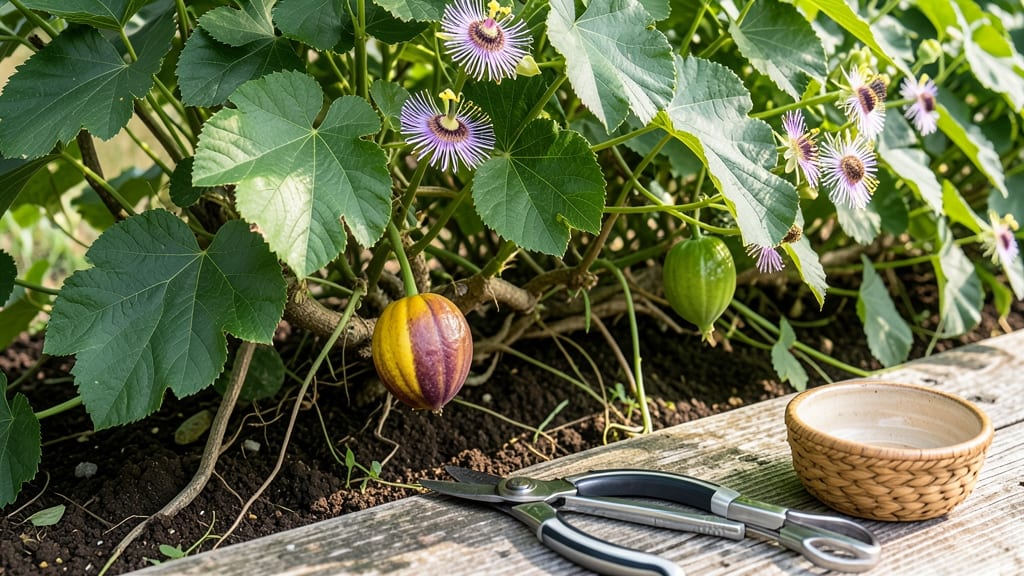
You should eat passionfruit when it's fully ripe, which you can tell by its deep yellow or purple skin and slight softness when gently squeezed. Overripe fruit becomes mushy, while unripe passionfruit will taste bland and tart. The best time to enjoy them is during late summer to early fall when they're at their juiciest and most flavorful.
Passionfruit reaches its peak flavor when the sugars inside develop fully, which happens naturally during its late summer to fall harvest window. 🔥 The color shift from green to vibrant yellow or purple signals chlorophyll breakdown, a key indicator that the fruit is ready to eat.
I've found that passionfruit grown in warmer climates ripens earlier than those in cooler regions, so checking your local growing season can help you plan when to expect the best-tasting fruit.
What many people don't realize is that passionfruit continues to ripen after picking, so you can actually buy slightly underripe ones and let them soften at room temperature for a day or two. This works especially well if you're stocking up for recipes like passionfruit cheesecake or smoothies.
The key is to avoid waiting too long—once it gets mushy, the texture turns unappealing, even if the flavor is still strong.
💡 In This Article
- How to Identify Ripe Passionfruit by Color and Texture
- Best Seasonal Harvest Times for Passionfruit by Climate Zone
How to identify ripe passionfruit by color and texture
Passionfruit ripens through a fascinating biological process where chlorophyll breaks down and sugars develop. The fruit's skin changes from green to vibrant yellow (for yellow varieties) or deep purple (for purple varieties) as the chlorophyll degrades.
This color shift isn't just visual—it's a direct indicator that the fruit's natural sugars have converted from starches, typically reaching 12-15% sugar content at peak ripeness. The enzymatic activity during this phase also softens the flesh slightly, making it easier to separate from the seeds.
The texture is your second key indicator. A ripe passionfruit should yield slightly when pressed with gentle pressure—about 1-2 pounds of force—but not feel mushy or squishy.
Day-neutral varieties (like 'Panama Gold') tend to ripen more uniformly, while seasonal varieties (such as 'Purple Haze') may show more variation in ripening times. 🔥 For example, the purple-skinned varieties often develop a slightly waxy feel when fully ripe, while yellow varieties remain smoother to the touch.
Overripe fruit will feel spongy and may even split open, releasing that signature floral aroma.
What most people miss is that passionfruit continues to develop flavor after picking. Once detached from the vine, the fruit's ethylene production accelerates, which is why you can often buy slightly firm passionfruit and let it ripen at room temperature for 1-3 days.
Place it in a paper bag with a banana or apple to speed up the process—the ethylene from these fruits triggers faster ripening. However, avoid refrigerating until fully ripe, as cold temperatures slow down the enzymatic activity and can dull the flavor.
There’s also a sensory trick: sniff the stem end. A ripe passionfruit emits a sweet, tropical aroma with hints of floral and citrus notes. Unripe fruit smells dull or slightly vegetal, while overripe fruit may have a fermented or overly sweet scent.
This aromatic cue works even if the skin color is ambiguous, making it a reliable backup method for identifying ripeness.
One common mistake is assuming all passionfruit ripen the same way. Purple varieties often have a thicker, tougher skin that may not soften as dramatically as yellow varieties. For example, 'Purple Passion' might still feel firm but be perfectly ripe inside, while 'Golden Passion' will soften more noticeably.
Always cut one open to double-check if you're unsure—this is especially useful when buying in bulk for recipes like passionfruit curd or desserts.
If you're growing your own, pay attention to the vine's behavior. Passionfruit vines produce fruit year-round in tropical climates but may have a 2-3 month peak season in subtropical areas.
The fruit typically takes 70-90 days to ripen after flowering, so tracking your planting date can help predict when to harvest. 💫