
How To
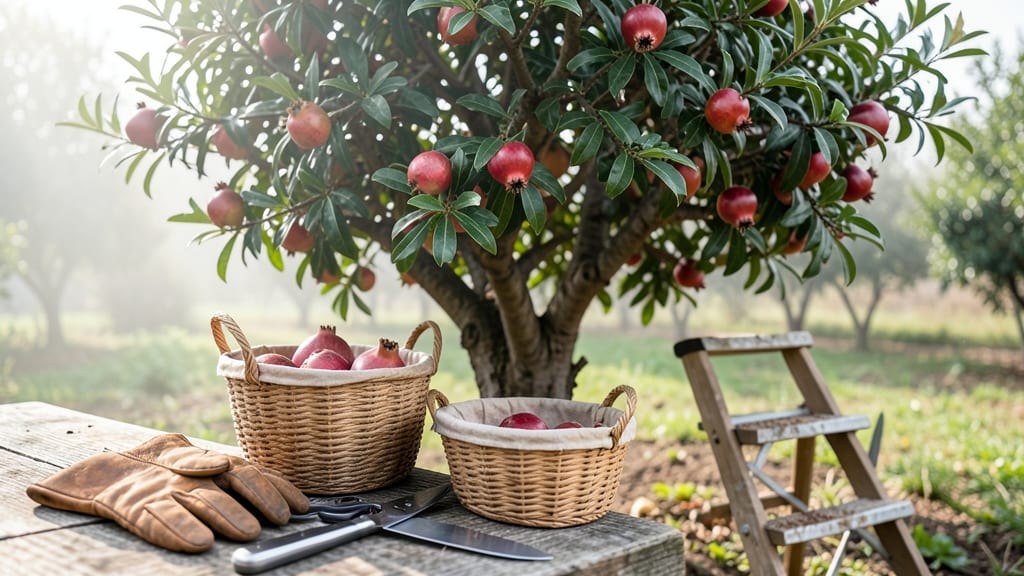
To pick pomegranate fruit at its peak, you’ll need to spot the deep red rind, feel the weight, and time it right between late summer and fall.
Pomegranates are nature’s jewel—bursting with flavor and nutrients—but picking them at the perfect moment can mean the difference between a juicy, seed-filled fruit and a sour, underripe disappointment.
Most gardeners in USDA Zones 6a-10a wait until September or October, when the rind turns from green to rich burgundy and the fruit feels heavy for its size.
Below, I’ll walk you through the exact visual cues, the best harvesting techniques to avoid bruising, and how to store your harvest for maximum freshness.

5 Visual signs your pomegranate is ripe and ready to harvest
Picking a pomegranate at the perfect moment transforms it from a hard, unappetizing ball into a jewel of flavor. The key lies in watching for visual and physical cues that reveal peak ripeness.
Unlike many fruits, pomegranates don't soften dramatically when ripe—they stay firm but develop subtle color shifts and weight changes that signal readiness.
Timing matters too. In USDA Zones 6-10, pomegranates typically ripen between late September and November, but regional climates can shift this window by weeks. For example, southern California trees may start ripening as early as August, while northern gardeners might wait until October or November.
Watching your local tree's seasonal cues helps narrow down the perfect harvest window.
Here's where visual inspection becomes your best tool. The rind color shifts from green to a deep, crimson or burgundy hue, while the fruit's weight and firmness change noticeably.
These five key signs will help you avoid picking too early (or too late) and ensure you harvest fruit bursting with flavor.
How to Pick Pomegranate Fruit: 5 Visual Cues
- 1 Deep Red or Burgundy Rind: The skin should turn from green to a rich crimson. Press gently—ripe fruit resists slight pressure without denting.
- 2 Heavy for Its Size: A ripe pomegranate feels dense and heavy in your hand. Shake it gently—if it sounds solid (not hollow), it’s ready.
- 3 Drying Stem: The stem at the top of the fruit begins to dry out and darken. This signals the fruit is nearing peak ripeness.
- 4 Slight Cracking: Tiny cracks may appear on the rind surface. This is natural and indicates the fruit is ready to be picked soon.
- 5 Firm but Yielding Skin: Press your thumb into the fruit—it should give slightly but not feel mushy. Overripe pomegranates become soft and may split.
Pay special attention to the rind color, which is the most reliable indicator. Some varieties, like 'Wonderful' or 'Eversweet', develop a deep ruby hue, while others like 'Sweetheart' may lean toward a darker burgundy.
If you’re unsure, cut one open—ripe seeds should be plump and firm, not mushy or pale.
Regional climates can delay or accelerate ripening. In cooler zones (6-7), pomegranates may need until late October or November to ripen fully, while warmer zones (8-10) often see harvests as early as September.
Keep a harvest journal to track your tree’s annual ripening pattern—this helps you predict future years.
One common mistake is waiting too long. Overripe pomegranates split open or develop shriveled seeds, ruining their flavor. If you notice the fruit cracking or leaking juice, it’s past its prime. Harvest just before these signs appear for the best taste and seed quality.
Pro tip: Pick pomegranates on a dry, sunny morning when the fruit is cool. This reduces the risk of stem breakage and makes handling easier. Avoid harvesting after rain, as wet conditions can spread bacterial infections through cuts or bruises on the fruit.
Once you’ve spotted these five ripe signs, it’s time to harvest carefully. Use a sharp pruning shear to cut the stem, leaving a small portion attached to the fruit.
This prevents juice from oozing out and preserves freshness. Store your freshly picked pomegranates in a cool, dry place for up to 2 weeks—or enjoy them immediately for peak flavor!
Step-by-step guide to harvesting pomegranates without damaging the fruit
Once your pomegranates reach peak ripeness, harvesting them properly ensures you get the juiciest, most flavorful fruit. The wrong technique can bruise the skin or even drop the fruit prematurely.
I’ve learned that gentle handling and the right tools make all the difference between a perfect harvest and a ruined one.
Pomegranates are delicate when ripe—their thick rind protects the seeds, but rough handling can cause cracks or splits. Whether you’re picking from a backyard tree or a commercial grove, follow these steps to avoid damaging the fruit while ensuring a clean break from the stem.
One common mistake I’ve seen is using dull pruners, which crush the stem instead of cutting cleanly. Always sharpen your tools before harvest season to ensure smooth cuts. Another tip: harvest on a dry, sunny morning when the fruit’s moisture content is lowest, reducing the risk of mold.
After harvesting, let the pomegranates cure for 1-2 days in a shady, dry place to toughen their skins slightly. This step improves their shelf life and flavor. Store them in a cool, dark spot until you’re ready to enjoy their sweet-tart seeds!
🍇