
Plants
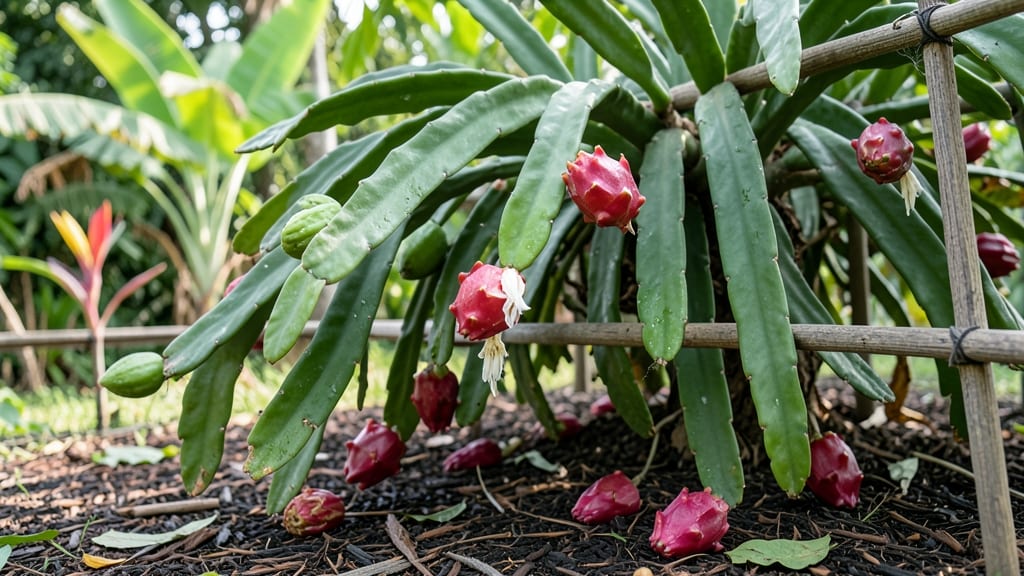
Fruits for dry regions thrive with minimal irrigation thanks to hardy varieties like pomegranates, figs, and citrus trees (such as dwarf Meyer lemon) that store water efficiently in their roots. Opt for space-saving options like strawberries or peaches, and use well-draining soil with organic mulch to lock in moisture.
Dry climates demand fruits with deep root systems and waxy leaves to reduce water loss—think of pomegranates with their thick skins or figs that produce fruit even in drought. 🌵 The key is matching the plant to your region's heat intensity: citrus handles 100°F+ temperatures better than most berries, while peaches need slightly cooler afternoons.
Mulching with straw or wood chips can cut evaporation by up to 70%, making all the difference in water-scarce areas.
For small gardens, container-growing opens up possibilities like blueberries (which need acidic soil) or dwarf citrus that bear fruit in just 2-3 years. Just remember: even drought-tolerant plants need occasional deep watering—1-2 inches per week during growing season—to establish strong roots.
The right variety turns your DR into a productive orchard without breaking the bank on irrigation.
💡 In This Article
- Best Drought-Tolerant Fruit Trees for DR Climates
- Small-Space Fruit Gardening Tips for DR Regions
Best drought-tolerant fruit trees for DR climates
The secret to these fruits' success lies in their evolutionary adaptations. Pomegranates, for example, develop deep taproots that can reach 10-15 feet underground to access moisture during dry spells.
Their thick, leathery leaves reduce water loss through a process called transpiration control, while their waxy skin protects the fruit from sun scorch. 🌵 In contrast, olive trees have a unique root system that spreads horizontally to capture water from large areas, while their small, silvery leaves reflect sunlight and minimize heat absorption.
Loquat trees take drought resistance to another level with their ability to drop leaves during extreme dry periods—a survival mechanism called deciduousness. This adaptation conserves water while allowing the tree to quickly regrow foliage when rains return.
Citrus varieties like the Meyer lemon have adapted by developing a high osmotic pressure in their cells, which helps them retain water even when soil moisture is scarce. These trees also produce fruit on new wood, meaning they can bear crops even during irregular watering schedules.
What most gardeners don't realize is how seasonal growth patterns affect water needs. Pomegranates, for instance, grow most vigorously in spring when temperatures are moderate (75-85°F), while olive trees continue growing slowly even in summer heat.
This means your irrigation schedule should shift with the seasons—deep watering every 10-14 days during peak growth versus monthly during dormancy. The key measurement to watch is soil moisture at 6 inches deep; if it's dry, that's your cue to water.
For visual impact, consider the dramatic difference between a well-watered and drought-adapted fruit tree. A properly cared-for pomegranate tree will have glossy, deep red fruit with thick skins that can weigh up to 1 pound each, while a stressed tree will produce smaller, tougher fruit.
The scent of ripe loquats—sweet and floral—becomes more intense when grown under slightly dry conditions, as the plant concentrates its sugars. This sensory reward makes the effort worthwhile for any DR gardener.
When selecting varieties, pay attention to chilling requirements. Most Mediterranean fruits like figs and olives need 200-400 hours of temperatures below 45°F annually to set fruit properly. In warmer DR regions, choose low-chill varieties such as the 'Brown Turkey' fig, which produces fruit with minimal cold exposure.
The payoff? A tree that consistently bears fruit year after year with minimal supplemental water.
Here's a quick comparison of water needs for top performers:
- Pomegranate: 15-20 gallons per tree every 2-3 weeks during growing season
- Olive: 10-15 gallons monthly, even in summer
- Loquat: 20-30 gallons every 3-4 weeks (more in containers)
- Dwarf Meyer Lemon: 5-10 gallons weekly in pots, 15-20 gallons in ground
The real magic happens when you combine these trees with proper soil preparation. Amending your soil with 2-3 inches of compost before planting creates a moisture-retaining layer while improving drainage—a perfect balance for DR conditions. The result? Fruits that taste even sweeter when grown with care in challenging climates. 💧