
Trees
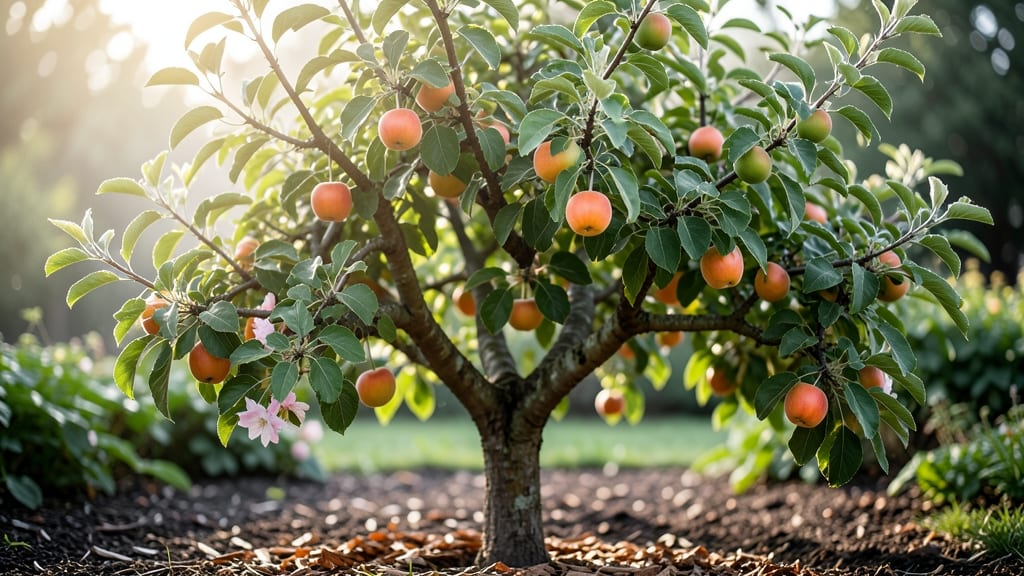
Nectarine trees produce fruit between late spring and early summer, with popular varieties like 'Redhaven' ripening in June-July and 'Crimson Snow' in July-August. Warmer climates may see earlier harvests, while cooler regions could experience delayed fruiting.
Nectarine trees follow a predictable fruiting schedule that depends on their specific variety and growing conditions. 🌸 The timing of blooms—typically in early spring—sets the stage for fruit development, with most nectarines reaching maturity within 60-90 days after flowering.
Younger trees may produce smaller harvests, while mature trees (5+ years old) deliver the most abundant fruit. Understanding your local climate's chill hours (300-900 hours below 45°F) helps predict whether early or late varieties will thrive in your area.
For example, 'Fantasia' nectarines ripen earlier than 'June Red,' making them ideal for warmer southern zones where cold snaps are rare. In contrast, 'Crimson Snow' handles cooler temperatures better, extending harvests into early August in northern regions.
Planting multiple varieties can create a staggered harvest that lasts several weeks, giving you fresh fruit throughout peak season.
💡 In This Article
- Factors Influencing Nectarine Fruit Ripening Timelines
- Best Nectarine Varieties for Different Growing Zones
Factors influencing nectarine fruit ripening timelines
Nectarine fruit production hinges on a delicate balance of environmental triggers, primarily chill hours and temperature fluctuations. These stone fruits require 300-900 hours below 45°F during winter dormancy to break dormancy and initiate blooming.
Without sufficient chill hours (common in warm climates), trees may fail to flower or produce irregularly. For example, California's Mediterranean climate often requires special low-chill varieties like 'Fantasia' to ensure reliable fruiting.
The blooming period typically occurs in late winter to early spring, with fruit development taking 60-90 days to reach maturity. Warmer temperatures accelerate growth, which is why southern regions often see earlier harvests.
Conversely, cooler climates may experience delayed ripening due to slower metabolic processes. Tree age also plays a role—young trees (1-3 years) may produce only a few fruits, while mature trees (5+ years) yield 50-100 pounds of fruit annually under optimal conditions.
Variety traits determine whether a tree is an early or late bloomer. Early varieties like 'Redhaven' often bloom 2-3 weeks before late bloomers like 'Crimson Snow,' creating staggered harvests. The key mechanism here is genetic flowering cues—some varieties respond more quickly to temperature increases in spring.
For instance, 'June Red' typically ripens 2-3 weeks earlier than 'Crimson Snow' in the same climate zone, making it ideal for regions with shorter growing seasons.
Light exposure and soil conditions further refine ripening timelines. Nectarine trees need 6-8 hours of full sun daily, and well-draining soil prevents stress that could delay fruit development. In urban areas with microclimates, trees planted near buildings may ripen 1-2 weeks earlier due to heat retention.
Conversely, coastal regions with cooler summer nights often produce fruit with more complex flavors but slightly later in the season.
Seasonal weather patterns create the most significant variability. A late frost (28°F or below) during bloom can destroy flowers, reducing harvests by up to 90%. Conversely, consistent warm springs accelerate growth but may lead to smaller fruit size.
The interplay between these factors explains why the same variety can ripen in June in Florida but not until August in Michigan, despite being the same species.
Understanding these mechanisms helps gardeners select appropriate varieties and implement strategies like protective coverings or drip irrigation to optimize fruit production. For example, in USDA Zone 7, planting 'Fantasia' alongside 'Crimson Snow' creates a 6-week harvest window from late June to early August, maximizing yield potential.