
Vegetables
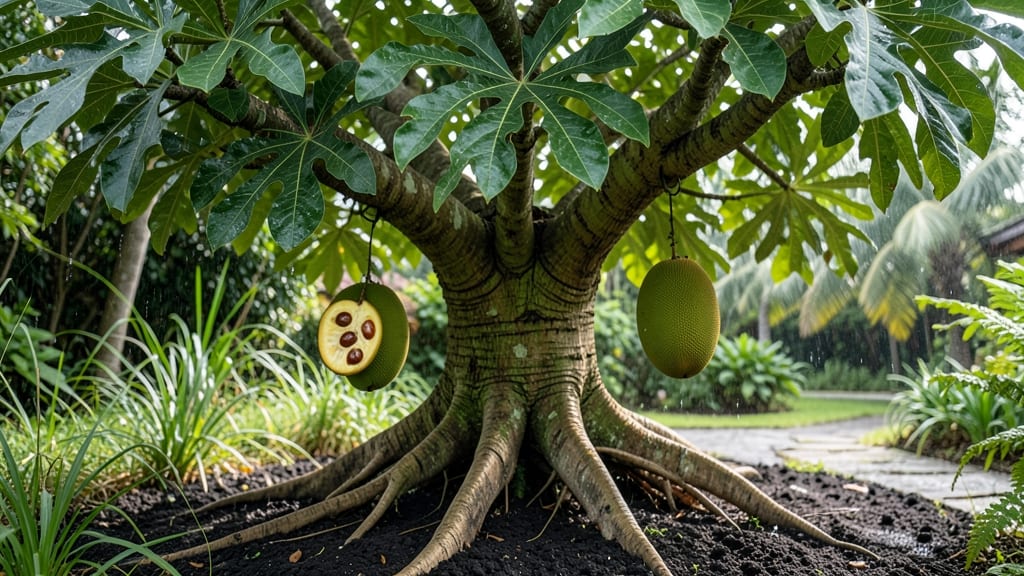
Jackfruit in Mexico thrives as a tropical fruit used in both traditional and modern Mexican cuisine, prized for its sweet, fibrous flesh and versatility in savory dishes like tacos or desserts like ice cream. It grows well in warm climates like Veracruz and Chiapas.
Mexico's warm coastal regions create the perfect environment for jackfruit to ripen into its signature sweet, stringy texture. 🌿 Unlike other tropical fruits that struggle with humidity, jackfruit actually benefits from Mexico's tropical climate—especially in states where temperatures stay consistently warm year-round.
The fruit's adaptability has made it a staple in regional markets, where you'll find it used in everything from street food to gourmet desserts.
What makes Mexican jackfruit particularly special is how it bridges traditional and contemporary cooking. 🌶️ While older generations remember it in classic tacos de fruta (sweet jackfruit tacos), today's chefs are reimagining it in vegan al pastor or even fermented drinks.
The key to great jackfruit dishes? Picking fruit that's just ripe enough—firm but yielding when pressed—and using it within a few days of harvest for peak flavor.
💡 In This Article
- Why Jackfruit Flourishes in Mexico’s Tropical Regions
- Traditional and Modern Mexican Jackfruit Recipes to Try
Why jackfruit flourishes in Mexico’s tropical regions
Mexico’s tropical climate—particularly in states like Veracruz, Chiapas, and Tabasco—creates ideal conditions for jackfruit cultivation. This fruit thrives in areas with average temperatures between 75-85°F and high humidity, mimicking its native habitat in South and Southeast Asia.
Unlike other tropical fruits that wilt under excessive moisture, jackfruit’s thick, waxy skin and dense flesh actually protect it from fungal diseases common in humid environments. 🌿 The soil in these regions is typically rich in organic matter, with well-draining properties that prevent root rot—a common issue for jackfruit trees.
The fruit’s success in Mexico also stems from its adaptability to regional microclimates. In Veracruz’s coastal lowlands, jackfruit trees produce fruit year-round due to consistent warmth, while in higher-altitude areas like Chiapas, they follow a more defined seasonal cycle.
This adaptability allows farmers to harvest 3-5 times annually, compared to just once or twice in cooler climates. The trees themselves can grow up to 80 feet tall, with some varieties developing massive, football-sized fruit weighing 50-100 pounds—a sight that still amazes local markets.
Historically, jackfruit arrived in Mexico through Spanish colonial trade routes, but it didn’t gain widespread popularity until the 20th century. Its sweet, honey-like flavor—especially when ripe—made it a natural fit for Mexico’s love of tropical fruits like mango and papaya.
Today, Veracruz remains the country’s top producer, where farmers have developed hybrid varieties that ripen 20-30% faster than traditional Asian strains. This acceleration is due to selective breeding for heat tolerance and disease resistance, tailored to Mexico’s specific growing conditions.
What sets Mexican-grown jackfruit apart is its texture: the fibers are slightly finer and less stringy than those in Southeast Asia, making them ideal for both sweet and savory applications.
The fruit’s natural sugar content—ranging from 15-22% by weight—peaks during the rainy season (June-October), when the flavor becomes most intense. This seasonal variation explains why jackfruit-based desserts like helado de chicos (jackfruit ice cream) are most popular during these months.
For those curious about growing jackfruit in home gardens, the key is mimicking these natural conditions. Planting in well-draining soil with a pH of 6.0-7.5 and providing partial shade during the first year maximizes survival rates.
Once established, jackfruit trees require minimal maintenance—just regular watering and protection from strong winds—which is why they’re increasingly spotted in backyard orchards across Mexico’s tropical belt.