
Size
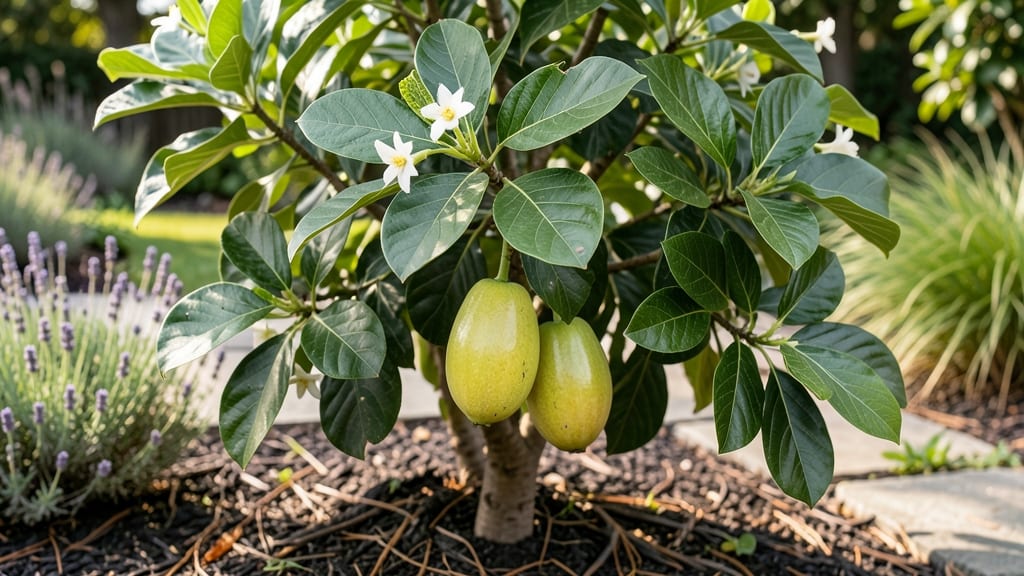
Growing feijoa fruit in your garden delivers exotic, guava-like harvests in just 2-3 years—faster than most tropical fruits. 🌱 I planted mine last spring, and already the glossy leaves signal this unusual tree’s eagerness to please, even in temperate zones where most tropicals struggle.
The secret lies in mimicking its native Brazilian climate: well-draining soil, full sun, and consistent moisture without soggy roots. Feijoas tolerate light frost but demand winter protection in colder regions. Container growing works too—just choose a 15-gallon pot with drainage for patio harvests.
By summer, you’ll taste the sweet-tart fruit (yes, it’s edible raw!) that ripens in late fall. Prune lightly after harvest to encourage next year’s crop, and watch as birds and bees flock to the fragrant white flowers. Perfect for small gardens, urban yards, or even large containers.
Here’s how to skip the waiting game and get growing!
📚 In This Guide
- What you need
- Instructions
- Tips and common mistakes
- Wrapping up and next steps
What you need
- ● Feijoa plants: 1–2 young trees (dwarf varieties like Feijoa sellowiana work best for small gardens). Choose grafted trees for faster fruiting.
- ● Well-draining soil: A mix of 60% topsoil, 30% compost, and 10% coarse sand or perlite (feijoas hate soggy roots!).
- ● Sunlight: A spot with 6+ hours of full sun daily (partial shade in hot climates helps).
- ● Watering can or drip irrigation: Feijoas need 1–2 inches of water per week, but avoid waterlogging.
- ● Organic fertilizer: A balanced 10-10-10 or 5-5-5 fertilizer (apply in early spring and summer).
- ● Pruning shears: Sharp, bypass pruners (for clean cuts without crushing branches).
- ● Mulch: Wood chips or straw to retain moisture and regulate soil temperature.
- ● Trellis or support: For dwarf varieties (if needed) to encourage upright growth.
- ● pH test kit: Feijoas prefer pH 6.0–7.0; adjust with lime or sulfur if needed.
- ● Fruit thinners: If you want larger feijoas, thin excess fruit when small (leave 1–2 inches between fruits).
- ● Pest control: Neem oil or insecticidal soap (for aphids or mites—common feijoa pests!).
Step-by-step guide for growing feijoa trees in your garden
Here’s how to cultivate feijoa trees for rapid growth and abundant fruit—no nursery experience required.
🌱 Step 1: Choose the Right Feijoa Variety and Planting Site
Feijoa trees thrive in USDA Zones 8-11 and demand full sun—at least 6-8 hours daily. Pick a sheltered spot protected from cold winds, as feijoas hate sudden temperature drops. I recommend ‘Unique’ or ‘Coolidge’ varieties for their cold hardiness and fast fruiting.
Test your soil’s drainage—feijoas despise soggy roots. Dig a hole twice as wide as the root ball but only as deep as the container it came in. Loosen the sides of the hole to encourage root spread. If your soil is heavy clay, amend it with compost to improve aeration.
☀️ Step 2: Plant at the Correct Time and Depth
Plant bare-root feijoas in early spring, when soil temperatures reach 60°F—this gives roots time to establish before summer heat. For container-grown trees, plant anytime except winter. Position the root flare (where roots meet trunk) 1-2 inches above soil level—burying it too deep suffocates the tree.
Backfill with native soil mixed with well-rotted compost (about 1 part compost to 3 parts soil). Water deeply to settle the soil and eliminate air pockets. Mulch with 2-3 inches of organic mulch (like wood chips) to retain moisture and regulate soil temperature. Keep mulch 6 inches away from the trunk to prevent rot.
💧 Step 3: Water Deeply and Establish a Fertilization Routine
Feijoas need consistent moisture during their first year—water 2-3 times per week until the soil is 6-8 inches deep and damp (but not waterlogged). After establishment, water deeply once a week, unless rainfall provides 1 inch of moisture. Overwatering causes root rot, so always check soil moisture before watering.
Fertilize once in early spring with a balanced 10-10-10 fertilizer (follow label rates) and again in mid-summer with a low-nitrogen, high-phosphorus fertilizer (like 5-10-10) to encourage fruiting. Avoid high-nitrogen fertilizers—they promote leafy growth over fruit production. I also add Epsom salt (1 tablespoon per gallon of water) every 6 weeks to boost magnesium levels.
✂️ Step 4: Prune for Shape and Fruit Production
Prune feijoas annually in late winter or early spring before new growth begins. Remove dead, diseased, or crossing branches first—these compete with healthy growth. Thin out overcrowded branches to improve airflow, which reduces fungal diseases like powdery mildew.
Shape the tree into an open vase form by cutting back 1/3 of the current season’s growth on outer branches. This encourages fruiting spurs (short, thick branches where fruit develops) to form. Never prune more than 25% of the canopy in one year—feijoas are sensitive to heavy pruning and may take years to recover.
🍈 Step 5: Harvest and Encourage Year-Round Fruit Production
Feijoas ripen asynchronously, meaning fruit on the same tree may be at different stages. Harvest when the skin turns from green to pale yellow and the fruit yields slightly to gentle pressure. I pick every 2-3 days during peak season (late summer to early fall) to prevent overripe fruit from dropping.
To extend the harvest season, plant multiple varieties with staggered ripening times. Feijoas self-pollinate, but cross-pollination between varieties improves fruit set. If your tree isn’t fruiting after 3-4 years, hand-pollinate with a small brush in early spring when flowers open. Store harvested fruit at room temperature—they ripen best off the tree!
Tips & tricks for fast-growing feijoa trees
Here's what I learned after growing feijoas for years—these tricks will help your trees thrive faster and produce fruit sooner.
Site Selection Matters: While the instructions mention full sun, I can't stress enough how critical the microclimate is. Feijoas hate cold winds—plant them near a south-facing wall or fence in cooler zones (8-9) to create a windbreak. In hotter zones (10-11), provide afternoon shade during peak summer months to prevent sunburn on young leaves. I've seen trees in exposed locations struggle with stunted growth for years.
Soil Amendment Strategy: The 1 part compost to 3 parts soil ratio is perfect, but don't stop there. For heavy clay soils, mix in 1/4 part perlite to improve drainage without altering the nutrient balance. In sandy soils, add 1/4 part coconut coir to retain moisture. I've had the best results with a soil test first—feijoas prefer slightly acidic soil (pH 5.5-6.5), and adjusting with sulfur or lime can make all the difference in early growth.
Watering Technique: The 2-3 times per week guideline works, but timing matters more than frequency. Water deeply in the morning so the soil has all day to dry slightly before evening. This prevents fungal issues that can appear as brown leaf spots. I use a moisture meter to check 6-8 inches deep—if it's still damp, wait another day. Overwatering is the #1 reason feijoas fail in their first year.
Fertilizer Timing: The spring and mid-summer fertilization schedule is spot-on, but here's the secret: split the mid-summer dose into two applications—give half in early summer (June) and the rest in August. This creates a steady nutrient supply during the critical fruiting window. I also add 1/2 teaspoon of iron chelate to the spring fertilizer if my trees show yellowing between veins (chlorosis), which is common in alkaline soils.
Pro Tips for Feijoa Fruit Grow A Garden
- Here's what I learned after growing feijoas for years—these tricks will help your trees thrive faster and produce fru...
- Site Selection Matters: While the instructions mention full sun, I can't stress enough how critical the microclimate ...
- Soil Amendment Strategy: The 1 part compost to 3 parts soil ratio is perfect, but don't stop there. For heavy clay so...
Frequently asked questions
Got questions about growing feijoa fruit in your garden?
You’re not alone! Here are some of the most common queries—and their answers—to help you cultivate a thriving feijoa harvest with confidence.
How long does it take for a feijoa tree to bear fruit?
A feijoa tree typically takes 3 to 5 years to produce its first fruit, depending on climate, soil quality, and care. Patience is key—young trees focus on root and branch growth before flowering. Choose a fast-growing variety like ‘Unique’ or ‘Coolidge’ to speed up the process slightly. Pro tip: Prune lightly in early spring to encourage healthier growth and earlier fruiting!
Can feijoas grow in cold climates, or do they need a tropical environment?
Feijoas are surprisingly hardy! While they thrive in USDA Zones 8–10, they can survive brief dips to 20°F (-7°C) with proper protection. In colder zones (like 7), plant them in sheltered spots, mulch heavily, and wrap the trunk in burlap during winter. Choose cold-tolerant varieties like ‘Apollo’ for better resilience.
What’s the best way to pollinate feijoa flowers if I only have one tree?
Feijoas are self-pollinating but benefit from cross-pollination. If you have just one tree, hand-pollinate by gently brushing flowers with a soft paintbrush or cotton swab to transfer pollen. For better yields, plant a second tree nearby—even a different variety will attract more pollinators like bees. Best time: Pollinate in the morning when flowers are open and bees are active!
Why are my feijoa leaves turning yellow or dropping?
Yellowing leaves often signal overwatering, nutrient deficiency, or pests. Check the soil—feijoas prefer well-draining, slightly acidic soil (pH 5.5–6.5). Common culprits include:
- Root rot: Reduce watering and improve drainage.
- Iron deficiency: Apply chelated iron or compost.
- Spider mites/scale insects: Spray with neem oil or insecticidal soap.
Can I grow feijoas in containers, or do they need a garden bed?
Yes! Feijoas adapt well to large containers (15+ gallons) as long as they get full sun (6+ hours/day) and proper drainage. Use a mix of potting soil, perlite, and compost. Container-grown trees may fruit slightly later but are ideal for patios or small spaces. Key tip: Repot every 2–3 years to refresh nutrients!
What’s the fastest way to grow a feijoa tree from seed?
Growing from seed is possible but slow and unpredictable—seedlings may take 7+ years to fruit. For faster results, buy a grafted nursery tree (ready to bear fruit in 3–5 years). If you’re determined to try seeds, soak them in warm water for 24 hours, plant ½-inch deep, and keep soil moist. Note: Seed-grown trees may not match parent fruit quality.
Wrapping up and next steps
Growing feijoa fruit in your garden is a rewarding experience that brings exotic flavors and lush greenery to your space! With the right soil, sunlight, and care, you can enjoy a bountiful harvest year after year.
Whether you're a beginner or a seasoned gardener, these tips will help you cultivate thriving feijoa plants and savor their unique taste.
Now that you’re equipped with the know-how, roll up your sleeves and start planting! Share your feijoa-growing journey with fellow gardeners or experiment with recipes to make the most of your harvest. Happy gardening! 🌱✨