
Succulent
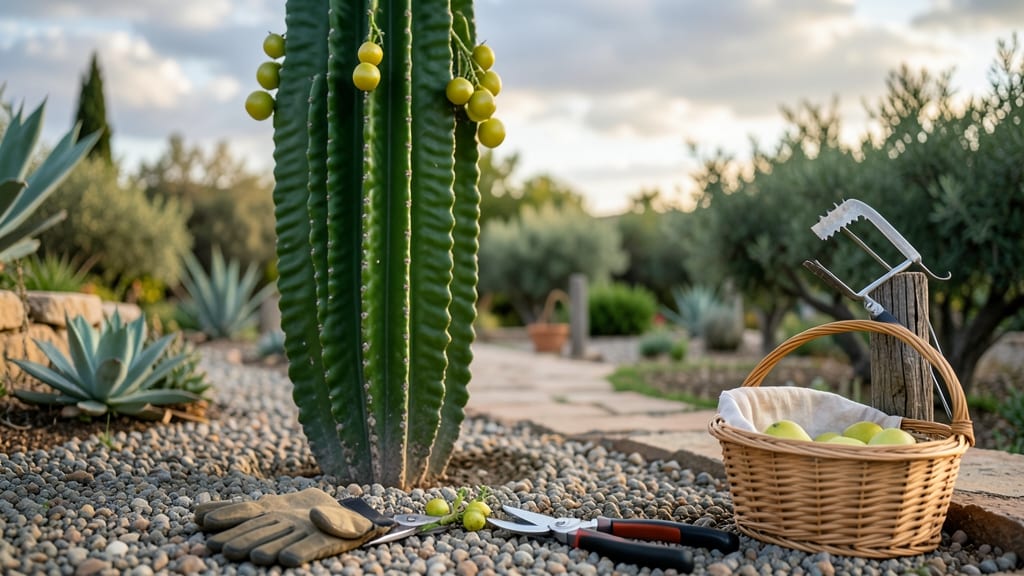
Growing Peruvian apple cactus fruit means you'll soon have a towering, drought-resistant plant that rewards you with sweet, edible fruit with almost no effort. 🌵 This isn't just another ornamental cactus—it's a productive, low-maintenance addition to arid landscapes, desert gardens, or even large containers.
The secret to its success lies in mimicking its natural environment: well-draining soil, full sun exposure, and watering only when the soil is completely dry. Unlike many cacti, this one thrives with minimal pruning—just remove dead growth or overcrowded arms to keep it healthy.
Once established, it handles drought like a champ, making it perfect for water-conscious gardeners.
By late summer, you'll see those signature yellow, apple-like fruits forming along the ribs—harvest them when they're fully ripe for a sweet, tangy treat. The plant itself grows 10-15 feet tall, so give it space or plan to admire it from afar.
With proper care, it can live for decades, producing fruit year after year.
This cactus handles heat, cold snaps down to 20°F, and even urban pollution better than most plants. The only real challenge is protecting it from pests like cochineal scale—but a simple spray of neem oil keeps them at bay.
Perfect for beginners and seasoned gardeners alike, it’s the ultimate "plant it and forget it" fruit producer.
📚 In This Guide
- What you need
- Instructions
- Tips and common mistakes
- Wrapping up and next steps
What you need
- ● Peruvian apple cactus (Hylocereus spp.) plants – Mature plants (3+ years old) for optimal fruit production.
- ● Well-draining cactus soil mix – 60% inorganic material (perlite, pumice) + 40% organic (cactus compost). Quantity: Enough to fill pots (10–15 gallons) or garden beds.
- ● Containers or garden space – Pots (12–18 inches deep) or full-sun garden beds (6+ hours of light daily).
- ● Slow-release fertilizer – Balanced (10-10-10 or 5-5-5) or cactus-specific. Quantity: 1 tbsp per plant, applied every 2–3 months.
- ● Pruning shears or knife – Sterilized, sharp tools for minimal trimming (avoid over-pruning!).
- ● Gloves – Cactus-safe gloves to protect hands from spines.
- ○ Support structure (optional) – Trellis or stakes for climbing varieties (e.g., Hylocereus undatus).
- ● Climate: USDA Zones 9–11 (or indoor growing with grow lights). Temperature: 70–95°F (21–35°C).
- ● Watering: Drought-tolerant! Water deeply every 2–3 weeks (reduce in winter).
- ● Light: Full sun (6+ hours daily). Indoor plants need 14–16 hours of grow light.
- ● Pollination: Hand-pollinate flowers with a small brush or wait for bats/moths (night-blooming cacti!).
- ● Humidity tray for indoor plants (if air is dry).
- ● pH tester (ideal soil pH: 6.0–7.0).
- ● Fruit ripening accelerator (e.g., ethylene gas sponges for indoor setups).
- ● Harvest basket or container for collecting ripe fruit.
Step-by-Step guide to maximizing Peruvian apple cactus fruit production
Here’s how to coax abundant fruit from your Peruvian apple cactus with smart, low-maintenance techniques.
🌱 Step 1: Ensure Proper Light Exposure for Flowering
The Peruvian apple cactus (Hylocereus undatus) needs bright, direct sunlight for at least 6-8 hours daily to trigger flowering. Place your plant in a south- or west-facing window or under grow lights if natural light is insufficient. You’ll know it’s getting enough light when the pads develop a deep green color and grow upright rather than stretching.
Insufficient light causes weak, sparse growth and no flowers. If your plant starts leaning toward the light, rotate it quarter-turn weekly to encourage even growth. During summer, move it outdoors for morning sun exposure—afternoon heat can scorch the pads.
☀️ Step 2: Maintain Ideal Temperature and Humidity
Peruvian apple cacti thrive in warm temperatures between 65-85°F during the day and no lower than 55°F at night. If your home dips below 50°F, move the plant indoors near a sunny window or use a small space heater to keep it cozy. Cold drafts or sudden temperature drops will shock the plant and halt fruit production.
Humidity matters too—40-60% relative humidity encourages robust growth. If your air is dry (common in winter), place the pot on a pebble tray with water or use a small humidifier nearby. Watch for wrinkled pads—a sign of low humidity—and mist lightly in the morning to restore moisture.
💧 Step 3: Water Strategically to Promote Flowering
Overwatering is the #1 killer of Peruvian apple cacti, but underwatering stresses the plant and prevents flowering. Water only when the top 2-3 inches of soil feel completely dry—stick your finger in the soil to check. During active growth (spring/summer), water every 7-10 days; in winter, reduce to every 3-4 weeks.
Use room-temperature water to avoid shocking the roots, and water directly into the soil (never on the pads). If the soil stays soggy for more than a day, the plant is at risk of root rot. Yellowing or mushy pads? That’s your warning sign to cut back on water immediately.
✂️ Step 4: Minimal Pruning to Encourage Fruit Bearing
Unlike other cacti, Peruvian apple cacti don’t need heavy pruning—in fact, over-pruning reduces flowering. Remove only dead, damaged, or diseased pads with sterilized scissors, cutting at a 45-degree angle just above a healthy node. This encourages new growth while keeping the plant healthy.
If your plant grows too tall or leggy, you can lightly trim the top to redirect energy to flowering. Do this only in early spring—never prune in fall or winter when the plant is dormant. After pruning, let the cuts dry for 2-3 days before watering to prevent rot.
🍈 Step 5: Fertilize for Abundant Fruit Production
Feed your Peruvian apple cactus once in early spring with a balanced, water-soluble fertilizer (like 10-10-10) diluted to half-strength. This gives the plant the nutrients it needs to produce vibrant flowers and fruit. Avoid fertilizing in fall or winter—dormant plants don’t need extra food and can get burned by fertilizer salts.
For even better results, switch to a low-nitrogen, high-phosphorus fertilizer (like 5-10-10) once flowers appear. This shift encourages fruit development rather than leafy growth. Always water the plant before and after fertilizing to prevent root burn.
Tips & tricks for maximizing Peruvian apple cactus fruit production
Here's the secret to transforming your cactus into a fruit-bearing powerhouse with minimal fuss.
Light Optimization: The 6-8 hours of direct sunlight in Step 1 is non-negotiable for flowering, but here's the pro move: supplement with grow lights during winter months when daylight is scarce. Place lights 6-12 inches above the plant for 12-14 hours daily to maintain that critical light exposure. I've seen plants that get this light boost produce flowers twice a year instead of once!
Temperature Troubleshooting: When maintaining the 65-85°F daytime range becomes tricky, consider a small greenhouse tent over your plant during cold snaps. This creates a microclimate that protects against temperature drops below 55°F at night. Just remember to ventilate during warm days to prevent overheating above 85°F, which can stress the plant just as much as cold does.
Watering Wisdom: The finger-check method in Step 3 is brilliant, but here's what nobody tells you: morning is always better than evening for watering. This gives excess moisture time to evaporate before nightfall, dramatically reducing root rot risk. I've saved multiple plants by switching to morning watering during humid summer months when evaporation slows dramatically.
Pruning Precision: When lightly trimming leggy growth in Step 4, focus on removing only the top 1-2 pads. This redirection of energy triggers more vigorous flowering from the remaining pads. I learned this the hard way after over-pruning and ending up with a plant that took a full year to recover. Always leave at least 3-4 healthy pads to maintain the plant's energy balance.
Pro Tips for Peruvian Apple Cactus Fruit
- Here's the secret to transforming your cactus into a fruit-bearing powerhouse with minimal fuss.
- Light Optimization: The 6-8 hours of direct sunlight in Step 1 is non-negotiable for flowering, but here's the pro mo...
- Temperature Troubleshooting: When maintaining the 65-85°F daytime range becomes tricky, consider a small greenhouse t...
Frequently asked questions
Got questions about the Peruvian apple cactus fruit? You're not alone! Here are some of the most common inquiries—plus straightforward answers to help you grow, harvest, and enjoy this unique fruit with ease.
How long does it take for a Peruvian apple cactus to produce fruit?
The first fruits typically appear 2–3 years after planting, but patience pays off! Young plants focus on root and stem growth before flowering. In ideal conditions (full sun, well-draining soil), you might see blooms as early as year 1, but harvestable fruit usually takes a bit longer.
Can I eat Peruvian apple cactus fruit raw, or does it need cooking?
Absolutely raw! The fruit is edible straight off the cactus—peel it first (the skin can be tough) and enjoy its sweet, apple-like flavor. Some prefer it slightly chilled or blended into smoothies. Pro tip: If the flesh feels fibrous, soak it in cold water for 10 minutes to soften.
Why isn’t my Peruvian apple cactus fruiting, even though it’s healthy-looking?
Lack of fruit often boils down to light, temperature, or age. Ensure it gets 6+ hours of direct sun daily and temperatures between 70–90°F (21–32°C). If your plant is under 3 years old, it may still be maturing. Try fertilizing lightly with a low-nitrogen, high-phosphorus blend (like 5-10-10) to encourage blooming.
Do I need to prune my Peruvian apple cactus to get more fruit?
Not necessarily! Unlike some cacti, the Peruvian apple cactus thrives with minimal pruning. Focus on removing only dead or damaged pads to redirect energy. Over-pruning can stress the plant and reduce fruiting. If you notice leggy growth, trim sparingly in early spring—but expect fruit to appear on older, established pads.
What’s the best way to store Peruvian apple cactus fruit?
Store unripe fruit at room temperature to ripen (like avocados). Once ripe, refrigerate for up to 1 week in a paper towel-lined container to prevent moisture buildup. For longer storage, freeze the peeled flesh in airtight bags—perfect for smoothies or baking!
Are there any alternatives if my cactus isn’t fruiting?
If fruiting is slow, try these tricks:
- Hand-pollinate flowers with a soft brush to aid fertilization.
- Move pots to a warmer, sunnier spot (or use a grow light in winter).
- Check for pests like mealybugs—treat with neem oil if needed.
- Consider grafting a fruiting branch onto a healthy plant (advanced!).
Wrapping up and next steps
The Peruvian apple cactus fruit is a low-maintenance gem that rewards gardeners with bountiful harvests while requiring minimal pruning. Its hardy nature and sweet, tangy fruit make it a fantastic addition to any succulent collection—whether you're a seasoned grower or just starting out. 🌱
Ready to grow your own? Start by gathering your supplies, then dive in with confidence! Plant a few today and enjoy the delicious rewards of your effortless gardening journey. 🍉✨