
Pruning
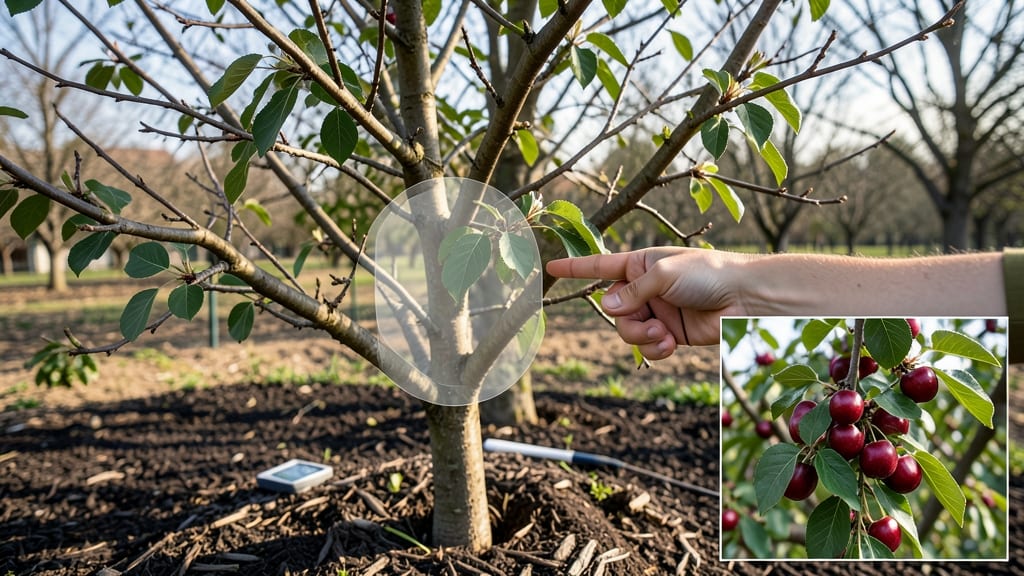
A cherry tree not producing fruit can feel like a cruel joke after years of waiting. 🌸 I’ve watched my own tree stand bare for three seasons straight—until I discovered the simple fixes that finally brought back the blossoms (and later, those sweet, juicy cherries).
Most fruitless trees fall into one of three categories: they’re too young, too old, or missing a critical piece of the puzzle—like proper pollination, sunlight, or the right pruning. My tree? It needed all three.
The good news is that fixing these issues often takes just a few adjustments, not a complete overhaul. By next spring, you could see clusters of pink blossoms heavy with potential.
The key is checking for pests, ensuring consistent watering, and giving the tree the space it needs to focus its energy on fruit production—not just leaves. Here’s how to diagnose and revive yours.
Start with the basics: is your tree getting at least 6-8 hours of sunlight daily? Many gardeners overlook how shade from new construction or overgrown shrubs can stunt fruit production. Then check the soil—too wet or too dry, and the tree won’t invest in flowers.
I’ve seen trees recover in just one season after adjusting their watering schedule. Don’t forget pollinators! If your tree isn’t self-pollinating, nearby bee activity (or even planting a second compatible variety) can double your harvest.
And if pests like borers or spider mites are present, they’ll sap the tree’s energy before it even thinks about fruiting.
The payoff comes in late summer, when branches bend under the weight of ripe cherries. With the right care, your tree could go from barren to bursting with fruit in as little as two growing seasons. The secret? Patience, observation, and a few targeted fixes—no magic required.
Root Causes Behind Barren Cherry Trees
If your cherry tree is standing tall but delivering zero fruit, it’s likely due to one (or more!) of these common biological or environmental roadblocks. Understanding the science behind each issue is the first step to fixing it—so let’s dig into what’s really going on below the surface.
---
Cherry trees take time to mature before they’re ready to produce fruit. Most varieties won’t bear fruit until they’re 3–5 years old, though some dwarf or grafted types may start earlier.
Why it happens: - Lack of energy reserves: Young trees prioritize root and branch growth over fruit production. Their energy is focused on establishing a strong structure to support future harvests. - Hormonal immaturity: Trees produce florigen, a hormone that triggers flowering, only after reaching a critical size. Until then, buds remain vegetative (leafy, not fruiting). - Insufficient chilling hours: Many cherry trees require 200–1,000 hours below 45°F (7°C) during winter to break dormancy and flower. If winters are too mild, buds stay dormant.
Actionable fix: ✅ Patience is key—wait until the tree is fully established (usually 4–6 years for standard varieties). ✅ Check chilling requirements—if your region lacks cold winters, choose a low-chill cultivar (e.g., ‘Stella’ or ‘Sweetheart’). ✅ Boost soil fertility with compost or balanced fertilizer (10-10-10) in early spring to encourage faster growth.
---
Cherry trees often need cross-pollination—meaning two compatible varieties must be planted nearby for successful fruit set. Even self-pollinating types may struggle if pollinators (like bees) are scarce.
Why it happens: - No compatible pollinator: Sweet cherries (Prunus avium) and tart cherries (Prunus cerasus) cannot pollinate each other. You need at least two trees of the same type within 50–100 feet for effective cross-pollination. - Timing mismatch: Cherry blossoms open for just 5–7 days, and bees must visit during this window. If weather disrupts pollinator activity (e.g., rain, cold snaps), fertilization fails. - Lack of pollinators: Urban areas or pesticide-heavy gardens may have fewer bees, reducing fruit set by up to 50%.
Actionable fix: ✅ Plant a second tree of a compatible variety (e.g., ‘Bing’ + ‘Stella’ for sweet cherries). ✅ Hand-pollinate if bees are absent—use a small paintbrush to transfer pollen between flowers on the same tree (works for self-pollinators like ‘Rainier’). ✅ Avoid pesticides during bloom to protect pollinators. Opt for neonicotinoid-free treatments.
---
Cherry trees are sensitive to light, water, and temperature extremes. Even minor stress can trigger flower bud abortion, where the tree drops potential fruit before it forms.
Why it happens: - Insufficient sunlight: Cherry trees need 6–8 hours of full sun daily. Shade from buildings, taller trees, or dense foliage weakens the tree, reducing energy for fruit production. - Water stress: Overwatering causes root rot and suffocates roots, while drought forces the tree to prioritize survival over fruit. Both lead to poor bud development. - Extreme temperatures: - Late frosts (after buds swell) can kill blossoms. - Heat waves (>90°F/32°C) during bloom cause bud drop. - Winter dieback (from fluctuating temps) damages flower buds before they open.
Actionable fix: ✅ Prune competing branches to ensure the tree gets unobstructed sunlight. ✅ Water deeply 1–2 times per week (1–1.5 inches per session), especially during bud swell (spring) and fruit set. ✅ Protect blossoms with frost cloth if late frosts are common in your area. ✅ Mulch heavily (3–4 inches of wood chips) to regulate soil temperature and retain moisture.
---
Fungal infections and pests can devour flower buds, leaves, or roots, leaving the tree too weak to produce fruit—or worse, preventing buds from forming at all.
Why it happens: - **Brown rot (Monilinia spp.): This fungal disease mummifies blossoms and fruit, preventing new buds from developing. Infected buds turn brown and shrivel before opening. - Canker diseases:** Bacterial or fungal cankers (e.g., Pseudomonas syringae) girdle branches, cutting off nutrient flow to potential fruit zones. - Borers or aphids: Cherry fruit flies, shothole borers, or spotted wing drosophila lay eggs in buds or young fruit, causing bud death or deformed fruit. - Root issues: Verticillium wilt or nematodes weaken roots, reducing the tree’s ability to transport nutrients to flowering sites.
Actionable fix: ✅ Prune out infected branches (sterilize tools with 70% alcohol) and remove fallen fruit to prevent brown rot spores from overwintering. ✅ Apply copper fungicide (e.g., Bordeaux mix) in late winter to prevent canker and brown rot. ✅ Use pheromone traps for fruit flies and neem oil for aphids during bloom. ✅ Test soil for nematodes and treat with **beneficial nematodes (Steinernema feltiae) if needed.
--- Cherry trees are heavy feeders, and a lack of key nutrients can stall fruit production. The most critical deficiencies often go unnoticed until it’s too late.
Why it happens: - Nitrogen (N) deficiency: Leads to small, pale leaves and fewer flower buds. The tree can’t support the energy demands of fruiting. - Phosphorus (P) shortage: Slows root and flower development, causing delayed or absent blooms. - Potassium (K) deficiency: Weakens cell walls, making buds more susceptible to freezing or disease. - Zinc or boron deficiency: Causes bud blast, where flower clusters fail to open or drop prematurely.
Actionable fix: ✅ Soil test first! Use a home test kit or send a sample to a local extension service to identify deficiencies. ✅ Fertilize in early spring with a balanced formula (10-10-10) or a fruit-specific fertilizer (higher in phosphorus). ✅ Add compost or worm castings to improve soil biology and nutrient availability. ✅ For micronutrients, use chelated zinc or boron supplements if deficiencies are confirmed.
--- Aggressive or untimely pruning can remove too many flower buds, leaving the tree with little to no fruit.
Why it happens: - Pruning at the wrong time: Cherry trees set flower buds in summer (for next year’s fruit). Pruning after mid-July removes next year’s potential buds. - Over-thinning: Removing too many branches reduces the tree’s photosynthetic capacity, leaving less energy for fruit. - Heavy heading cuts: Topping or cutting back too much stimulates sucker growth (vigorous but non-fruiting shoots).
Actionable fix: ✅ Prune in late winter/early spring (just before buds swell) to avoid removing flower buds. ✅ Use the "open-center" method—keep the center of the tree open to allow sunlight and air circulation. ✅ Avoid heading cuts—instead, prune for structure by removing dead, crossing, or weak branches. ✅ Thin fruit sparingly (if needed) to reduce competition—leave 6–8 inches between cherries** for optimal size.
Revive Your Cherry Tree Now
If your cherry tree is playing the "no fruit" game, don’t panic—there’s a solution for every cause! Below, we’ve mapped out practical fixes for each common reason your tree might be skipping harvest season, along with prevention tips to keep future crops bountiful.
Roll up your sleeves—it’s time to turn things around!
---
Problem: Young trees (under 3–5 years) or over-mature trees often skip fruiting. Solution: - For young trees: Be patient! Focus on strong root and canopy growth first. Use a balanced fertilizer (like 10-10-10) in early spring to boost vigor. - 💡 Pro Tip: Mulch heavily (3–4 inches) with wood chips or compost to retain moisture and nutrients. - For mature trees (15+ years): Prune aggressively to rejuvenate growth. Remove 30–50% of old wood in late winter, cutting back to younger branches. - ✨ Prevention: Graft new shoots onto the tree to reset fruit production.
---
Problem: Sweet cherries (like Bing or Stella) need cross-pollination from a different variety. Sour cherries (like Montmorency) can self-pollinate but may need a boost. Solution: - Plant a pollinator partner: Add a compatible cherry variety within 50–100 feet (e.g., Stella + Bing, or Rainier + Lapins). - Hand-pollinate: On cloudy, wind-free days, gently shake branches to release pollen, or use a soft paintbrush to transfer pollen between flowers. - 🔥 Quick Fix: Attract bees with native flowering plants (lavender, clover, or cherry blossoms nearby).
---
Problem: Cherries need 200–1,000 chill hours (below 45°F) to fruit. Without enough cold, buds stay dormant. Solution: - For warm climates: Choose low-chill varieties (e.g., ‘Stella’ needs only 200–300 hours). - For sudden warm spells: Mist the tree with water in late winter to simulate frost and trick buds into waking up. - 🌡️ Prevention: Monitor your local chill hours and adjust tree selection accordingly.
---
Problem: Heavy pruning in fall or winter (when trees are dormant) can remove next year’s fruit buds. Solution: - Prune at the right time: Do light structural pruning in late winter/early spring (just as buds swell) to encourage fruit bud formation. - 👨🍳 Step-by-Step: 1. Remove dead, diseased, or crossing branches first. 2. Thin out overcrowded branches to improve airflow. 3. Cut back suckers (shoots from the base) to redirect energy to fruit. - Avoid topping: Never cut the central leader—this stresses the tree and reduces fruiting.
---
Problem: Too little or too much water (especially during bloom) can drop flowers/fruit. Solution: - Deep watering: Soak the root zone (12–18 inches deep) once a week during dry spells. Use a soaker hose to avoid wetting leaves (which causes fungal issues). - Mulch properly: Keep mulch 3–4 inches thick but 6 inches away from the trunk to prevent rot. - 💡 Prevention: Install a drip irrigation system for consistent moisture.
---
Problem: Brown rot, powdery mildew, or aphids can weaken the tree, reducing fruit set. Solution: - Prevent fungal spread: - Remove fallen leaves/fruit in fall (they harbor spores). - Apply copper fungicide in early spring (before buds open). - Combat pests: - Spray neem oil for aphids or horticultural oil for scale insects in early spring. - Introduce ladybugs or lacewings for natural pest control. - ✨ Prevention: Plant resistant varieties (e.g., ‘Tieton’ for brown rot resistance).
---
Problem: Lack of nitrogen, phosphorus, or micronutrients stunts fruit production. Solution: - Soil test first! Know your tree’s needs (most cherries love slightly acidic soil, pH 6.0–6.5). - Fertilize strategically: - Early spring (bud break): Use a high-nitrogen fertilizer (e.g., 10-6-4) to boost leaf growth. - Late spring (after bloom): Switch to a low-nitrogen, high-phosphorus fertilizer (e.g., 5-10-5) to encourage fruiting. - 💪 Quick Fix: Add compost or worm castings around the base for slow-release nutrients.
---
Problem: Early frosts or late spring freezes can kill blossoms before pollination. Solution: - Choose late-blooming varieties (e.g., ‘Lapins’ or ‘Montmorency’) for colder climates. - Protect blossoms: - Cover the tree with frost cloth on cold nights (especially during pink bud stage). - Use row covers if frost is forecasted. - 🎯 Prevention: Plant near windbreaks (like evergreens) to reduce frost damage.
--- Final Thought: Most cherry trees rebound quickly with the right care—just match the fix to the problem! Start with one or two solutions this season, and your tree will be bursting with fruit before you know it. 🍒✨
Frequently asked questions
How do I know if my cherry tree is too young to produce fruit?
Most standard cherry trees need 3–5 years to mature enough for fruiting, while dwarf varieties may start in 2–3 years. Check for flower buds (small, rounded swellings) on branches in late winter—if they’re absent, your tree likely isn’t ready yet.
Can I force my cherry tree to fruit faster?
Not reliably, but you can accelerate maturity by improving care: use a balanced fertilizer (10-10-10) in early spring, mulch heavily (3–4 inches), and ensure 6–8 hours of sunlight daily. For dwarf varieties, graft new shoots onto the tree to reset growth. Patience is key—rushing can stress the tree.
Why does my cherry tree have flowers but no fruit?
This usually means pollination failed. Sweet cherries need a second compatible tree within 50–100 feet, while sour cherries may need hand-pollination (use a paintbrush to transfer pollen). Check for pests like aphids (they eat pollen) or late frosts that kill blossoms.
What’s the best time to prune a cherry tree to encourage fruit?
Prune in late winter/early spring (just before buds swell) to avoid removing next year’s flower buds. Focus on removing dead wood, thinning crowded branches, and cutting back suckers. Never prune after mid-July—this removes buds for the following season’s fruit!
How do I tell if my cherry tree has a nutrient deficiency?
Look for these clues: Yellow leaves (nitrogen deficiency), small buds (phosphorus shortage), or weak branches (potassium lack). Test your soil and amend with compost or a balanced fertilizer (10-10-10) in early spring. For micronutrients, chelated zinc or boron can help if buds fail to open.