
Trees
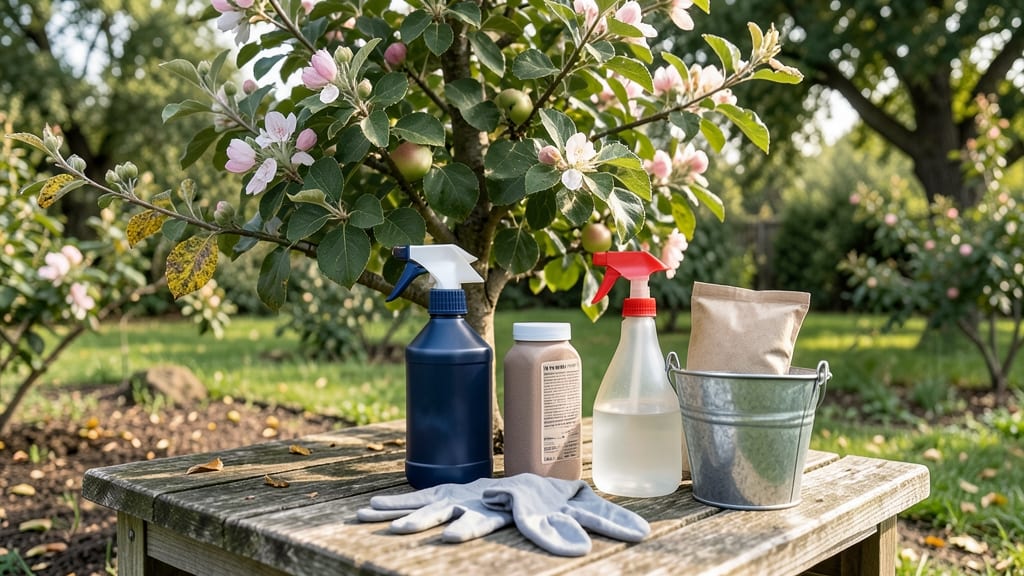
To apply copper fungicide to fruit trees effectively, time it before bud break in early spring to stop fungal spores from activating, then follow up with 7–14-day intervals during wet conditions or after rain. Skip spraying when flowers are open to avoid harming bees and other pollinators.
Copper fungicide works best when applied at the right growth stage—think of it as a shield against fungal spores that lie dormant in winter. 🌱 The key is catching them before they germinate, which is why early spring timing (just as buds swell but before leaves appear) is critical.
For instance, if you're dealing with fire blight, you'll want to start applications 2–3 weeks before blooms open to prevent bacterial infections from taking hold. Once blooms appear, copper can damage pollen, so hold off until after flowering if possible.
Weather plays a huge role too—copper needs moisture to activate, but too much rain can wash it away. Morning applications on calm days give the fungicide time to dry before afternoon humidity kicks in.
I always check the forecast and aim for 5–7 days of dry weather after each spray to maximize protection. For organic growers, pairing copper with baking soda sprays during wet seasons can boost effectiveness without overloading the soil.
💡 In This Article
- Copper Fungicide Timing by Fruit Tree Disease Lifecycle
- Weather and Seasonal Adjustments for Copper Spray Schedules
Copper fungicide timing by fruit tree disease lifecycle
Copper fungicide works by disrupting fungal cell membranes, but its effectiveness hinges on applying it when spores are most vulnerable—typically during the dormant season or early spring before buds break.
For example, fire blight (caused by Erwinia amylovora) thrives when temperatures rise above 50°F and moisture lingers, so copper should be applied 2–4 weeks before bloom to prevent bacterial entry through flower wounds. 🌿 The fungicide creates a protective film that prevents spores from germinating, but once blooms open, copper can harm pollen viability, reducing fruit set by up to 30%.
With powdery mildew (common on apples and peaches), timing shifts to late spring when new leaves emerge. The fungus spreads rapidly in 70–80°F temperatures with high humidity, so copper sprays should start at 50% leaf unfurling and repeat every 10–14 days until harvest.
Unlike fire blight, powdery mildew spores don’t need rain to activate, making copper’s contact action critical—it must coat leaves thoroughly to prevent spore germination.
For anthracnose (a persistent fungal disease on stone fruits), the window narrows to spring leaf-out and summer rain events. Copper’s copper ions bind to fungal cell walls, but rain can wash it off within 48 hours, so reapplication is key after storms.
A study from the University of California found that three preventive sprays at 7-day intervals reduced anthracnose severity by 65% compared to no treatment.
Harvest season is a no-go for copper—residues can linger on fruit for up to 14 days, posing risks for human consumption. Always check your fungicide’s label for pre-harvest intervals (typically 14–21 days for most copper formulations).
For organic growers, switching to neem oil or potassium bicarbonate in late summer can maintain disease control without harvest restrictions.
Pro tip: Use a surfactant (like horticultural oil) with copper sprays to improve leaf adhesion.
The oil helps the fungicide spread evenly, especially on glossy leaves like those of peach or plum trees, where water beading can reduce coverage. 💫 This combo can cut disease incidence by 20–30% compared to copper alone.
Remember, copper isn’t a cure-all—it’s a preventive tool. For existing infections, combine it with pruning out infected branches and sterilizing tools with 70% alcohol to break the disease cycle. The goal is to starve fungal spores before they get a foothold.