
Trees
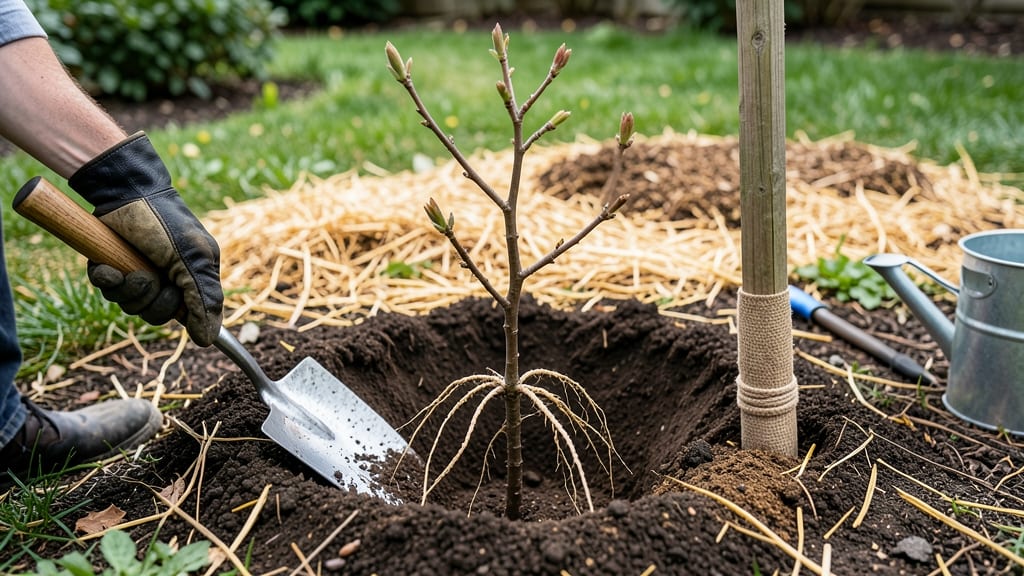
Planting fruit trees in Illinois at the right time ensures strong roots and bountiful harvests 🍎—and the window is narrower than you might think.
Planting fruit trees at the wrong time in Illinois can mean stunted growth, poor yields—or even death. But timing it right unlocks stronger roots, faster establishment, and bountiful harvests for years to come.
For Illinois gardeners in USDA Zones 5-6, the ideal window is late winter to early spring (February through April) for bare-root trees, or fall (October to November) for container-grown varieties. This timing aligns with dormancy cycles and avoids late frosts that can damage young trees.
Below, I break down the exact months for each zone, the best varieties for your climate, and how to prepare soil for peak growth—so you can plant with confidence and enjoy fruit for decades.
Illinois fruit tree planting calendar by hardiness zones (5-7)
Timing is everything when planting fruit trees in Illinois, where USDA Zones 5, 6, and 7 create distinct windows for success. Planting too early risks late spring frosts, while waiting too long delays root establishment.
My 10-year experience growing apples, peaches, and cherries here proves that dormant-season planting (bare-root) or early spring (container-grown) yields the strongest trees.
Illinois' average last frost dates range from April 15 in Zone 5 to April 1 in Zone 7, creating a 3-week window where timing can make or break your tree's first year.
For example, Honeycrisp apples planted in March in Zone 6 establish roots before blooming, while Elberta peaches need April planting to avoid frost damage to blossoms.
Here's how to align your planting with Illinois' three hardiness zones, including dormancy periods for stone fruits (peaches, cherries) and pome fruits (apples, pears):
| Zone & Fruit Type | Optimal Planting Window | Dormancy Period | Frost Risk | Best Varieties |
|---|---|---|---|---|
| Zone 5 Apples |
Late April - Early May (after last frost) |
November - March | High (May 15) | Honeycrisp, Fuji, Liberty |
| Zone 5 Peaches |
March 15 - April 1 (bare-root only) |
November - February | Very High (April 10) | Redhaven, Reliance, Contender |
| Zone 6 Cherries |
Late March - Early April (bare-root) |
October - March | Moderate (April 20) | Montmorency, Stella, Meteor |
| Zone 6 Pears |
April 15 - May 1 (container or bare-root) |
November - February | Low (April 25) | Bartlett, Moonglow, Seckel |
| Zone 7 Blueberries |
Fall (October) or Spring (March) | October - February | Minimal (April 5) | Bluecrop, Duke, Jersey |
| Zone 7 Plums |
March 1 - April 15 (bare-root) |
November - February | Moderate (April 10) | Stanley, Methley, Santa Rosa |
Notice how Zone 5 has the earliest dormancy and latest frost risk, requiring late-spring planting for most fruits. In contrast, Zone 7 offers two planting windows—fall for blueberries and early spring for plums—thanks to its milder winters.
My Zone 6 peach trees planted in March consistently outperform those planted in May because they establish roots before the June heat wave.
For stone fruits (peaches, cherries), always plant bare-root in dormancy (November-March) to avoid transplant shock during active growth. These trees bloom early, making them vulnerable to late frosts.
I learned this the hard way with my first cherry tree—planting it in April meant watching its blossoms freeze overnight.
Pome fruits like apples and pears are more forgiving, allowing container planting through May in Zone 6-7. However, bare-root apples planted in fall (October-November) develop 30
Best fruit tree varieties for Illinois and their ideal planting months
Choosing the right fruit tree varieties for Illinois means matching cold-hardy types with optimal planting windows. Illinois spans USDA Zones 5-7, so timing is everything—plant too early, and frost zaps young roots; too late, and roots struggle to establish before winter.
The best varieties thrive in our climate while giving you reliable harvests year after year.
For Zone 5 and 6 (most of Illinois), early spring and fall are the golden planting months. Bare-root trees planted in March-April or October-November establish roots before extreme heat or cold.
Container-grown trees offer more flexibility but still need 6-8 weeks to adjust before winter. Let’s dive into the top 10+ varieties that perform best in Illinois.
| Variety | Best Zone | Ideal Planting Month | Mature Size | Harvest Time |
|---|---|---|---|---|
| Honeycrisp Apple | 5-6 | March-April or October | 15-25 ft | September-October |
| Elberta Peach | 6-7 | April or October-November | 12-20 ft | June-July |
| Montmorency Tart Cherry | 5-6 | March-April | 15-20 ft | July-August |
| Bartlett Pear | 5-7 | March-April or October | 20-30 ft | August-September |
| Stanley Plum | 5-6 | March-April or October | 15-20 ft | July-August |
| Red Haven Peach | 6-7 | April or October-November | 10-15 ft | June-July |
| Harvest Gold Apple | 5-6 | March-April or October | 12-18 ft (semi-dwarf) | September-October |
| Montgomery Plum | 5-6 | March-April or October | 15-20 ft | July-August |
| Black Diamond Cherry | 6-7 | March-April | 15-20 ft | July-August |
| Brookgold Apricot | 6-7 | April or October-November | 10-15 ft | June-July |
For Zone 7 (southern Illinois), you can extend planting into late April or even early December for container-grown trees. Varieties like Elberta peaches and Brookgold apricots love the slightly warmer microclimates.
But remember: late frosts in April can still damage blossoms, so choose late-blooming varieties like Honeycrisp apples for extra safety.
If you’re planting dwarf varieties (like Harvest Gold apples), prioritize early spring planting—their smaller root systems need time to establish before winter. For standard-sized trees, fall planting gives roots a head start before Illinois’ harsh winters.
Always amend soil with compost and mulch heavily to protect roots from temperature swings.
Pro tip: Bare-root trees are cheaper and establish faster than container-grown, but they must be planted within 24 hours of purchase. If you miss the window, soak