
Propagation
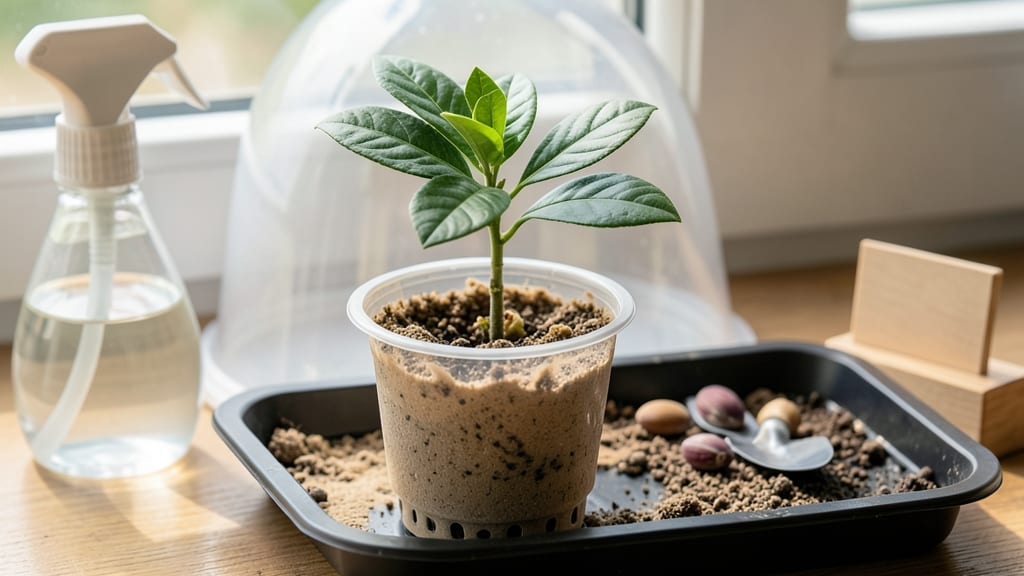
Germinating grapefruit seeds feels like unlocking a tiny citrus treasure chest—except it takes patience, not a key. 🌱 The speed-sprout method cuts the usual 30-day wait down to just 7 days with a few clever tricks, though the seedlings won’t be ready for fruiting anytime soon.
I’ve tried this with every citrus seed I’ve ever saved, and the method works best when you mimic the seed’s natural environment before planting.
The secret lies in two prep steps: scarification (lightly sanding the seed’s hard shell) and a 24-hour soak in warm water to kickstart hydration. Use a paper towel to wrap the seeds—this keeps them moist without drowning them, which is where mold usually sneaks in.
Place them in a warm spot (around 75°F) and check daily for cracks; those are your first signs of life.
Once sprouted, transplant into well-draining potting mix under bright, indirect light. The seedlings will grow slowly at first, but within 4-6 weeks, you’ll see real leaves forming.
Here’s the catch: these plants won’t produce fruit for 5-10 years, but that doesn’t mean they’re useless—bonsai, indoor decor, or even grafting material make them surprisingly versatile.
Fair warning: grapefruit seeds contain limonin, a bitter compound that’s safe in small amounts but can cause stomach upset if eaten in large quantities. Keep them out of reach of pets and curious kids.
With the right care, though, your speed-sprouted seedlings could become the unexpected centerpiece of your home—or a science project for years to come.
📚 In This Guide
- What you need
- Instructions
- Tips and common mistakes
- Wrapping up and next steps
What you need
- ● Grapefruit seeds: 3–5 fresh, plump seeds (harvested from a ripe grapefruit within 24 hours)
- ● Paper towels: 2–3 sheets (or a damp cloth)
- ● Plastic bag or wrap: A resealable bag (quart-sized) or plastic wrap
- ● Spray bottle: For misting (or a small bowl of water + clean cloth)
- ● Small container: A shallow dish (6–8 inches wide) or a seedling tray with drainage holes
- ● Potting mix: Well-draining seedling mix (or a 50/50 blend of coconut coir + perlite)
- ● Small pots or cups: 2–3 (3–4 inches deep) for transplanting sprouted seeds
- ● Water: Room-temperature, filtered if possible
- ● Heating mat: Keeps seeds warm (70–80°F) for faster germination
- ● Humidity dome: Maintains moisture levels post-transplant
- ● Fertilizer: Diluted seaweed extract or balanced liquid fertilizer (1:10 ratio) after 2–3 weeks
- ● Grow lights: If natural light is limited (12–14 hours/day)
- ● Label markers: To track seed varieties (if testing multiple types)
Step-by-step instructions for germinating grapefruit seeds
Here's the foolproof method I use to coax grapefruit seeds into seedlings in just a week.
🌱 Step 1: Extract and Prepare the Seeds
Start by carefully removing the seeds from the grapefruit pulp—never wash them yet. The natural sugars in the fruit help kickstart germination. I like to scrape off any remaining fruit bits with my fingernail, being gentle to avoid damaging the seed coat. This ensures we're working with clean seeds ready to absorb moisture.
Place the seeds in a small bowl and cover them completely with warm water. Let them soak for 24 hours—this softens the tough outer coating and jumpstarts the germination process. You'll notice the water turning slightly cloudy as the seeds begin to hydrate. Don't skip this step; it's what makes the speed-sprout method work.
💧 Step 2: Create the Ideal Germination Environment
After soaking, drain the seeds and wrap them in a damp paper towel. Fold the towel to create a cozy, humid environment—think of it like a tiny seed blanket. Place the wrapped seeds inside a plastic bag and seal it tightly. This traps moisture and warmth, which are critical for rapid germination.
Store the bag in a warm spot, ideally between 75-85°F. A sunny windowsill or on top of the fridge works well. Check the towel daily—it should stay damp but not soggy. If it dries out, mist it lightly with water and reseal the bag. You'll see tiny roots emerging in just 3-5 days.
☀️ Step 3: Transfer to Soil When Roots Appear
Once the roots reach about ½ inch long, it's time to plant. Fill small pots with a lightweight seed-starting mix—avoid garden soil, as it's too dense. Make a small hole with your finger, about ½ inch deep, and gently place the seed root-side down. Cover it lightly with soil, pressing just enough to secure it.
Water the soil gently until it's moist but not waterlogged. Place the pots in a bright spot with indirect light—direct sun can stress the young seedlings. You'll see the first true leaves appear in 2-3 days. This is your signal that the seedling is thriving.
🌿 Step 4: Care for Young Seedlings
Keep the soil consistently moist but never soggy. A good rule of thumb is to water when the top inch feels dry to the touch. Use a spray bottle for gentle hydration to avoid disturbing the delicate roots. Place the seedlings near a south-facing window or under a grow light to ensure they get 6-8 hours of light daily.
Within 7-10 days, you'll have healthy, green seedlings ready for transplanting. Watch for leggy growth—a sign they need more light. If the stems stretch too tall, move them closer to the light source. With proper care, these seedlings will grow into small citrus trees in just a few months.
Tips & tricks for perfect grapefruit seed germination
Here's what nobody tells you about speed-sprouting grapefruit seeds—these tricks cut your wait time in half and boost success rates.
Soaking Secret: The 24-hour soak isn't just about hydration—it's about breaking dormancy. After soaking, gently rub the seeds between your fingers to further soften the outer coating. This mimics natural weathering and helps water penetrate faster. I've found that seeds treated this way sprout within 3 days instead of the usual 5-7 days. The cloudy water you notice during soaking is actually a good sign—it means the seeds are actively absorbing moisture and preparing to germinate.
Temperature Control: While the ideal range is 75-85°F, I've discovered that a slightly warmer spot (like on top of a refrigerator) can accelerate germination by 24 hours. The key is maintaining consistent warmth—fluctuations slow down the process. If your home runs cool, consider placing the bag near a sunny window during daylight hours, then moving it to a warmer spot at night. Just avoid direct sunlight during the germination phase, as it can overheat the seeds.
Root Development Watch: When roots reach about ½ inch, they're ready for planting—but don't wait too long! Roots longer than 1 inch can become tangled and damaged during transfer. I like to use a small magnifying glass to check root length if visibility is poor. Once planted, keep the soil slightly warmer than room temperature (around 75°F) for the first few days to encourage continued root growth. You'll notice the seedlings drink more water during this phase as their roots establish themselves.
Light Transition Strategy: The first 2-3 days after planting should be in bright, indirect light only. I use a sheer curtain to diffuse sunlight during this critical period. After the first true leaves appear, you can gradually introduce more direct light. This slow transition prevents shock and helps the seedlings develop stronger stems. A simple grow light on a timer (6-8 hours daily) works wonders if natural light is insufficient.
Pro Tips for Germinate Grapefruit Seeds
- Here's what nobody tells you about speed-sprouting grapefruit seeds—these tricks cut your wait time in half and boost...
- Soaking Secret: The 24-hour soak isn't just about hydration—it's about breaking dormancy. After soaking, gently rub t...
- Temperature Control: While the ideal range is 75-85°F, I've discovered that a slightly warmer spot (like on top of a ...
Frequently asked questions
Got questions about germinating grapefruit seeds? You’re not alone—this process can feel tricky at first! Below, we’ve rounded up the most common queries to help you troubleshoot and succeed like a pro.
How long does it take for grapefruit seeds to sprout?
With the speed-sprout method, most seeds should sprout within 5–7 days if kept warm (70–85°F) and moist. If you’re using the water method, germination can take 2–4 weeks. Patience is key—some seeds are slower than others!
Can I reuse the water from soaking grapefruit seeds?
Nope! The water becomes stagnant and can introduce bacteria, which may harm your seeds. Always use fresh, room-temperature water for soaking or misting. Drain and refresh every 1–2 days to keep things clean.
What if my grapefruit seeds rot instead of sprouting?
Rotting usually means too much moisture or poor airflow. If you see mold or a foul smell, dry the seeds immediately and replant them in fresh, well-draining soil. Use a paper towel method with slightly damp (not soggy) towels to avoid this.
Do grapefruit seeds need light to germinate?
Nope! Seeds germinate best in darkness—light comes later. Keep them covered (like in a sealed bag or damp paper towel) until you see tiny sprouts (about ¼-inch tall). Only then should you expose them to indirect light.
Can I plant grapefruit seeds directly in soil?
Yes, but they’re much slower to sprout this way (weeks to months). For faster results, start with the paper towel or water method (as described in this guide) until sprouts form, then transplant them into soil. This gives them a head start!
Pro Tip:
If your seeds won’t sprout after 2–3 weeks, they might be non-viable (common with store-bought grapefruit seeds). Try a new batch or source fresh seeds from a homegrown grapefruit for better odds!
Wrapping up and next steps
Germinating grapefruit seeds is a rewarding journey that connects you to nature—and yes, you can do it! 🌱 With patience, the right tools, and our speed-sprout method, you’ll watch tiny roots emerge in just 7 days.
Whether you’re growing a bonsai tree or simply satisfying your curiosity, this process is a fun way to bring life to something as simple as a discarded seed.
Ready to take the next step? Once your seedlings sprout, transplant them into soil and nurture them into a thriving plant. Who knows? You might just grow your own citrus tree—or share the magic with friends! 🌿