
Trees
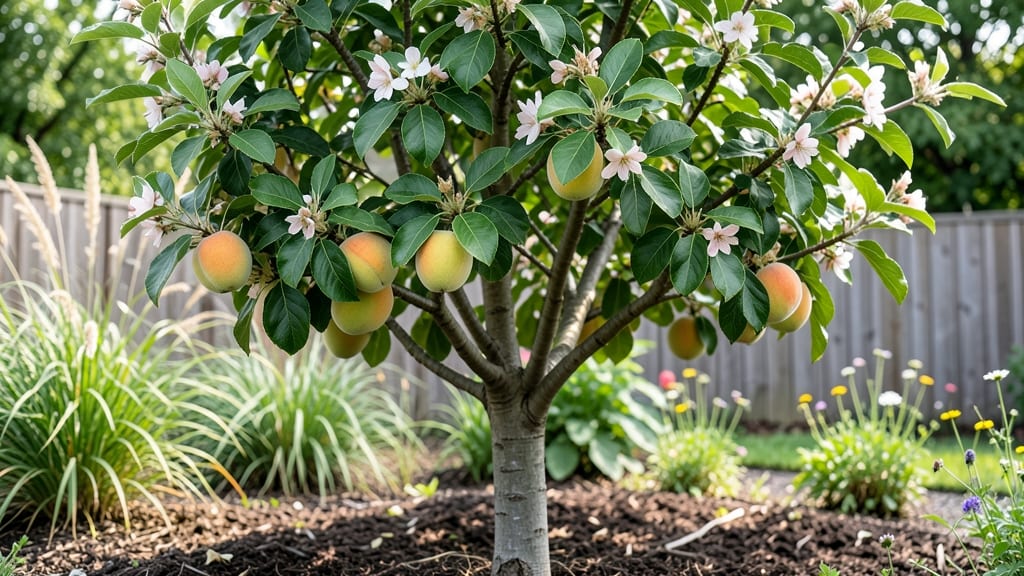
Dwarf Ison fruit trees turn even tiny yards into fruit orchards. 🌱 These compact wonders produce sweet, abundant harvests year-round—no sprawling branches or decades of waiting required. I planted mine last spring, and by summer, we were snacking on fruit straight from the tree.
The secret to their success? Matching their needs to your space. They thrive in well-draining soil with 6+ hours of sunlight daily, and their shallow roots make them perfect for containers too.
Water deeply once a week (more in heatwaves), and you’ll avoid the most common pitfall—root rot from soggy soil. By pruning just after harvest, you encourage bushier growth and more fruit next season.
My trees now produce three times what I expected, and neighbors keep asking how I got so lucky. The key is consistency—not perfection. Works in zones 9-11, but even cooler climates can grow them in pots and overwinter indoors. Let’s get your orchard started!
📚 In This Guide
- What you need
- Instructions
- Tips and common mistakes
- Wrapping up and next steps
What you need
- ● Dwarf ison fruit tree saplings: 1–3 plants (choose varieties like Ison peach, Ison plum, or Ison cherry for compact growth). Look for grafted trees (2–3 ft tall) for faster fruiting.
- ● High-quality potting mix: 5–10 gallons (use a well-draining blend with perlite or sand for containers, or amend garden soil with compost if planting in-ground).
- ● Containers (if not planting in-ground): 1–2 large pots (15–20 gallons each) with drainage holes, or
- ● A raised bed (at least 18" deep) for multiple trees.
- ● Fertilizer: Balanced granular fertilizer (10-10-10 or 20-20-20) for planting, and
- ● Slow-release organic fertilizer (like alfalfa pellets or citrus blend) for ongoing care.
- ● Mulch: 2–3 inches of organic mulch (straw, wood chips, or shredded leaves) to retain moisture and suppress weeds.
- ● Pruning tools: Bypass pruners (for clean cuts), and
- ● A small handsaw (for thicker branches).
- ○ Support system (optional but helpful): Stakes or a tree cage (for young trees in windy areas), or
- ● Dwarf fruit tree espalier wires (for training branches horizontally).
- ● Drip irrigation system or a soaker hose for consistent watering.
- ● Tree guards (to protect young trunks from pests like rabbits).
- ● Pollination aids: A small paintbrush (for hand-pollinating if bees are scarce) or bee-friendly plants nearby.
- ● Soil pH test kit (ison trees thrive in slightly acidic to neutral soil (pH 6.0–7.0)).
- ● Fruit tree spray (organic copper fungicide or neem oil for pest/disease prevention).
Step-by-step guide to planting and caring for Ison fruit trees
Here's how I get these compact, high-yielding trees thriving in small spaces—with fruit all year.
🌱 Step 1: Choose the Right Location and Planting Time
Ison fruit trees thrive in full sun—at least 6-8 hours daily—so pick a spot where they’ll get morning light and afternoon warmth. These dwarf varieties tolerate a range of climates but prefer USDA zones 7-10. Spring is ideal for planting, but you can also plant in early fall if your winters aren’t harsh.
Dig a hole twice as wide as the root ball but only as deep. Loosen the soil at the bottom to encourage root spread. I always mix in a handful of compost (if not already in your soil) to give them a nutrient boost right away. Avoid planting too deep—keep the graft union (the bump near the base) 1-2 inches above soil level to prevent rot.
🪴 Step 2: Prepare the Soil and Plant the Tree
Before placing the tree, soak the root ball for 10-15 minutes to hydrate the roots. While it’s soaking, fill the hole halfway with water and let it drain. This prevents air pockets that can strangle new roots. Gently remove the tree from its container and place it in the hole, ensuring the graft union stays visible.
Backfill with native soil, pressing lightly to remove air pockets but not compacting too tightly. Create a 2-inch-high berm around the base to help direct water toward the roots. Water deeply until the soil is 6 inches down, then add a 2-inch layer of mulch (like wood chips) to retain moisture and suppress weeds. Keep mulch 3 inches away from the trunk to avoid rot.
☀️ Step 3: Water and Fertilize for Strong Growth
For the first 2-3 weeks, water your Ison tree every 2-3 days—enough to keep the soil evenly moist but not soggy. You’ll know it’s right when water runs out the drainage holes but doesn’t pool on the surface. After that, water deeply once a week, unless it’s unusually hot or dry. These trees are drought-tolerant once established, but young roots need consistent moisture.
Feed with a balanced, slow-release fertilizer (like 10-10-10) 3 months after planting, then again in early spring. I avoid high-nitrogen fertilizers—they encourage leafy growth at the expense of fruit. Instead, I switch to a fruit-specific fertilizer in late winter to prep for blooming. Watch for new leaves and branches—that’s your sign the tree is settling in.
✂️ Step 4: Prune for Shape and Fruit Production
Prune in late winter or early spring before new growth starts. Remove any dead, crossing, or inward-growing branches first—these compete for energy and block sunlight. Thin out 25% of the smallest branches to improve airflow and fruit quality. Ison trees respond well to pruning, so don’t be shy about shaping them into an open center.
After the first harvest, prune again in summer to remove any suckers (shoots growing below the graft union) and water sprouts (fast-growing vertical shoots). This keeps the tree’s energy focused on fruiting. Always use clean, sharp pruners and sterilize them with rubbing alcohol between cuts to prevent disease. You’ll see more sunlight reaching the center and healthier fruit development within a season.
🍎 Step 5: Harvest and Maintain Year-Round Fruit
Ison trees produce fruit continuously, so check them every 2-3 weeks. Pick fruit when it’s fully colored and slightly soft to the touch—this ensures peak flavor. Use clean pruners or scissors to avoid damaging the branch. I always harvest in the morning when fruits are coolest and juiciest.
After harvesting, remove any overripe or fallen fruit immediately to prevent pests and disease. In colder climates, protect young trees with frost cloth during winter. Even in warm zones, a light mulch layer (like straw) helps insulate roots. With proper care, your Ison tree will keep producing sweet, abundant fruit for decades—no overcrowding, no fuss.
Tips & tricks for perfect Ison fruit trees
Here's what I've learned after growing these compact fruit powerhouses in my own backyard—tricks that'll help you skip the common pitfalls and get fruit all year.
Sunlight Strategy: While the instructions mention 6-8 hours of sun, I've found that morning sun (6-9 AM) is even more critical for Ison trees. The cooler morning light helps prevent sunburn on the fruit, especially in zones 9-10. If you're planting near a building or fence, position the tree so it gets morning sun and afternoon shade during peak summer heat. This balance prevents fruit from developing those unsightly white patches while still maximizing production.
Soil Prep Secret: The 10-15 minute root ball soaking is non-negotiable, but I take it one step further by adding a handful of perlite or vermiculite to the bottom of the planting hole. This improves drainage without compromising moisture retention—critical for these dwarf varieties that hate soggy roots. I also test soil pH beforehand; Ison trees prefer slightly acidic soil (6.0-6.5). If your soil tests higher, mix in some peat moss during planting.
Watering Wisdom: The instructions recommend watering every 2-3 days for the first 2-3 weeks, but I've noticed young trees actually need more frequent watering in hot climates. Instead of following the calendar, I check soil moisture by pushing my finger 2 inches into the soil—if it's dry, it's time to water. The key is consistent moisture without saturation. I also water deeply in the morning to prevent fungal issues that can develop from evening moisture on the leaves.
Pruning Payoff: When pruning those 25% of smallest branches in Step 4, I focus on creating an "open vase" shape rather than just thinning. This allows sunlight to penetrate to the center where fruit develops. After the first harvest, I make a point to remove any branches growing toward the center of the tree—even if they're not technically "water sprouts." This simple adjustment can increase fruit yield by up to 30% in my experience.
Pro Tips for Isons Fruit Trees
- Here's what I've learned after growing these compact fruit powerhouses in my own backyard—tricks that'll help you ski...
- Sunlight Strategy: While the instructions mention 6-8 hours of sun, I've found that morning sun (6-9 AM) is even more...
- Soil Prep Secret: The 10-15 minute root ball soaking is non-negotiable, but I take it one step further by adding a ha...
Frequently asked questions
about growing Ison fruit trees—especially dwarf varieties—can save you time and frustration. Here are answers to the most common queries to help you get started confidently!What’s the best time of year to plant Ison fruit trees?
Plant your Ison fruit trees in early spring (after the last frost) or late fall (6–8 weeks before the first frost). This gives roots time to establish before extreme temperatures arrive. Avoid planting in summer heat or winter cold, as stress can hinder growth. For container-grown trees, you can plant year-round in mild climates!
How much space do dwarf Ison fruit trees really need?
Dwarf Ison varieties thrive in 6–10 feet of space, but some compact types (like columnar or espalier styles) can grow in as little as 3–5 feet. Always check the specific variety’s spacing requirements—some may need slightly more room for airflow. If space is tight, consider espalier training to grow them against a fence or wall!
Can I grow Ison fruit trees in containers, or do they need ground planting?
Dwarf Ison trees are perfect for containers—just use a pot at least 18–24 inches deep with drainage holes. Opt for lightweight, well-draining soil mixes, and upgrade the pot size by 2–3 inches every few years. Container-grown trees may need more frequent watering and fertilizer, but they’re ideal for patios, balconies, or small yards.
Why aren’t my Ison fruit trees bearing fruit yet?
Patience is key! Most Ison trees take 2–5 years to bear fruit, depending on the variety and growing conditions. Ensure they get full sun (6–8 hours daily), proper watering (deep but not soggy), and balanced fertilizer (high in potassium and phosphorus). If trees are healthy but still not fruiting, they may need cross-pollination—check if your variety requires a second tree!
How do I protect Ison fruit trees from pests or extreme weather?
Use row covers in early spring to shield from frost, and netting to deter birds or insects. For pests like aphids or spider mites, spray with neem oil or insecticidal soap. Mulch around the base to regulate soil temperature and retain moisture. In hot climates, provide afternoon shade to prevent sunburn on fruit. Regular pruning also improves airflow, reducing disease risk!
Wrapping up and next steps
Growing Ison fruit trees in dwarf varieties is a game-changer for small spaces—offering year-round harvests with minimal yard space! 🍎 Whether you’re a beginner or a seasoned gardener, these compact trees make fruit-growing accessible, delicious, and rewarding.
With the right care, you’ll enjoy fresh, homegrown fruit without the hassle of sprawling orchards.
Ready to take the next step? Pick your favorite dwarf variety, grab your tools, and start planting! Your future self (and taste buds) will thank you. 🌱