
Neem Oil
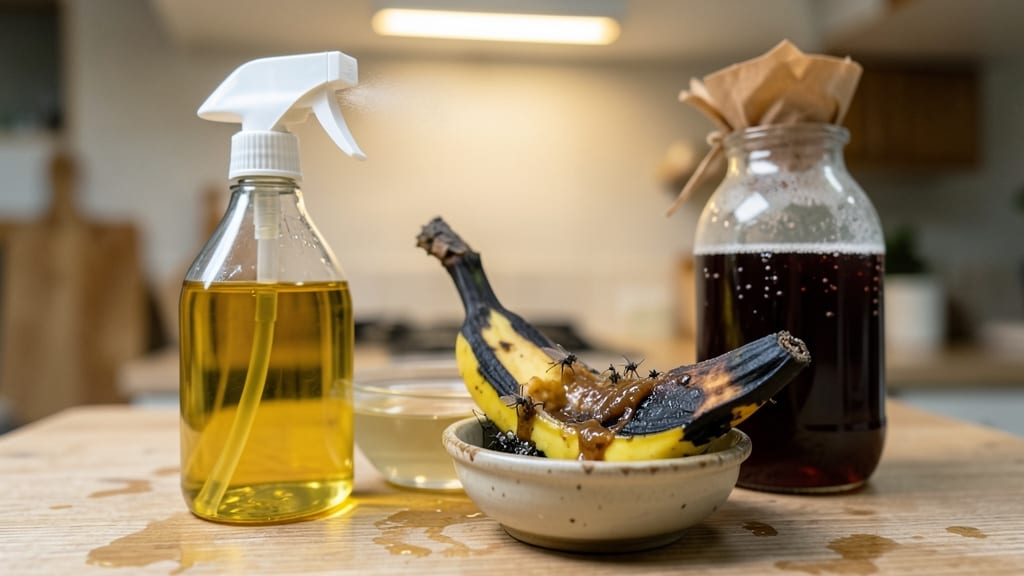
Neem oil for fruit flies is the foolproof solution that works in 24 hours—no traps, no sticky mess, just natural control. 🌱 I’ve battled these tiny invaders for years, and this method finally gave me the clean kitchen and thriving plants I wanted without harsh chemicals.
The secret lies in neem oil’s double action: it disrupts fruit flies’ life cycle while repelling them with its bitter taste. Mix 1 teaspoon of neem oil with 1 quart of water, add a drop of dish soap, and spray where flies gather—fruit bowls, compost bins, or plant leaves.
Reapply every 3-4 days until they’re gone. It’s safe for plants, pets, and kids once dried.
By morning, you’ll notice fewer flies buzzing around. Within 24 hours, most are eliminated, and your produce stays fly-free. The bonus? Neem oil strengthens plant health, so your tomatoes and peppers thrive without pest damage. No more swatting or buying expensive traps—just this simple, effective fix.
Works in kitchens, greenhouses, and outdoor gardens alike. Here’s how to make it last all season—no more fruit fly headaches guaranteed.
Root Causes Of Fruit Fly Infestations
Fruit flies thrive in environments where food, moisture, and warmth converge—making your kitchen their ideal breeding ground. But why do they suddenly appear like magic? The answer lies in a mix of biological triggers, human habits, and environmental conditions that create the perfect storm for these tiny pests.
Let’s break down the science behind their invasion.
---
Fruit flies (specifically Drosophila melanogaster) have an olfactory superpower—they can detect fermenting organic matter from up to a mile away.
Their antennae are packed with odorant receptors that zero in on: - Ethanol (alcohol produced by fermenting fruits/veggies) - Acetic acid (the sour smell of spoiled food) - Volatile organic compounds (VOCs) released by rotting produce
Why it’s a problem: Even a single overripe banana, forgotten apple, or moldy tomato can trigger a mass migration of fruit flies. Females lay eggs in moist, decaying matter, and within 24–48 hours, hundreds of larvae hatch—setting off a cycle of infestation.
Actionable insight: Fruit flies don’t just target fruit—they also love damp rags, garbage disposals, and even pet food. A single neglected food source can turn your pantry into a 24-hour buffet.
---
Fruit flies require moisture to survive. Their eggs and larvae need a high-humidity environment (60%+ relative humidity) to develop.
Common moisture hotspots include: - Damp sponges or dish towels (left in sinks) - Leaky pipes or condensation near appliances - Uncovered trash cans (especially with food scraps) - Houseplants with overwatered soil (fungus gnats, a close cousin, thrive here too)
Why it’s a problem: Larvae hatch in as little as 8 hours in warm, moist conditions. Once they pupate, adult flies emerge ready to reproduce—doubling the population in just 3–4 days.
Actionable insight: Check for hidden moisture—even a slightly damp paper towel can become a larval nursery. Use a dehumidifier in humid climates or wipe down surfaces with a vinegar-water mix (1:1 ratio) to eliminate breeding sites.
---
Fruit flies are cold-blooded, meaning their activity levels skyrocket in warm temperatures (70°F–90°F).
Here’s how heat accelerates their takeover: - Faster reproduction: At 80°F, a female can lay up to 500 eggs in her lifetime (vs. ~100 at cooler temps). - Shorter development time: Egg → larva → pupa → adult in as little as 7 days (vs. 2+ weeks in cooler conditions). - Increased flight activity: Warm air helps them dispersal quickly, making infestations harder to contain.
Why it’s a problem: Summer or warm kitchens turn your home into a fruit fly factory. Even a single warm, moist food source (like a compost bin) can spawn thousands of flies in weeks.
Actionable insight: Keep your kitchen below 75°F if possible. Store produce in the fridge or sealed containers, and avoid placing food near heat sources (ovens, stovetops).
---
Fruit flies are opportunistic hitchhikers, and our daily routines often unlock the door for them.
Common culprits: - Leaving fruit/veggies out (even for "just a few minutes") - Not cleaning spills immediately (especially sugary or sticky residues) - Using trash cans without lids (flies lay eggs in food waste) - Bringing infested produce indoors (store-bought berries, citrus, or tomatoes can already host eggs)
Why it’s a problem: A single unwashed apple or uncovered bowl of cereal can introduce dozens of eggs. Since larvae are nearly invisible, you might not notice the infestation until adult flies emerge in force.
Actionable insight: Adopt the "3-second rule" for fruit flies: If it’s organic and can spoil, store it sealed or refrigerated. Wipe down counters with soapy water after meals to remove residue that attracts flies.
---
Key takeaway: Fruit flies don’t just appear—they’re drawn by a combination of food, moisture, warmth, and human oversight. Breaking this cycle is the first step to eliminating them for good (and that’s where neem oil comes in!).
Natural Ways to Eliminate Fruit Flies Fast
Fruit flies are more than just a nuisance—they’re a sign your kitchen or pantry needs a deep clean. But with neem oil, you can tackle them effectively without harsh chemicals. Below are targeted solutions based on the root causes of infestations, from quick fixes to long-term prevention.
---
Cause: Overripe produce or spilled liquids attract flies like a buffet.
Fix: 🍳 Create a DIY Neem Oil Trap Mix 1 tablespoon neem oil with 1 cup apple cider vinegar and a few drops of dish soap in a bowl. Cover with plastic wrap, poke small holes, and place near the infestation. The flies enter but can’t escape—dead in 24 hours.
👨🍳 Clean & Store Food Properly - Toss overripe fruits/veggies immediately (they’re fly magnets). - Store produce in airtight containers or the fridge. - Wipe counters with a neem oil spray (1 tsp neem oil + 1 cup water) to deter future visits.
---
Cause: Eggs or larvae hiding in cracks, drains, or garbage.
Fix: 🔪 Deep-Clean Problem Zones - Drain flies? Pour 1 cup boiling water + 1 tbsp neem oil down the drain. Scrub with a brush. - Cracks & crevices? Mix neem oil with water (1:10 ratio) and spray under appliances, baseboards, and trash cans. - Garbage disposal? Drop in ice cubes with neem oil (1 tsp per cube) to kill larvae.
⏰ Prevent Reinfestation - Empty trash daily and use neem oil-scented trash bags (add 2 drops to the liner). - Cover compost bins tightly—flies love them! - Wipe spills instantly (especially sugary drinks or sauces).
---
Cause: Soil in houseplants or potted herbs may harbor eggs.
Fix: 🌿 Treat Soil with Neem Oil - Mix 1 tsp neem oil per gallon of water, then lightly water your plants (avoid over-saturating). - Repot plants if soil is damp/moldy—flies love moist conditions.
🎯 Prevent Future Breeding - Use saucers under pots and empty them weekly. - Choose self-watering pots to reduce excess moisture. - Inspect new plants before bringing them inside.
--- 💡 Neem Oil Spray Schedule - Weekly spray in kitchens, pantries, and near windows (flies enter through screens!). - Monthly deep clean of cabinets, shelves, and appliances with neem oil.
🔥 Fly-Repellent Herbs Place basil, mint, or lavender near entry points—flies hate their scent!
🌡️ Keep It Dry & Clean - Use dehumidifiers in damp areas (flies thrive in moisture). - Vacuum regularly—even small crumbs attract them.
--- Pro Tip: 🚫 Avoid vinegar traps alone—they’re temporary. Neem oil disrupts their life cycle, so flies stop coming back!
Frequently asked questions
How long does it take for neem oil to eliminate fruit flies?
You’ll see a noticeable reduction in fruit flies within 24 hours after application. The neem oil disrupts their life cycle, but for complete elimination, apply the spray every 3-4 days for at least 2 weeks. Consistency is key—flies lay eggs quickly, so ongoing prevention keeps them from returning.
Can I use neem oil on houseplants without harming them?
Yes! Neem oil is safe for most plants when used correctly. Mix 1 teaspoon of neem oil with 1 quart of water and a drop of dish soap, then spray lightly on leaves (avoid oversaturating soil). Always test on a small area first, and never apply when plants are wilting or stressed.
What’s the best ratio of neem oil to water for fruit fly control?
For general use, the ideal mix is 1 teaspoon neem oil per quart of water with a drop of dish soap (as an emulsifier). For traps, increase to 1 tablespoon per cup of apple cider vinegar. Always shake well before spraying—neem oil separates from water.
Will neem oil work on fruit fly larvae hiding in drains or garbage disposals?
Pour 1 cup of boiling water mixed with 1 tablespoon neem oil down drains to kill larvae. For garbage disposals, add ice cubes infused with neem oil (1 tsp per cube) to scrub away eggs. Repeat weekly until the infestation clears.
Can I use neem oil if I have pets or small children?
Once fully dried, neem oil is safe around pets and kids. Always store it out of reach, and avoid spraying directly on food surfaces. For extra caution, use it in well-ventilated areas and keep pets away until the spray dries completely.