
Fertilization
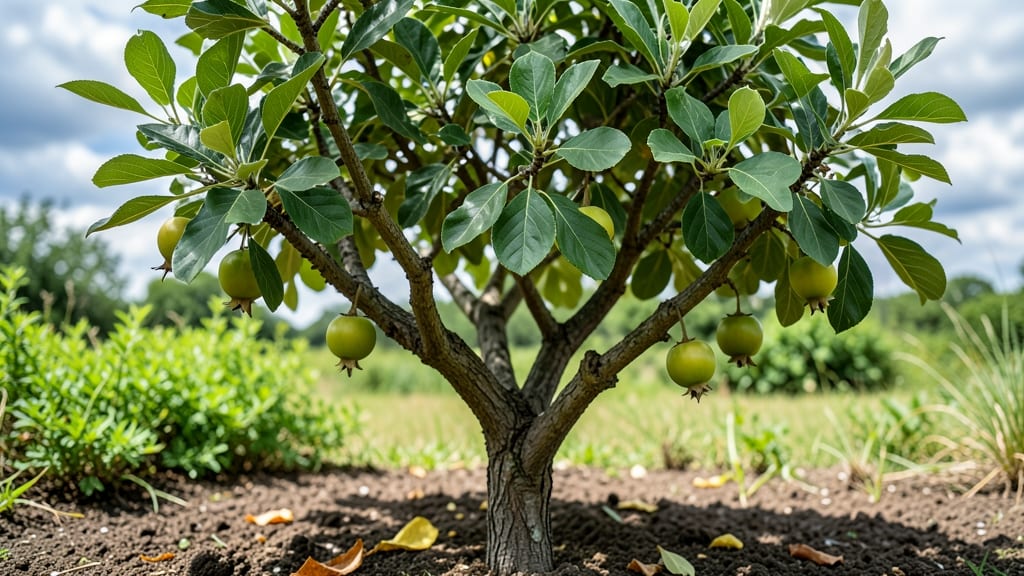
Your persimmon young fruit needs chill hours and precise care to ripen into that perfect, sweet treat. 🍑 I’ve watched my first harvest go from fuzzy green balls to velvety-soft perfection—when you nail the balance of sunlight, water, and patience, the results are worth every effort.
The secret lies in consistent moisture (not soggy soil) and light pruning to encourage airflow—overcrowded branches lead to smaller fruit and more pests. Young persimmons are especially vulnerable to aphids and fungal spots, so I inspect leaves weekly and spray neem oil at the first sign of trouble.
By late summer, you’ll spot the telltale color shift—from green to orange or deep red—meaning ripeness is just weeks away. The fruit’s sugar content skyrockets when it softens like butter, and that’s when you know you’ve done everything right.
Works for both Asian (non-astringent) and American (astringent) varieties—just adjust thinning timing based on your climate. Here’s how to keep them thriving until harvest!
📚 In This Guide
- What you need
- Instructions
- Tips and common mistakes
- Wrapping up and next steps
What you need
- ● Persimmon Trees: 2-3 Diospyros kaki (Astringent variety) or Diospyros virginiana (Non-astringent variety) saplings, aged 1-2 years.
- ● Ensure trees are self-pollinating or plant two compatible varieties within 50 feet for cross-pollination.
- ● Soil: Well-draining, slightly acidic soil (pH 6.0–7.0).
- ● Compost or aged manure (2-3 gallons per planting hole).
- ● Fertilizer: Balanced fertilizer (10-10-10 or 8-3-9) for planting.
- ● Slow-release granular fertilizer (e.g., 13-14-13) for ongoing growth (apply in early spring).
- ● Tools: Shovel and trowel for planting.
- ● Pruning shears (sterilized).
- ● Garden hose with spray nozzle.
- ● Mulch (straw or wood chips, 2-3 inches thick).
- ● Chill Hours: Verify your region’s chill hours (300–1,000 hours below 45°F/7°C). Most persimmons thrive in USDA Zones 5–9.
- ● Sunlight: Full sun (6–8 hours daily) for optimal fruit development.
- ● Water Access: Drip irrigation or soaker hose for consistent moisture (avoid overhead watering).
- ● Patience: Persimmons take 3–5 years to bear fruit! Plan accordingly.
- ● Soil test kit (to check pH and nutrient levels).
- ● Tree guards or fencing (to protect young saplings from pests/deer).
- ● Organic pest control (neem oil, insecticidal soap).
- ● Fruit thinning shears (for managing overproduction in later years).
- ● Grafting tools (if propagating from cuttings).
Step-by-step guide to cultivating persimmon young fruit
Mastering persimmon fruit development starts with chill hours—here’s how to ensure robust young fruit that ripens flawlessly.
🌱 Step 1: Select and Plant Cold-Hardy Varieties
Choose persimmon cultivars suited to your region’s chill hours—most require 200-600 hours below 45°F for proper fruit set. Asian varieties like ‘Fuyu’ need 200-400 hours, while American types such as ‘Meader’ thrive with 600+ hours. Plant in full sun with well-draining soil, spacing trees 30-40 feet apart to allow airflow and reduce disease risk.
Dig a hole twice as wide as the root ball but no deeper. Amend the native soil with 2-3 inches of compost to improve drainage and nutrient retention. Water deeply after planting to settle the soil and eliminate air pockets around the roots. Mulch with 3 inches of organic mulch (like wood chips) to conserve moisture and regulate soil temperature.
☀️ Step 2: Monitor Chill Hours and Flower Development
Track chill hours using a home weather station or local agricultural data. Most persimmons need at least 200 hours of cold exposure before flowering. If your region falls short, consider choosing a low-chill variety or using artificial chilling (e.g., refrigeration) for dormant branches in winter.
Once buds swell in early spring, watch for pink flowers—this signals readiness for pollination. Persimmons are self-pollinating, but cross-pollination improves fruit set. If bees are scarce, hand-pollinate with a small brush in the morning when flowers are open. Avoid over-fertilizing with nitrogen now—it encourages leafy growth at the expense of fruit development.
🌿 Step 3: Thin Young Fruit for Optimal Size and Quality
After fruit sets (typically 6-8 weeks post-flowering), thin clusters to leave one fruit per 12-18 inches of branch. Use pruning shears to snip excess fruit at the base, leaving the largest, healthiest-looking ones. Thin too late, and you’ll stress the tree or produce undersized fruit. Aim for 50-100 fruits per tree depending on variety and tree size.
Thinned fruit will grow larger and sweeter. Remove any misshapen, damaged, or diseased fruit immediately to prevent fungal spread. Apply a copper fungicide spray if signs of anthracnose or powdery mildew appear—these can ruin young fruit before ripening.
💧 Step 4: Balance Water and Nutrients for Fruit Maturity
Persimmons need deep, infrequent watering—1-1.5 inches per week—during fruit development. Water at the base, avoiding wetting leaves to reduce disease risk. Drip irrigation is ideal. Reduce watering slightly as fruit nears maturity to concentrate sugars. Overwatering now dilutes flavor and can cause splitting.
Fertilize with a balanced 10-10-10 formula in early spring and again after thinning, but avoid high-nitrogen feeds. Too much nitrogen late in the season leads to soft, seedy fruit. Instead, focus on potassium and phosphorus to strengthen cell walls and improve sweetness. Test soil annually to adjust pH (persimmons prefer 6.0-6.5).
⏰ Step 5: Time Harvest for Peak Ripening
Young persimmons start green and harden as they mature. For astringent varieties like ‘Hachiya’, wait until fruit softens and skin darkens to deep orange or brown. Non-astringent types like ‘Fuyu’ ripen when firm but slightly soft to the touch. Harvest in late fall before the first frost—cold temperatures accelerate ripening but can damage the tree.
Twist fruit gently to detach it from the stem; avoid cutting to prevent disease entry. Store in a cool, dark place (50-60°F) until fully ripe. Ripe persimmons should be pliable like a ripe peach and sweet with no bitterness. If fruit doesn’t soften within 2-3 weeks, it may need more chill hours next season.
Tips & tricks for perfect persimmon fruit development
Here’s what nobody tells you about nurturing persimmons from blossom to harvest—details that make all the difference.
Chill Hours are Non-Negotiable: The 200-600 hours below 45°F aren’t just guidelines—they’re biological requirements. If your region falls short, don’t just plant a low-chill variety and hope for the best. Test branches in your refrigerator for 6 weeks during winter to simulate chill hours before committing to a site. This mimics what nature provides and helps you predict fruit set accuracy.
Thinning Timing is Critical: The 6-8 week window after flowering for thinning is your best chance to maximize fruit quality. I’ve seen growers wait too long, only to end up with tiny, seedy persimmons. Mark your calendar when flowers appear, then thin precisely at that 6-week mark. Use pruning shears to make clean cuts at the base—never tear fruit, which invites disease.
Watering Strategy Prevents Splitting: Those 1-1.5 inches per week are vital, but timing matters more than quantity. Apply water deeply in the morning so roots absorb moisture before evaporation. As fruit nears maturity (about 8 weeks before harvest), taper back to 1 inch per week. This sugar concentration step is what transforms bland persimmons into sweet, custard-like perfection. The difference between mealy and magnificent fruit often comes down to this single adjustment.
Harvest Readiness Test: The "pliable like a ripe peach" description in Step 5 is your best indicator, but add this visual cue: press gently near the stem—ripe persimmons should yield slightly without bruising. For astringent varieties, the skin should darken to deep orange/brown AND the flesh should separate easily from the core when you twist. Non-astringent types like 'Fuyu' should be firm but give slightly when pressed—like a ripe avocado. If fruit doesn’t soften within 2-3 weeks of harvest, your tree likely didn’t get enough chill hours that winter.
Pro Tips for Persimmon Young Fruit
- Here’s what nobody tells you about nurturing persimmons from blossom to harvest—details that make all the difference.
- Chill Hours are Non-Negotiable: The 200-600 hours below 45°F aren’t just guidelines—they’re biological requirements. ...
- Thinning Timing is Critical: The 6-8 week window after flowering for thinning is your best chance to maximize fruit q...
Frequently asked questions
Got questions about growing and using persimmon young fruit? You’re not alone! Here are answers to the most common queries to help you navigate from planting to harvest with confidence.
How do I know when persimmon fruit is young enough to harvest?
Young persimmons are ready for harvest when they’re fully grown but still firm to the touch—typically 80-120 days after flowering, depending on the variety. Avoid harvesting too early (underripe fruit won’t ripen properly) or too late (overripe fruit becomes mealy). Check your specific cultivar’s guidelines for precise timing!
What happens if my persimmon tree doesn’t get enough chill hours?
Persimmons need chill hours (300–1,000+ hours below 45°F) to set fruit. Without enough, you might see poor flowering, small fruit, or even no fruit at all. If your region lacks chill hours, choose low-chill varieties like ‘Fuyu’ or consider growing in a cooler microclimate or using artificial chilling methods.
Can I eat young persimmon fruit raw, or do I need to wait for it to ripen?
Most astringent persimmons (like ‘Hachiya’) must ripen fully to lose their bitter, puckering tannins—never eat them raw when firm! Non-astringent types (like ‘Fuyu’) can be eaten young but taste bland. For best flavor, wait until the fruit softens (for astringent types) or reaches peak color (non-astringent). Ripen indoors at room temp for 2–4 weeks.
What can I do if my young persimmon fruit drops prematurely?
Premature drop often signals pollination issues, stress, or pests. Hand-pollinate flowers with a small brush if bees aren’t visiting, ensure consistent watering (but avoid overwatering), and check for pests like aphids or spider mites. Thinning fruit early (leaving 6–8 inches between fruits) can also improve size and quality.
Are there alternatives to persimmons for small gardens with limited space?
If space is tight, consider dwarf persimmon varieties like ‘Meader’ (non-astringent) or ‘Tane-no-Kashiwa.’ Alternatively, try other small-fruit trees like Japanese plum (similar care needs) or berries like gooseberries or currants, which thrive in containers. Just ensure they meet your region’s chill-hour requirements!
Wrapping up and next steps
Growing persimmon young fruit is a rewarding journey—especially when you nail those chill-hour needs and fertilization secrets! With the right soil, patience, and care, you’ll soon enjoy vibrant blooms and sweet, ripe fruit. 🌱
Ready to take the next step? Start by monitoring your young persimmon trees closely this winter—track those chill hours and adjust care as needed. Before you know it, you’ll be harvesting golden, sun-ripened persimmons straight from your own backyard. Happy growing! 🍊✨