
Planting
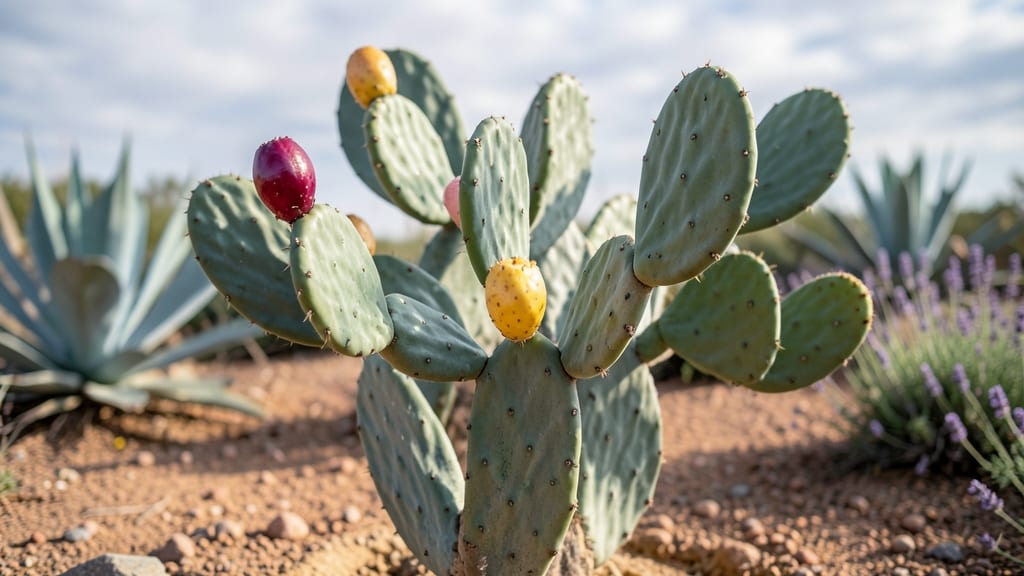
Growing fruit from a cactus plant starts with the right variety—prickly pear cacti deliver sweet, vibrant fruit with minimal fuss. 🌵 I’ve grown mine in containers and in-ground beds, and the key is patience: these plants take 3-5 years to bear fruit, but once they do, the harvest is worth every wait.
The secret isn’t complicated—just sunlight, well-draining soil, and occasional watering to keep the roots happy without drowning them.
The right conditions make all the difference. Prickly pears thrive in full sun (at least 6 hours daily) and soil that drains like a desert—sandy loam or a cactus mix works best. Overwatering is the fastest way to kill them, so let the soil dry completely between waterings.
If you’re in a cooler climate, a greenhouse or container lets you bring them indoors during winter, protecting them from frost that would blacken their pads.
By year three, you’ll see flower buds forming—bright yellow blooms that open at dawn and close by noon. Hand-pollination helps if bees are scarce, and within weeks, those flowers turn into oblong fruits hiding beneath protective spines.
Harvest when the fruit turns deep red or purple, then peel off the skin (wear gloves!) to reveal sweet, seed-speckled flesh perfect for smoothies, jams, or fresh eating.
Even in small spaces, these cacti adapt—containers work for patios, and dwarf varieties like Opuntia microdasys stay manageable. The biggest mistake? Impatience. But once you taste that first ripe slice, you’ll understand why the wait is worth it. Ready to grow yours?
📚 In This Guide
- What you need
- Instructions
- Tips and common mistakes
- Wrapping up and next steps
What you need
- ● Prickly pear cactus pads (nopales) or fruit: 1–2 mature cactus pads (for cooking) or 4–6 ripe prickly pear fruits (for fresh fruit)
- ● Note: Ensure the cactus is pesticide-free (organic if possible).
- ● Thick gardening gloves: Heavy-duty, long-sleeved gloves to protect from spines (e.g., blank">mechanic’s gloves or blank">cactus-handling gloves).
- ● Sharp knife or pruning shears: A serrated or utility knife (for pads) or clean pruners (for fruit). Disinfect with rubbing alcohol before use.
- ● Cutting board: Large enough to hold the cactus pad or fruit (plastic or wood).
- ● Tongs or pliers: For gripping and removing spines (e.g., blank">locking pliers).
- ● Baking sheet or colander: For rinsing or draining spines.
- ● Fine-mesh strainer or cheesecloth: To strain out tiny spines after peeling.
- ● Rubbing alcohol (70% or higher): For sterilizing tools and disinfecting cuts.
- ● Paper towels or clean kitchen towels: For drying and wiping.
- ● Food processor or blender: For quickly peeling fruit or making pulp.
- ● Spine-removal brush: A soft-bristle brush (like a blank">vegetable brush) to gently sweep away residual spines.
- ● Citric acid or lemon juice: To prevent browning when prepping fruit.
- ● Salt or vinegar: For drawing out excess moisture from cactus pads (if cooking).
- ● Honey or sweetener: To balance the tartness of fresh prickly pear fruit.
Step-by-step guide to harvesting prickly pear fruit safely
Harvesting fruit from a cactus plant is simpler than it looks—just follow these steps to safely collect ripe prickly pears.
🌱 Step 1: Identify Ripe Prickly Pear Fruit
Look for fruit that has turned a deep, vibrant red, purple, or yellow depending on the variety. Ripe prickly pears will feel slightly soft when gently squeezed, but they shouldn’t be mushy. Avoid fruit with green patches or wrinkled skin, as these aren’t fully mature.
Check the base of the fruit where it attaches to the cactus pad. If it separates easily with a slight twist, it’s ready to harvest. Use a sharp, clean knife to cut the stem about ½ inch above the fruit. This prevents damage to the plant and makes the fruit easier to handle.
✂️ Step 2: Remove the Spines and Peel Carefully
Prickly pears are covered in tiny, sharp spines called glochids, so wear thick gardening gloves or use a towel to wrap your hand around the fruit. Hold it firmly and scrape off the spines with a spoon or your fingernail—this prevents them from breaking off and sticking to your skin.
Once the spines are removed, slice the fruit in half lengthwise. Use a spoon to scoop out the seeds and pulp from the skin. The skin is edible but can be tough—many people peel it off completely before eating. If you’re using the fruit for recipes, you can simply rinse the pulp and seeds under cool water to remove any remaining spines.
💧 Step 3: Store or Prepare the Fruit Immediately
Fresh prickly pear fruit is best eaten within 2-3 days of harvesting. Store it in the refrigerator, wrapped in a paper towel to absorb moisture. If you’re not using it right away, you can freeze the pulp for later use in smoothies, jams, or desserts.
For immediate use, slice the pulp into your favorite recipes. It’s naturally sweet and pairs well with citrus, mint, or even in savory dishes like salsas. If you notice any signs of fermentation or an off smell, discard the fruit—it’s a sign it’s gone bad.
☀️ Step 4: Clean Up and Protect Your Cactus Plant
After harvesting, inspect your cactus plant for any remaining fruit or damaged pads. Remove any overripe or fallen fruit to prevent pests or rot from spreading. Water the base of the plant lightly if the soil feels dry, but avoid overwatering—cacti store moisture in their pads.
If you’ve harvested heavily, your cactus may need a little extra care. Apply a balanced, water-soluble fertilizer every 4-6 weeks during the growing season to encourage new fruit production. Keep the plant in a sunny spot with 6+ hours of direct sunlight daily for best results.
Tips & tricks for perfect prickly pear harvesting
Between us, harvesting prickly pears doesn't have to be intimidating—just a few smart tricks make all the difference. Here's how to turn a potentially prickly situation into a smooth, rewarding process.
Safety First: I can't stress this enough—those tiny spines called glochids stick like glue once they're embedded in your skin. Always wear thick gardening gloves or wrap your hand with a towel when handling the fruit. For extra protection, use a pair of tongs to grip the fruit while you work, especially when scraping off spines. This small precaution will save you from painful cleanup later.
The Twist Test: This is the real game-changer for knowing when prickly pears are perfectly ripe. Gently twist the fruit at its base—if it comes away easily with just a slight tug, that's your cue it's ready to harvest. I learned this the hard way after trying to pick fruit that was still too firm, which made the spines much harder to remove later. The twist test works every time for me.
Storage Wisdom: Fresh prickly pears only stay at their peak for 2-3 days in the fridge, but there's a trick to extend their freshness. Wrap the whole fruit in a paper towel before storing—this absorbs any excess moisture that can cause spoilage. For longer storage, freeze the pulp in ice cube trays. Once frozen, transfer the cubes to a freezer bag where they'll keep for up to 6 months. This works perfectly for smoothies or cooking later.
Pro Tips for Fruit From A Cactus Plant
- Between us, harvesting prickly pears doesn't have to be intimidating—just a few smart tricks make all the difference....
- Safety First: I can't stress this enough—those tiny spines called glochids stick like glue once they're embedded in y...
- The Twist Test: This is the real game-changer for knowing when prickly pears are perfectly ripe. Gently twist the fru...
Frequently asked questions
Got questions about harvesting and enjoying fruit from cactus plants? You’re not alone! Here are answers to the most common queries to help you navigate the prickly pear journey like a pro.
What’s the best time to harvest prickly pear fruit?
Harvest prickly pears when they’re fully ripe—typically in late summer to early fall (August–October in most regions). Look for vibrant red, purple, or yellow skin and a slightly soft texture. Avoid harvesting when the fruit is still green or overly hard, as it won’t be as sweet or flavorful. Pro tip: Morning harvests are ideal since the fruit is cooler and easier to handle!
How do I safely remove the spines and peel the fruit?
Safety first! Use tongs or thick gloves to grip the fruit, then roll it on a hard surface (like a cutting board) to dislodge spines. For stubborn spines, dip the fruit in hot water for 30 seconds to loosen them. To peel, slice off the top and bottom, then make a vertical cut down the middle. Scrape out the seeds and membranes with a spoon—no spines left behind!
Can I eat prickly pear fruit raw, or do I need to cook it?
Prickly pear fruit is delicious raw—slice it fresh into salads, blend it into smoothies, or enjoy it as a snack. For a more concentrated flavor, you can also cook it into jams, syrups, or desserts. Fun fact: The fruit has a mild, slightly tart taste similar to a mix of pear and kiwi, with a hint of honey!
What can I do if my cactus isn’t producing fruit?
Several factors can affect fruit production, like age (cacti need 3–5 years to mature), sunlight (they thrive in full sun), or pollination (hand-pollinate with a small brush if needed). Ensure your cactus gets well-draining soil and water sparingly—overwatering can stress the plant. If it’s still not fruiting, consider fertilizing lightly with a low-nitrogen cactus feed in early spring.
Are there any substitutes for prickly pear fruit in recipes?
If you can’t find prickly pears, try substitutes like kiwi (for texture), peaches or plums (for sweetness), or even dragon fruit (for a similar tropical vibe). For syrups or jams, a mix of honey and citrus juice can mimic the tangy-sweet profile. Just note that substitutes won’t have the same unique flavor, but they’ll work in a pinch!
Wrapping up and next steps
Harvesting fruit from a cactus plant—like the sweet and tangy prickly pear—can turn your garden into a delicious treasure trove! 🌵 With the right tools, patience, and a few simple steps, you’ll enjoy fresh, vibrant flavors straight from nature.
Whether you’re a beginner or a seasoned gardener, this guide makes the process easy and rewarding.
Now that you’re ready to harvest, why not share your bounty? Try making jam, smoothies, or even a refreshing prickly pear margarita! 🍹 Let your creativity shine—your cactus fruit adventure is just beginning.