
Trees
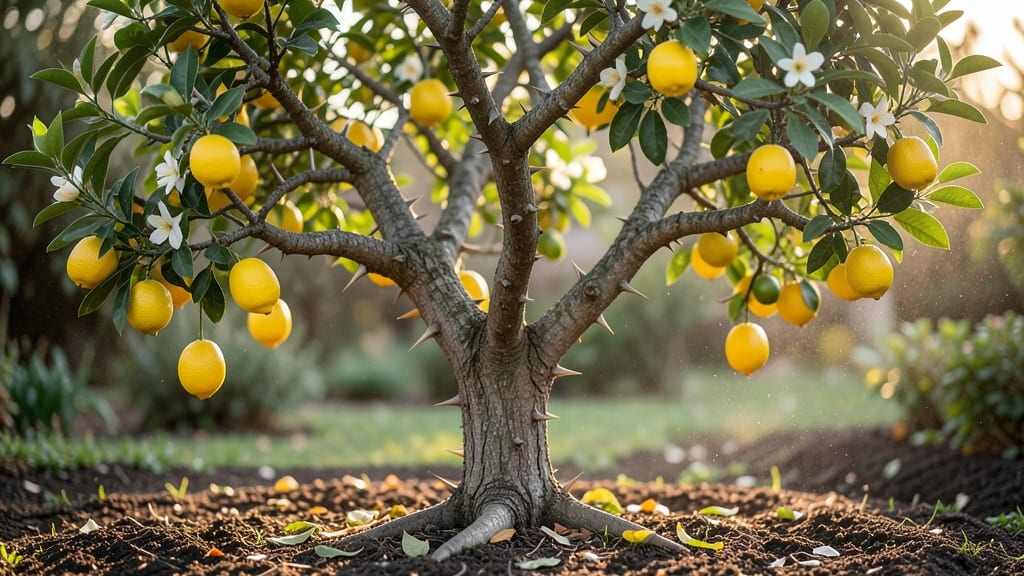
Lemon trees with thorns do produce fruit, and these spiky varieties—like the popular Meyer and Eureka lemons—are just as productive as their thornless cousins in home gardens and commercial orchards.
Thorns aren't just for defense—they're a natural trait in many citrus trees, including some of the most productive lemon varieties. 🌱 While thorns don't impact fruit quality, they often indicate hardier plants better suited for outdoor growing conditions.
The Meyer lemon, for example, sports thorns and yields sweeter, more flavorful fruit than many commercial varieties. What's interesting is that thorn presence often correlates with stronger growth habits, though it does require extra caution during pruning and harvesting.
For gardeners, this means you don't need to avoid thorny trees if you want a bountiful harvest. In fact, many nurseries recommend thorned varieties for their resilience and higher yields. The trade-off?
You'll need to wear gloves when working with the tree, but the reward of fresh, homegrown lemons makes it worthwhile. Proper care—like regular pruning to manage thorn growth and balanced fertilization—can actually enhance fruit production in these varieties.
💡 In This Article
- Thorny Lemon Tree Varieties and Their Fruit Quality
- Caring for Thorny Lemon Trees to Maximize Fruit Production
Thorny lemon tree varieties and their fruit quality
Thorns in lemon trees aren't a sign of poor fruit production—they're actually a genetic trait linked to hardier, more productive varieties. The Meyer lemon, for example, is a popular thorny cultivar known for its sweeter, less acidic fruit compared to standard lemons.
These trees produce 150-200 lemons annually under ideal conditions, with fruits reaching 2-3 inches in diameter. The thorns serve as a natural defense mechanism against pests like deer and rabbits, which often avoid spiny plants.
Genetically, thorn presence is tied to the tree's growth vigor. Thorned varieties like Eureka lemons (another productive type) develop thorns as a response to environmental stress, which paradoxically makes them more resilient. The thorns themselves don't affect fruit development—they're simply a byproduct of the tree's defensive system.
In fact, some studies suggest thorned trees may have slightly higher yields because their robust growth supports more fruit-bearing branches. The trade-off? Their spiny nature requires more careful handling during harvest.
Fruit quality remains unaffected by thorns—what matters more is the variety. Meyer lemons, for instance, have a lower acidity level (1.5-2.5%) compared to standard lemons (5-6% acidity), making them sweeter and more versatile in cooking.
The thorns don't influence this trait; they're simply a physical characteristic of the plant's genetics. For gardeners, this means you can enjoy both productive harvests and delicious fruit without worrying about thorns impacting quality.
One interesting exception is the Lisbon lemon, a thornless variety that produces slightly larger fruits (3-4 inches) but with a more tart flavor. The absence of thorns makes it easier to handle, but the yield is typically 10-15% lower than thorned varieties like Eureka.
This highlights how thorns aren't a detriment—they're just part of the tree's natural design, often correlating with hardier, more productive growth habits.
If you're growing lemons for commercial purposes, thorned varieties like Villafranca lemons are favored because they produce thicker-skinned, more transportable fruit while maintaining high yields. The thorns deter pests without requiring chemical interventions, making them a sustainable choice for orchards.
For home gardeners, the choice between thorny and thornless comes down to personal preference—whether you prioritize ease of handling or resilience and productivity.
What most people don't realize is that thorns can actually improve fruit quality indirectly. By deterring pests, they reduce the need for pesticides, which can leave residues on the fruit. This natural defense mechanism allows the tree to focus its energy on producing higher-quality lemons.
So, while thorns might make harvesting a bit more challenging, they're a sign of a tree that's well-equipped to thrive and bear fruit abundantly.