
Fertilization
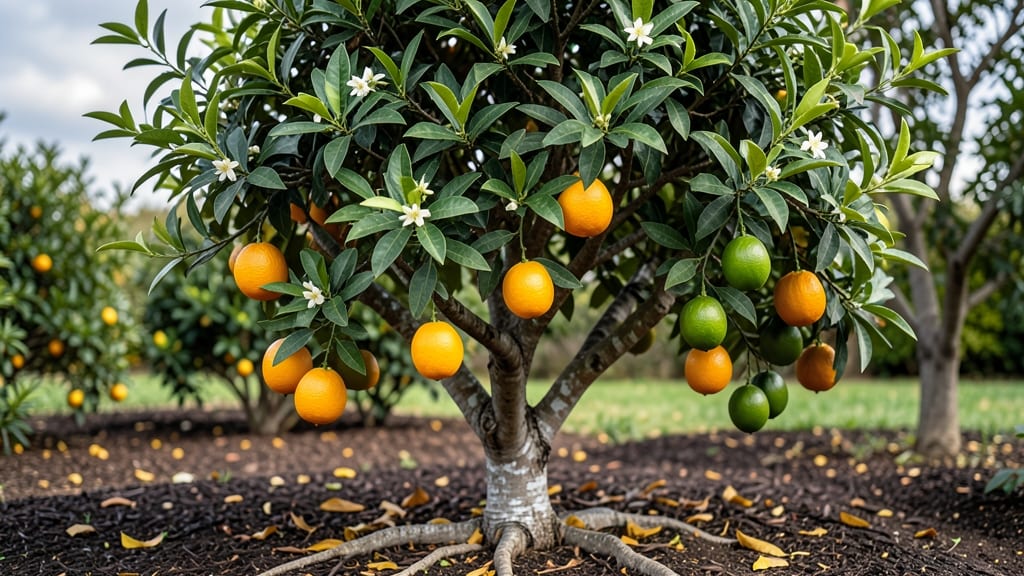
A whole fruit encompasses its edible flesh, skin, seeds, and core, retaining all its natural fiber, vitamins, and antioxidants that get lost during processing like juicing. This complete form aids digestion and provides steady energy compared to concentrated extracts.
A whole fruit isn't just about taste—it's a powerhouse of nutrients working together. 🍎 The skin often contains the most antioxidants, while the fiber in the flesh slows sugar absorption, preventing energy crashes.
For example, eating an apple whole keeps you full longer than drinking apple juice, which lacks that fiber structure. Plus, the seeds and core contribute to the fruit's natural balance of nutrients that processing strips away.
This intact form also supports gut health by feeding beneficial bacteria through its complex carbohydrates. Many people overlook how much nutrition lives in the "waste" parts—like citrus peels or berry seeds—which actually contain concentrated phytonutrients. When you choose whole fruits, you're getting nature's original packaging designed for maximum benefit.
💡 In This Article
- Why Whole Fruits Outperform Juiced or Processed Versions
- Best Whole Fruits for Nutrient Density and Garden Cultivation
Why whole fruits outperform juiced or processed versions
The key difference between whole fruits and their processed counterparts lies in their fiber content. When you eat an apple whole, its 4-5 grams of dietary fiber (per medium fruit) create a physical barrier that slows digestion, preventing rapid blood sugar spikes.
In contrast, apple juice contains only 0.5 grams of fiber—a fraction of what you'd get from the whole fruit—and its concentrated sugars hit your system like a shot of liquid glucose. This fiber-fuel synergy is why whole fruits keep you full for 2-3 hours longer than juice.
Whole fruits also preserve phytochemicals, compounds like quercetin in apples or anthocyanins in berries that act as antioxidants. These are often found in the skin or seeds—parts that get discarded during juicing.
For example, a study in the Journal of Agricultural and Food Chemistry found that 92% of an apple's antioxidants are in the peel, which you'd miss if you only drank juice.
The water content in whole fruits (80-90% of their weight) also contributes to hydration and nutrient absorption, something lost when fruits are dehydrated or concentrated.
Another critical factor is satiety signaling. The act of chewing whole fruits triggers hormonal responses that tell your brain you're full, thanks to the volume effect—you physically eat more to get the same calories as juice.
This is why studies show people consume 20-30% fewer calories from whole fruits compared to juiced versions, even when matched for sugar content. The texture and mouthfeel of whole fruits create a psychological and physiological barrier to overeating that processed forms lack.
Consider the glycemic load difference: A whole orange has a glycemic index of 43 (low), while orange juice scores 53 (moderate). This matters because lower-glycemic foods help regulate insulin levels over time.
The fiber in whole fruits acts like a natural buffer, spreading out sugar absorption across 1-2 hours of digestion rather than the 10-15 minutes it takes for juice sugars to flood your bloodstream. This is particularly important for metabolic health.
Even the seeds and cores play a role. While often discarded, they contain beneficial compounds like polyphenols in citrus seeds or ellagic acid in pomegranate seeds. These components contribute to the fruit's overall antioxidant profile, which processed versions simply can't replicate.
The synergy between all parts of the fruit creates a nutritional ecosystem that no extraction process can fully capture.
For practical application, think about how you consume fruits. A 1-cup serving of whole strawberries provides 3 grams of fiber and 50% of your daily vitamin C, while a cup of strawberry juice offers only 0.5 grams of fiber and 20% of vitamin C.
The whole fruit version delivers more nutrients with fewer calories—a win-win for health-conscious eating. 🌟