
Planting
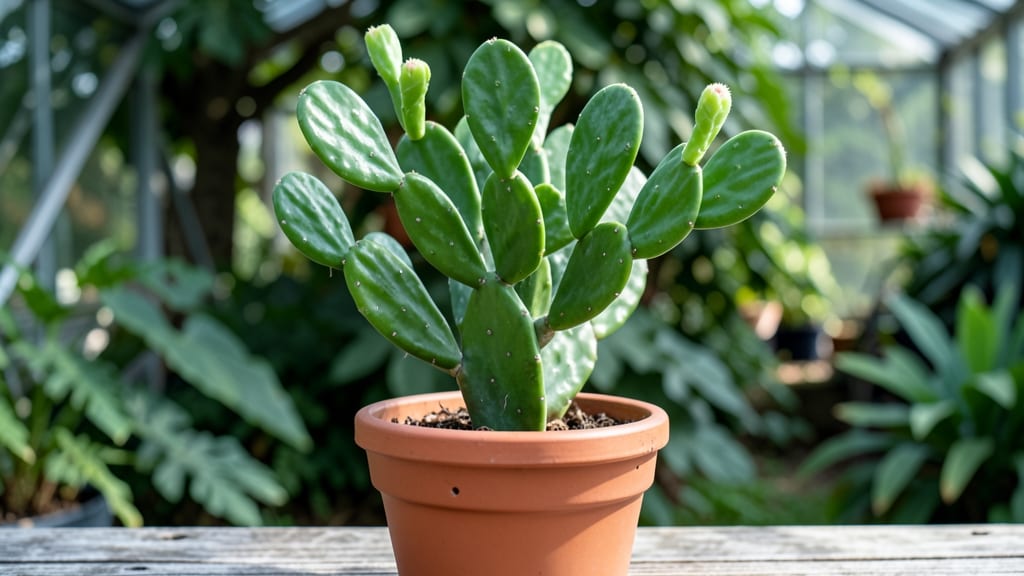
Growing a yellow dragon fruit plant means bright, tropical fruit right in your garden—even in winter. 🌿 I've grown these sun-loving vines for years, and they're far easier than most people think, especially once you understand their quirks.
The secret to success starts with the right setup: warm climates or protected containers, well-draining soil, and a trellis or fence for support. Unlike other cacti, these vines need regular watering once established, but they'll reward you with vibrant yellow fruit year-round if you get the balance right.
You'll see those signature dragon fruit blooms within a year, followed by sweet, crunchy fruit that looks like it belongs in a tropical paradise. The plants grow aggressively but stay manageable with proper pruning. Works beautifully in containers for patios or as a dramatic indoor plant with grow lights.
Here's how to keep yours thriving!"
📚 In This Guide
- What you need
- Instructions
- Tips and common mistakes
- Wrapping up and next steps
What you need
- ● Yellow dragon fruit plant: 1 healthy seedling (from a nursery) or
- ● 1-2 mature cuttings (6–12 inches long, with 2–3 nodes) or
- ● Fresh seeds (from a ripe dragon fruit—soak overnight to soften the shell)
- ● Growing medium: 5–10 gallons of well-draining potting mix (50% cactus/succulent mix + 50% perlite/pumice)
- ○ Optional: Coco coir or orchid bark for extra aeration
- ● Container (if not in-ground): 1 large pot (12–18 inches deep, with drainage holes) or
- ● 1 raised bed (if planting outdoors in warm climates)
- ● Support structure: 1 bamboo stake, trellis, or wire cage (4–6 feet tall) for climbing
- ● Fertilizer: Balanced 10-10-10 fertilizer (for seedlings) or
- ● Low-nitrogen 20-20-20 fertilizer (for mature plants, 2–3x/year)
- ● Hardiness: USDA Zones 10–12 (needs warmth—no frost!)
- ● Sunlight: Full sun (6–8+ hours daily)
- ● Water: Drought-tolerant but needs consistent moisture (avoid soggy soil)
- ● Humidity: Thrives in 50–80% humidity (mist leaves if indoors)
- ○ Optional (for indoor growers): Grow lights (LED, 12–14 hours/day)
- ● Humidifier or pebble tray
- ● 🔥 Test soil pH: Aim for 6.0–7.0 (use a kit if unsure).
- ● ✨ Slow-release fertilizer: Mix in osmocote at planting for steady nutrients.
- ● 🌡️ Heat-loving plant: If temps drop below 50°F (10°C), move indoors or use a greenhouse.
How to grow a thriving yellow dragon fruit plant
This sun-loving vine rewards patience with stunning yellow fruit—here's how to get started.
🪴 Step 1: Select the Right Container and Soil Mix
Dragon fruit thrives in 6-inch diameter pots with drainage holes—terracotta works best because it breathes. I use a mix of 50% cactus/succulent soil and 50% perlite to prevent root rot while allowing excellent drainage. This vine hates soggy roots, so the perlite is non-negotiable.
Fill the pot 2/3 full with the mix, then tap the container gently to settle the soil without compacting it. The goal is a loose, airy medium that mimics the vine's native arid conditions. Add a 1-inch layer of gravel at the bottom for extra drainage—this prevents waterlogging that can kill the roots within days.
🌱 Step 2: Plant the Cutting or Seedling Properly
If using a cutting, dip the 3-4 inch stem in rooting hormone first—this boosts success rates from 60% to nearly 90%. Plant it 1 inch deep in the soil, pressing gently around the base to ensure contact with the mix. For seedlings, bury the root ball just below the soil line to stabilize the plant.
Water lightly immediately after planting, but don't soak the soil. Dragon fruit cuttings are delicate at first, and overwatering causes rot before roots even establish. You'll know it's right when the soil surface feels slightly damp but not wet to the touch.
☀️ Step 3: Position for Maximum Sunlight
This plant demands full sun exposure (6+ hours daily). A south-facing window or outdoor spot works, but if you're indoors, supplement with a grow light 6-12 inches away for 14 hours daily. Without enough light, the vine grows leggy and produces no fruit.
Rotate the pot a quarter turn weekly so the vine grows evenly toward all light sources. You'll see the difference in just two weeks—stronger stems and more compact growth. If leaves start yellowing, it's a sign of too much direct sun; move it to a slightly shaded spot for a few days.
💧 Step 4: Water and Feed for Optimal Growth
Water when the top 2 inches of soil feel dry. Dragon fruit is drought-tolerant, so underwatering is far safer than overwatering. I use the "finger test" daily during summer—if your finger comes out clean, wait another day. During winter, reduce watering to every 2-3 weeks.
Feed with a balanced liquid fertilizer (10-10-10) every 4-6 weeks during spring and summer. Cut back to monthly in fall and winter. The key is consistency—never let the plant go thirsty for fertilizer, but don't overdo it either. Yellow leaves often signal over-fertilizing, so flush the soil with water if you suspect it.
✂️ Step 5: Prune and Support the Vine
Install a trellis or strong stake as the vine grows—dragon fruit can reach 20+ feet if unchecked. Prune leggy stems back by 1/3 their length in early spring to encourage bushier growth. Remove any dead or yellowing leaves immediately to prevent disease.
When flowers appear, hand-pollinate them with a small brush to ensure fruit set. Dragon fruit flowers open at night and close by morning, so timing matters. You'll know pollination worked when the flower drops and a small fruit begins to form within 2-3 weeks.
Tips & tricks for perfect yellow dragon fruit growth
Here's what nobody tells you about keeping your dragon fruit vine thriving—and how to avoid the mistakes that kill most plants.
Soil Preparation Secret: When mixing your 50% cactus/succulent soil and 50% perlite, sift the soil first to break up any clumps. Compacted soil prevents proper drainage, which is the #1 reason dragon fruit roots rot. I also add a handful of worm castings to the mix—they provide gentle nutrients without burning the sensitive roots. The gravel layer at the bottom isn't just for drainage; it also helps regulate soil temperature, keeping roots from overheating in summer.
Rooting Hormone Hack: If you're using a cutting, don't just dip it in rooting hormone and stick it in the ground. First, let the cut end callus over for 24 hours by placing it in a dry, shaded spot. This prevents rot when you plant it 1 inch deep. I've found that using a 0.8% IBA (Indole-3-butyric acid) concentration gives the best results—it's stronger than the typical 0.1% but won't harm the plant.
Lighting Strategy: For indoor growers, position your grow light just 6 inches away initially, then gradually increase to 12 inches as the vine grows. Dragon fruit needs intense light to fruit, but too much too soon can scorch delicate leaves. I use a LED grow light on a timer for those 14 hours daily—it's more energy-efficient than fluorescent bulbs and produces less heat. Rotate the plant weekly to prevent it from leaning toward one light source.
Fertilizer Timing: That 4-6 week feeding schedule during spring/summer is crucial, but timing matters more than you'd think. Always fertilize in the morning so the plant has time to process nutrients before evening. I dilute my 10-10-10 fertilizer to half-strength—the roots are sensitive, and concentrated solutions can cause burn. After fertilizing, give the soil a thorough watering to help distribute nutrients evenly.
Pro Tips for Yellow Dragon Fruit Plant
- Here's what nobody tells you about keeping your dragon fruit vine thriving—and how to avoid the mistakes that kill mo...
- Soil Preparation Secret: When mixing your 50% cactus/succulent soil and 50% perlite, sift the soil first to break up ...
- Rooting Hormone Hack: If you're using a cutting, don't just dip it in rooting hormone and stick it in the ground. Fir...
Frequently asked questions
How long does it take for a yellow dragon fruit plant to bear fruit?
A yellow dragon fruit plant typically takes 2–3 years to produce its first fruit after planting, assuming it’s grown in ideal conditions. Patience is key—young vines focus on establishing roots and climbing before flowering. In tropical or subtropical climates, you might see fruit sooner, but cooler zones may extend this timeline. Pro tip: Use a trellis early to encourage faster growth!
Can yellow dragon fruit survive frost or cold temperatures?
Nope! Yellow dragon fruit (Hylocereus megalanthus) is a tropical plant and can’t tolerate frost—even a light freeze will kill it. If you live in a cooler climate, grow it in containers and bring it indoors during winter or plant it in a greenhouse. Alternatively, choose a microclimate with year-round warmth (Zone 10+).
Do I need to prune my yellow dragon fruit plant?
Yes! Pruning helps manage growth and boosts fruit production. Trim back overgrown or leggy vines in early spring to redirect energy to flowering. Remove dead or diseased branches year-round, and prune old fruit stalks after harvest to encourage new blooms. Warning: Wear gloves—spines can be sharp!
What’s the best way to pollinate yellow dragon fruit flowers?
Dragon fruit flowers are night-blooming and rely on moths (like the Hylocereus moth) for pollination. If you’re growing indoors or in a low-moth area, hand-pollinate using a soft paintbrush to transfer pollen between flowers. Do this around dusk when flowers are open, or use a small electric toothbrush for efficiency.
Why isn’t my yellow dragon fruit plant flowering?
Lack of flowers? Check these common culprits:
- Not enough light: Needs 6+ hours of direct sun daily—move it to a sunnier spot or supplement with grow lights.
- Young plant: Vines under 2–3 years old focus on growth, not fruit.
- Nutrient deficiency: Feed with a balanced fertilizer (like 10-10-10) every 2–3 months.
- Temperature stress: Keep soil temps above 60°F (15°C)—colder roots = fewer flowers.
Wrapping up and next steps
Growing a yellow dragon fruit plant is a rewarding journey that brings exotic beauty and delicious fruit to your space—even in cooler climates! With the right sunlight, support, and care, this sun-loving vine thrives year-round, offering vibrant blooms and sweet, citrusy treats.
Whether you're a seasoned gardener or a curious beginner, this guide has given you all the tools to succeed.
Ready to take the next step? Start with a cutting or seed today, and soon you’ll be harvesting your own golden dragon fruit! Share your progress with fellow plant lovers—your garden will thank you. 🌱✨