
Planting
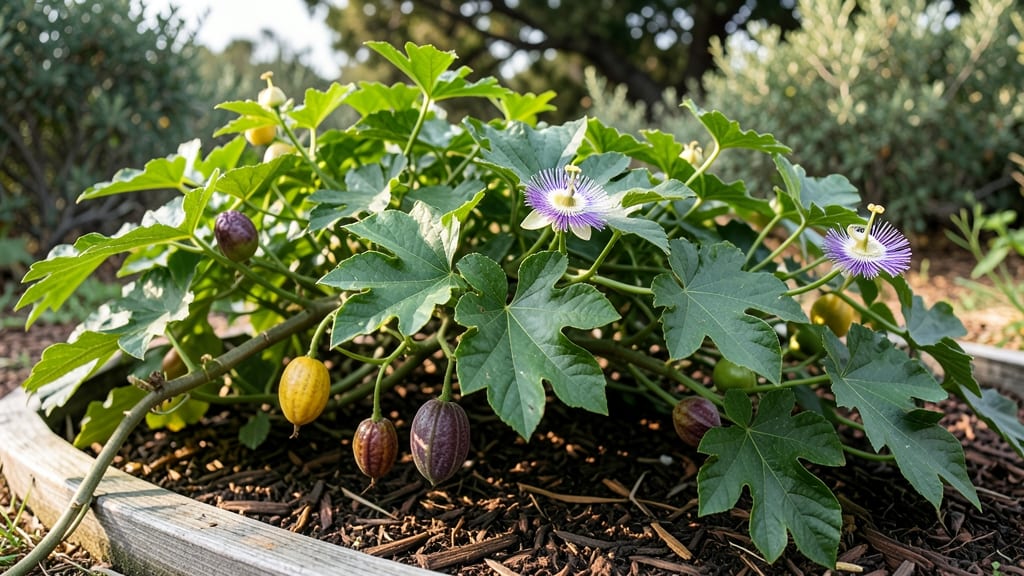
Planting a passion fruit vine changes everything—imagine tropical fruit dripping from your balcony all year. 🌿 I’ve grown these vines for five summers now, and the secret to their success isn’t just warm weather; it’s the right soil, sunlight, and a little patience.
Start with well-draining soil mixed with compost—passion vines hate soggy roots. In cooler climates, begin indoors in 5-inch pots and transplant after the last frost, giving them a sturdy trellis to climb. They need 6-8 hours of sunlight daily, but in scorching zones, afternoon shade prevents leaf scorch.
By month three, you’ll spot those signature vibrant purple flowers—the first sign of fruit to come. With consistent watering (keep soil moist but not waterlogged) and occasional fertilizer, you’ll harvest sweet, tangy passion fruit within 6-8 months of planting.
This vine thrives in zones 9-11, but with containers and grow lights, northern gardeners can grow them too. Just watch for pests like spider mites—neem oil keeps them at bay.
📚 In This Guide
- What you need
- Instructions
- Tips and common mistakes
- Wrapping up and next steps
What you need
- ● Passion fruit plants: 2-4 healthy vines (choose varieties like Purple Passionfruit (Passiflora edulis) or Yellow Passionfruit (Passiflora ligularis)).
- ● Potting soil: 10-15 lbs of well-draining, nutrient-rich potting mix (or a blend of garden soil + compost + perlite).
- ● Containers or garden space: Containers: 5-gallon pots or larger (with drainage holes) for each vine.
- ● Garden beds: Sunny, well-draining spot with at least 6-8 hours of sunlight daily.
- ● Fertilizer: Balanced organic fertilizer (10-10-10 or 5-5-5 NPK ratio) or compost tea.
- ● Support structure: Trellis, fence, or strong stakes (6-8 ft tall) for climbing.
- ● Watering can or hose: With a gentle spray nozzle for hydration.
- ● Pruning shears: Sharp, clean pair for trimming vines.
- ● Mulch: Organic mulch (straw or wood chips) to retain moisture.
- ○ Drip irrigation system: (Optional) for consistent watering.
- ● Pest control: Neem oil or insecticidal soap (for aphids, mites, or fruit flies).
- ● Gloves: To protect hands while handling thorny vines.
Step-by-step guide to planting a passion fruit vine
Here's how I get lush, productive vines that reward me with fruit all year—no matter your climate.
🌱 Step 1: Choose the Right Vine and Prepare the Site
Passion fruit vines thrive in USDA zones 7-11, but with proper care, you can grow them in cooler areas too. Select a healthy vine with strong stems and green leaves—avoid any with yellowing or spots. I always opt for purple passion fruit (Passiflora edulis) for its sweet, tangy fruit, but yellow varieties work well in warmer climates.
Pick a location with full sun exposure (6-8 hours daily) and well-draining soil. Passion fruit vines need room to grow—plan for at least 10-15 feet of horizontal space or a sturdy trellis. If your soil is heavy clay, amend it with 3-4 inches of compost and a handful of coarse sand to improve drainage. The vine’s roots will thank you later.
🪴 Step 2: Plant at the Right Time and Depth
Plant your vine in early spring after the last frost or in late summer for a fall harvest. Dig a hole twice as wide as the root ball but only as deep as the container it came in. Gently remove the vine from its pot and loosen any tangled roots—this encourages faster establishment. Place the vine in the hole so the top of the root ball sits 1 inch below soil level.
Backfill the hole with soil, pressing lightly to remove air pockets but not compacting too firmly. Water deeply to settle the soil around the roots. I like to add a balanced 10-10-10 fertilizer mixed into the backfill soil to give the vine a nutrient boost right away. Mulch around the base with 2-3 inches of organic mulch to retain moisture and regulate soil temperature.
☀️ Step 3: Train and Support the Vine for Maximum Growth
Passion fruit vines are vigorous climbers, so install a 6-foot tall trellis or sturdy fence near the planting site before the vine takes off. As new growth appears, gently tie the main stem to the trellis using soft plant ties or strips of old fabric. Avoid wire or anything that can cut into the stem—passion fruit vines are tender.
Prune back any leggy or weak growth to encourage stronger, more productive branches. You’ll know you’re on the right track when the vine starts sending out long, tendril-bearing shoots. These tendrils will latch onto the trellis, giving the vine the support it needs to grow upward. Keep an eye out for the first flowers—usually within 6-12 months—as they signal the vine is established and ready for fruit production.
💧 Step 4: Water and Fertilize for Consistent Harvests
Water your vine deeply 2-3 times per week during the first year to encourage deep root growth. Once established, passion fruit vines are drought-tolerant, but they produce best with 1-2 inches of water weekly. Let the soil dry out slightly between waterings—soggy soil leads to root rot, which can kill the vine quickly. You’ll know it’s time to water when the top 1-2 inches of soil feel dry to the touch.
Fertilize every 4-6 weeks during the growing season with a low-nitrogen, high-potassium fertilizer (like 5-10-10) to promote flowering and fruiting. I also add a handful of compost or worm castings around the base of the vine every few months to boost soil health. Avoid over-fertilizing with nitrogen—too much leads to lush foliage but fewer flowers and fruit.
✂️ Step 5: Prune and Harvest for Year-Round Fruit
Prune your vine in late winter or early spring before new growth begins. Remove any dead, diseased, or crossing branches to improve airflow and sunlight penetration. Cut back any overly long or unproductive vines by about one-third to encourage bushier growth. This is also the time to thin out any crowded stems—aim for 3-5 main branches per vine for optimal fruit production.
Harvest passion fruit when the skin changes color—purple varieties turn deep purple, while yellow varieties turn golden. Gently twist the fruit from the vine, being careful not to damage the stem. You’ll know it’s ripe when it releases easily and has a sweet, floral aroma. With proper care, a single vine can produce 50-100 fruits per season, so be ready with containers or a clean bucket to collect your bounty.
Tips & tricks for thriving passion fruit vines
Between us, the difference between a vine that thrives and one that struggles often comes down to these small but critical details.
Site Preparation Secret: Before planting, I always test your soil's drainage by digging a hole 12 inches deep and filling it with water. If it drains completely within 2 hours, your soil's ready. If not, you'll need to add more compost and sand to that 3-4 inches recommendation—this prevents root rot that can kill your vine before it even starts producing. The 10-15 feet of space isn't just for show; it gives roots room to spread while maintaining airflow that prevents fungal diseases.
Planting Depth Matters: That 1 inch below soil level planting depth might seem minor, but it's crucial for establishing strong roots. When you're placing your vine, make sure the graft union (where the vine was attached to its rootstock) stays above ground—this prevents disease entry points. I also press the soil around the roots with my fingers rather than stomping, which compacts too much and restricts oxygen flow to those delicate new roots.
Trellis Training Technique: Don't wait until the vine starts growing to install your 6-foot trellis—set it up before planting. The main stem should be the first thing to climb, so tie it loosely (you can adjust as it grows) using soft fabric strips. I find that positioning the trellis on the north side of the vine prevents shading that can reduce fruit production. Watch for those tendril-bearing shoots—they're nature's way of telling you the vine is happy and ready to climb.
Watering Wisdom: The 2-3 times per week watering schedule during the first year might seem like a lot, but it's essential for establishing deep roots. I use a moisture meter to check that 1-2 inches of soil dry out between waterings—this prevents both underwatering and the root rot that comes from soggy conditions. In hot climates, you might need to water daily until the vine establishes its root system fully.
Pro Tips for Plant Passion Fruit Vine
- Between us, the difference between a vine that thrives and one that struggles often comes down to these small but cri...
- Site Preparation Secret: Before planting, I always test your soil's drainage by digging a hole 12 inches deep and fil...
- Planting Depth Matters: That 1 inch below soil level planting depth might seem minor, but it's crucial for establishi...
Frequently asked questions
Got questions about growing your own passion fruit vine? You’re not alone! Here are some of the most common queries—and their no-fuss answers—to help you cultivate a thriving vine with minimal stress.
How long does it take for a passion fruit vine to bear fruit?
A healthy passion fruit vine typically takes 12 to 18 months to produce fruit after planting, depending on climate and care. In warmer regions, you might see flowers (and fruit!) as early as 6–9 months. Patience is key—think of it as an investment in tropical treats!
Can passion fruit vines survive cold winters?
Most varieties (like Passiflora edulis) are tender perennials and won’t tolerate frost. In colder zones, grow them in containers and move them indoors or to a greenhouse during winter. Alternatively, plant hardier varieties like Passiflora giberti (banana passion fruit), which can handle brief chills down to 20°F.
How often should I water my passion fruit vine?
Passion fruit vines love consistent moisture but hate soggy roots. Water deeply 2–3 times per week during hot/dry spells, ensuring the soil stays evenly damp (not waterlogged). Mulch around the base to retain humidity and reduce evaporation. Pro tip: Yellowing leaves? You’re likely overwatering!
What pests or diseases should I watch for?
Common culprits include:
- Spider mites: Tiny webs on leaves? Spray with water or neem oil.
- Passion vine hoppers: Skewer-like pests—handpick or use insecticidal soap.
- Fungal issues (like powdery mildew): Improve airflow and avoid overhead watering.
Prevention is easier than treatment—inspect leaves weekly and prune for airflow!
Can I grow passion fruit from seed, or should I buy a plant?
While you can grow from seed (store-bought fruit works!), seedlings may take 2+ years to fruit and might not match the parent plant’s traits. For faster results, buy a 1-year-old grafted plant from a nursery. Seedlings are great for experimenting, though!
How do I know when passion fruit is ripe?
Ripe passion fruit turns deep purple or yellow (depending on the variety) and feels soft to the touch. It should also detach easily from the vine. Unripe fruit is hard and green—wait a few more days!
Wrapping up and next steps
Growing a passion fruit vine is a rewarding journey that brings vibrant blooms, exotic fruit, and year-round harvests with the right care. Whether you're a seasoned gardener or a beginner, these tricks—like choosing the perfect spot, supporting strong growth, and troubleshooting common issues—will set you up for success. 🌱
Now that you’re armed with knowledge, it’s time to roll up your sleeves and plant that vine! Start small, experiment with varieties, and enjoy the sweet satisfaction of harvesting your own passion fruit. Happy gardening—your taste buds (and Instagram feed) will thank you! 🍈✨