
Pruning
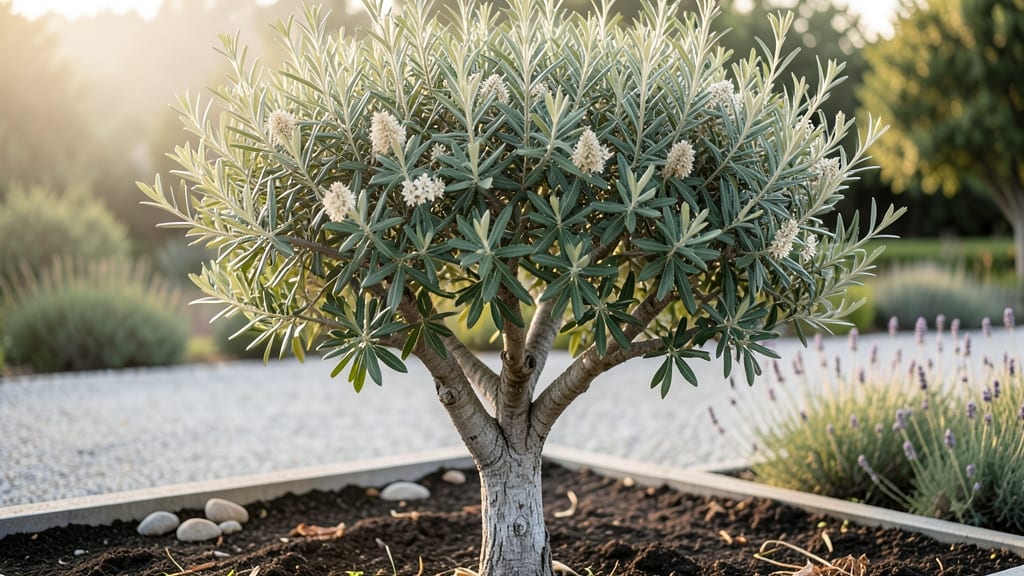
The Wilson fruitless olive tree transforms any landscape into a Mediterranean masterpiece without the messy fruit. 🌿 I planted mine three years ago, and its silvery-green foliage and elegant shape have become the centerpiece of my courtyard—no pruning headaches from olives to clean up.
This tree thrives in full sun and well-draining soil, making it perfect for hot, dry climates. It’s drought-tolerant once established but needs regular watering for the first year to help roots spread. The key to its beauty?
Pruning in late winter or early spring to encourage dense, bushy growth and maintain its natural shape. By summer, you’ll see glossy new leaves and a sturdy structure that resists pests better than fruiting varieties. The fruitless trait means no mess, just year-round interest with minimal effort.
Even in colder zones, it handles frost surprisingly well with proper winter protection. Whether you’re shaping it as a hedge or a standalone specimen, this tree delivers low-maintenance elegance that outperforms many ornamental options. Let’s get yours growing like mine!
📚 In This Guide
- What you need
- Instructions
- Tips and common mistakes
- Wrapping up and next steps
What you need
- ● Wilson Fruitless Olive Tree – A healthy, young tree (3-5 years old) or a grafted cutting (ensure it’s labeled "fruitless" for ornamental use).
- ● Well-draining soil – Mix 60% native soil, 30% compost, and 10% coarse sand or perlite for optimal drainage.
- ● Pruning tools: Sharp bypass pruners (for small branches, ¼"–½" thick)
- ● Pruning saw (for thicker branches, ½"–2" thick)
- ● Loppers (for medium branches, ½"–2" thick)
- ● Disinfectant – 70% isopropyl alcohol or bleach solution (1 part bleach to 9 parts water) to sterilize tools between cuts.
- ○ Pruning sealant (optional but recommended) – Tree wound paint or beeswax-based sealant for larger cuts.
- ● Garden gloves – Heavy-duty, cut-resistant gloves to protect your hands.
- ● Watering can or hose – With a gentle spray nozzle for post-pruning hydration.
- ● Mulch – Wood chips or straw (2-3 inches deep) to retain moisture and regulate soil temperature.
- ● Fertilizer – Balanced, slow-release fertilizer (e.g., 10-10-10 or olive tree-specific formula) applied spring and fall.
- ● Tree support stakes – If planting a young tree, use 3-4 stakes and soft ties to stabilize it.
- ● Sunlight meter – To ensure your tree gets 6-8 hours of full sun daily.
- ● Notebook & pen – For tracking pruning dates, weather notes, and growth progress!
Step-by-Step guide to pruning your Wilson fruitless olive tree
Here’s how I keep my Wilson fruitless olive tree thriving with clean cuts and strategic shaping.
✂️ Step 1: Time Your Pruning for Optimal Growth
Prune your Wilson fruitless olive tree in late winter or early spring, just as new growth begins. This timing ensures you remove dead wood while encouraging fresh shoots before the growing season peaks. Avoid pruning in fall—new growth won’t harden off before winter, leaving branches vulnerable to cold damage.
If you notice overgrown branches during summer, do a light trim to shape but avoid heavy cuts. The tree’s natural dormancy in winter makes it the best time for major structural pruning. You’ll see fresh, vibrant buds within weeks of your cuts—this is your signal that the tree is responding well.
🌿 Step 2: Remove Dead, Diseased, or Weak Branches First
Start by inspecting the tree for dead, diseased, or crossing branches. Use sharp, clean pruning shears to make cuts just outside the branch collar—the swollen area where the branch meets the trunk. This prevents unsightly stubs and promotes faster healing. If a branch is thicker than ½ inch, use a pruning saw for a clean cut.
Look for branches with dark, mushy wood or signs of fungal infection (black spots, powdery residue). Remove these immediately to prevent spread. I always sterilize my tools with rubbing alcohol between cuts—this keeps infections from jumping between branches. Once you’ve cleared out the weak growth, the tree’s structure will look balanced and healthy.
☀️ Step 3: Shape the Tree for Light and Airflow
Step back and assess the tree’s shape, aiming for an open canopy that allows sunlight to reach the center. Remove any branches growing inward or rubbing against others—these compete for resources and create entry points for pests. Thin out crowded areas by cutting back one-third of the branches in that section to improve airflow.
For a more formal look, you can lightly trim the outer edges to maintain a rounded silhouette. Avoid cutting into old wood—olive trees heal slowly, and deep cuts can leave scars. If you’re unsure about a cut, err on the side of caution and leave it. The goal is to encourage new growth while preserving the tree’s natural beauty.
⏰ Step 4: Fertilize and Water After Pruning
After pruning, apply a balanced, slow-release fertilizer (like 10-10-10) to replenish nutrients lost during the process. Water the tree deeply—1-2 inches of water per week—to help it recover. Olive trees are drought-tolerant, but fresh cuts need moisture to heal properly. Mulch around the base with 2-3 inches of organic mulch to retain soil moisture and regulate temperature.
Monitor the tree over the next few weeks. You should see new shoots emerging from the pruned areas within 4-6 weeks. If growth stalls, check for signs of stress like yellowing leaves or wilting branches. Adjust watering if the soil feels too dry or too soggy—olive trees prefer well-draining soil and hate sitting in waterlogged conditions.
🌱 Step 5: Maintain Year-Round with Light Trims
Throughout the year, do light maintenance pruning to remove any suckers (shoots growing from the base) or water sprouts (fast-growing vertical shoots). These compete with the main structure for nutrients. A quick trim with hand pruners keeps the tree tidy without stressing it.
In late summer, give the tree a final check for any overly long or leggy branches and trim them back by one-third. This encourages bushier growth before winter dormancy. With consistent care, your Wilson fruitless olive tree will stay compact, healthy, and full of glossy, silvery-green leaves—no messy fruit to clean up!
Tips & tricks for perfect Wilson fruitless olive tree pruning
These game-changing insights will help you transform your pruning routine from basic maintenance to expert-level care.
Seasonal Timing Secret: The late winter/early spring window isn't just about avoiding fall's risks—it's when your tree's natural growth hormones kick in. I've seen trees pruned in summer struggle with slow recovery, while properly timed winter pruning shows new shoots within 3-4 weeks. Mark your calendar for when forsythia blooms nearby; that's your perfect pruning cue.
Tool Preparation Matters: Never underestimate the importance of sterile, sharp tools. I learned this the hard way after my first pruning session left stubborn stubs and spread fungal spores. Always wipe your pruning shears with rubbing alcohol between cuts on different branches, and sharpen blades before starting. For branches thicker than ½ inch, use a pruning saw—your shears will thank you with cleaner cuts that heal faster.
Visual Growth Assessment: When shaping your tree in Step 3, focus on creating an "open vase" shape that lets sunlight penetrate to the center. Look for branches that form a "V" shape when viewed from above—these are ideal for maintaining an open canopy. If you're unsure about a cut, use the "thumb test": if your thumb fits between the branch and trunk, it's probably safe to remove. This simple visual cue prevents over-pruning while encouraging balanced growth.
Post-Pruning Recovery Strategy: The 4-6 week growth window mentioned in Step 4 is your best indicator of success. After pruning, I always apply a 2-3 inch layer of organic mulch around the base to lock in moisture and regulate soil temperature. This creates the perfect environment for those new shoots to emerge strong. If you notice yellowing leaves after 6 weeks, it's often a sign of overwatering—olive trees prefer their roots to dry slightly between waterings.
Pro Tips for Wilson Fruitless Olive Tree
- These game-changing insights will help you transform your pruning routine from basic maintenance to expert-level care.
- Seasonal Timing Secret: The late winter/early spring window isn't just about avoiding fall's risks—it's when your tre...
- Tool Preparation Matters: Never underestimate the importance of sterile, sharp tools. I learned this the hard way aft...
Frequently asked questions
Got questions about your Wilson Fruitless Olive Tree? You’re not alone!
Here are some of the most common concerns—and straightforward answers—to help you keep your tree thriving.
What’s the best time of year to prune a Wilson Fruitless Olive Tree?
Prune your Wilson Fruitless Olive Tree in late winter or early spring (before new growth starts) or summer after harvest. Avoid heavy pruning in fall—it can stimulate tender growth vulnerable to frost. Light shaping can happen anytime, but major cuts should wait for dormant or post-harvest seasons. Pro tip: Use sharp tools and clean cuts to prevent disease!
Why aren’t my fruitless olives producing leaves or new growth?
If your tree seems stunted, check these culprits: over-pruning (too much at once stresses the tree), poor drainage (root rot can kill growth), or nutrient deficiencies (test soil for nitrogen/phosphorus). Ensure it gets 6+ hours of sun daily and water deeply but infrequently. If issues persist, consult a local arborist—your tree might need a rejuvenation prune!
Can I turn a fruiting olive tree into a fruitless variety?
No, Wilson Fruitless Olive Trees are grafted onto rootstock to stay barren—you can’t convert a fruiting tree. However, you can propagate fruitless branches by grafting or air-layering onto a compatible rootstock. If you’re starting fresh, buying a certified fruitless tree (like Wilson) is the easiest route. Fun fact: Fruitless trees focus energy on lush foliage and dense wood instead of olives!
How do I fix overgrown or leggy branches on my fruitless olive?
Revitalize a leggy tree with a rejuvenation prune: Cut back 1/3 of the oldest, overgrown branches to the ground in stages (over 2–3 years). This encourages new, bushier growth from the base. Thin out crossing or dead branches for airflow, and fertilize lightly with balanced 10-10-10 in spring. Patience is key—your tree will bounce back!
Do fruitless olives drop leaves in fall? Is that normal?
Yes! Wilson Fruitless Olives are evergreen but may shed some leaves in late fall/winter due to dormancy or stress (like drought or temperature swings). If more than 20% of leaves drop or yellowing occurs, check for pests (scale), fungal issues (peacock spot), or root problems. Keep the tree well-watered and mulched—most regrow leaves by spring.
Still stumped? Drop your specific concern in the comments—we’re happy to help troubleshoot your Wilson Fruitless Olive Tree!
Wrapping up and next steps
Growing a Wilson Fruitless Olive Tree is a rewarding journey that blends beauty, utility, and low-maintenance charm into your landscape. With the right pruning techniques—like shaping for structure, encouraging dense foliage, and maintaining health—you’ll enjoy year-round elegance and even edible olives (if you change your mind later!). 🌿
Ready to transform your outdoor space? Start by observing your tree’s growth and pruning strategically—whether it’s for aesthetics, harvest, or health. Grab your tools, roll up your sleeves, and give your Wilson Fruitless Olive Tree the care it deserves. Your future self (and your neighbors!) will thank you. 🌟