
Pruning
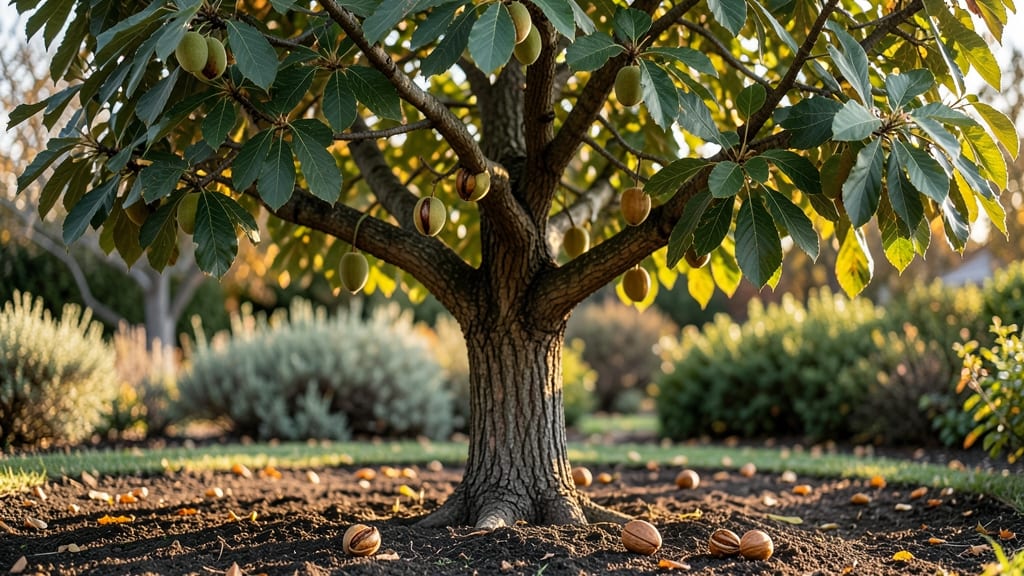
Walnut tree fruit refers to the nut encased in a green, spiky husk that matures in late summer or fall. Recognize it by its distinctive round shape and thick outer shell, and harvest when the husk naturally cracks open for peak flavor and texture. The nut inside is packed with nutrients and works beautifully in both sweet and savory dishes.
The walnut tree fruit you're looking for isn't just any nut—it's the prized seed hidden inside that iconic green, spiky casing. 🌿 What sets it apart is the timing: these nuts ripen when the husk splits open on its own, typically between late August and October, depending on your climate.
Once harvested, the shell protects the edible nut inside, which is where all the nutritional benefits and culinary magic happen. I always recommend harvesting when at least 50% of the husks have cracked naturally, as this ensures the nuts inside are fully developed and flavorful.
This isn't just about identification—it's about timing and technique.
The moment the husk opens is your cue to act quickly, as leaving them too long on the tree can attract pests or lead to premature drying. 💫 Once you've harvested, proper storage is key: spread the nuts in a single layer to dry for a few days before storing them in a cool, dark place.
This preserves their rich flavor and prevents mold, which can happen if they're stored too damp.
💡 In This Article
- How to Identify Walnut Tree Fruit at Different Growth Stages
- Best Practices for Harvesting and Storing Walnut Tree Fruit
How to identify walnut tree fruit at different growth stages
Walnut fruit development begins with small, green flower clusters that appear in early spring.
These flowers transform into round, green husks by late spring, which is when the nut inside starts forming its hard shell. 🌱 The key identification moment comes when these husks begin changing color—black walnuts develop a dark green to brownish hue, while English walnuts stay lighter green.
This color shift signals the shell is hardening, typically around 6-8 weeks after flowering.
The ripening process becomes obvious when husks start splitting open naturally, usually between late August and October, depending on your climate zone.
Black walnut husks crack with a distinctive "pop" sound and release a sticky, resinous sap, while English walnut husks split more cleanly. 🌿 At this stage, the nut inside should feel firm when gently squeezed—if it's soft, it's not yet ripe.
Look for leaf drop as another indicator, as walnut trees often shed leaves when nuts are ready for harvest.
Distinguishing walnuts from lookalikes is crucial. Black walnuts have a thicker, more textured shell with deep grooves, while English walnuts have smoother, lighter shells.
Hickory nuts (common lookalikes) grow in clusters and have a more elongated shape. 🌰 The husk texture also differs—walnut husks are spiky and fibrous, while hickory husks are smoother and less pronounced. Always check for these visual cues before harvesting.
Timing your harvest is everything. If you pick too early, the nuts won't be fully developed; too late, and they may attract squirrels or develop mold.
The ideal moment is when 50-70% of husks have cracked open—this balance ensures you get the best flavor and texture. 🍂 Use a nut pick or long-handled rake to gently lift cracked husks from the ground, being careful not to damage the shells.
Once you've identified the right stage, you'll notice the nut inside has a rich, earthy aroma when cracked open. Black walnuts have a stronger, almost bitter taste, while English walnuts are sweeter and creamier.
This sensory difference is due to their distinct chemical compositions—black walnuts contain higher levels of juglone, a compound that gives them their characteristic flavor.
For those new to harvesting, here's a quick checklist:
- Husk color: Dark green/brown (black walnut) or light green (English walnut)
- Cracking sound: Distinctive "pop" when husk splits
- Shell firmness: Solid when tapped with a finger
- Leaf condition: Many leaves have dropped from the tree