
Fertilization
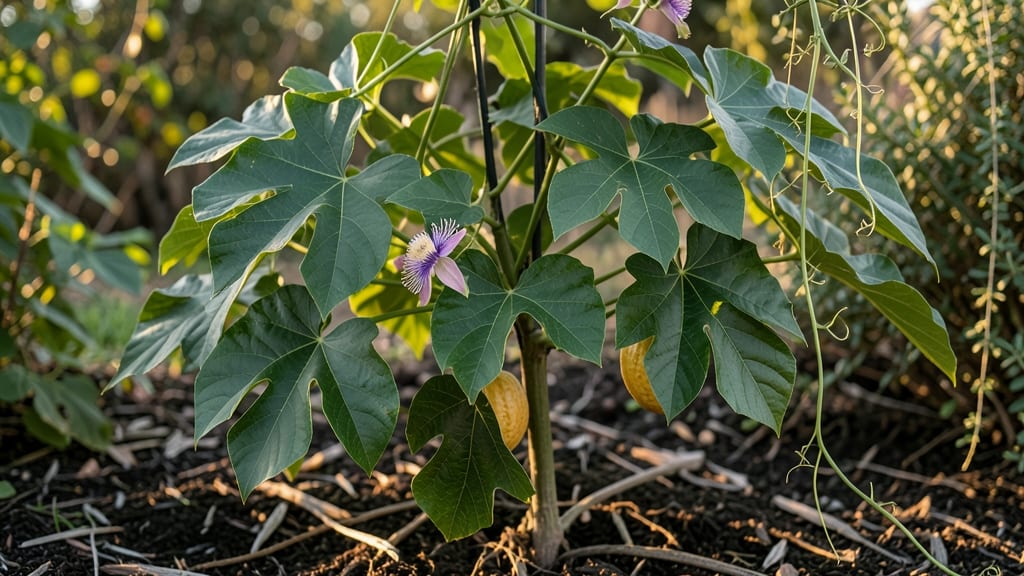
Growing Passiflora edulis passion fruit in your backyard means sweet, tangy fruit straight from the vine—no grocery store needed. 🌿 The key to success lies in mimicking its tropical roots, even if you're not in a warm climate.
I've grown these vines in zones 8-11, and with the right adjustments, you can too.
The vine thrives in well-draining soil with a slightly acidic pH (6.0-7.5), and it needs full sun (6+ hours daily) to produce fruit. Most gardeners underestimate how much space these canes need—10-15 feet of trellis or fence is ideal. They're fast growers, so plan for aggressive climbing.
Once established, you'll harvest fruit in 6-8 months, with vines producing 50-100 fruits per season under ideal conditions. The real magic happens when you taste the difference between store-bought and homegrown—juicy, aromatic, and packed with flavor. Pruning in late winter keeps the plant productive and manageable.
Even in cooler climates, you can grow passion fruit in containers and overwinter indoors. The secret is patience: it takes 1-2 years for mature vines to bear fruit, but the payoff is worth every wait. Ready to start your tropical harvest?
📚 In This Guide
- What you need
- Instructions
- Tips and common mistakes
- Wrapping up and next steps
What you need
- ● Passion fruit plants: 2–3 healthy Passiflora edulis seedlings (purple or yellow varieties). Choose disease-free, well-rooted plants from a reputable nursery.
- ● Well-draining soil: 5–10 bags (20–30 lbs each) of a mix like cactus/succulent blend or loamy soil with perlite (pH 6.0–7.5). Avoid heavy clay.
- ● Fertilizer: 1 lb of balanced fertilizer (10-10-10 or 8-3-9) for initial planting.
- ● 1 lb of low-nitrogen, high-phosphorus fertilizer (e.g., 5-10-10) for flowering/fruiting (apply every 4–6 weeks).
- ● Organic options: Composted manure (5 lbs) or worm castings (2 lbs) for slow-release nutrients.
- ● Support structure: Trellis (8–10 ft tall) or sturdy bamboo poles (3–4 ft long, 2–3 per plant).
- ● Twine or soft plant ties (10–15 ft roll) for securing vines.
- ● Containers (if not in-ground): 3–5 gallon pots with drainage holes (one per plant).
- ● Mulch: 5–10 sq ft of straw or wood chips to retain moisture and suppress weeds.
- ● Hand trowel or small shovel for planting.
- ● Pruning shears (sterilized with rubbing alcohol).
- ● Watering can or hose with a gentle spray nozzle (passion fruit vines hate soggy roots!).
- ○ pH test kit (optional but helpful for monitoring soil acidity).
- ● Sunlight access: A spot with 6+ hours of direct sunlight daily (south-facing windows or greenhouse if indoors).
- ● Climate control: Passion fruit thrives in USDA Zones 8–11. Use a greenhouse or bring pots indoors in winter if you’re in colder zones.
- ● Drip irrigation system for consistent moisture (especially in hot climates).
- ● Epsom salt (magnesium sulfate) (1 tbsp/month) to boost flower production.
- ● Pollination aid: A small paintbrush to hand-pollinate flowers if bees are scarce.
- ● Fruit thinning scissors to remove excess fruit and improve size/quality.
- ● Pest control: Neem oil or insecticidal soap (for aphids/mealybugs).
Step-by-Step instructions for cultivating Passiflora edulis passion fruit
Here's the foolproof method I've used to coax sweet, fragrant passion fruit from this temperamental tropical vine.
🌱 Step 1: Select and Prepare the Perfect Growing Site
Passiflora edulis thrives in full sun with 6-8 hours of direct light daily, but it tolerates partial shade in hotter climates where afternoon sun might scorch leaves. I always choose a location with south-facing exposure—this ensures maximum photosynthesis while protecting tender foliage. The vine needs a sturdy trellis or fence to climb; I install mine at least 8 feet tall since vines can reach 20 feet in ideal conditions.
Test your soil's drainage before planting. Passion fruit hates soggy roots, so amend heavy clay with 2-3 inches of compost and a handful of perlite to create air pockets. The soil should feel like a damp sponge when squeezed—not dripping or crumbly. I like to plant mine in raised beds if the native soil is particularly dense, as this gives me complete control over drainage.
☀️ Step 2: Plant with Proper Spacing and Support Structure
Space your passion fruit vines 10-12 feet apart to allow for vigorous growth and airflow. Crowding invites fungal diseases like powdery mildew, which can devastate a crop. I plant mine near the trellis base, gently loosening the roots if they're pot-bound, then burying the root ball just below soil level. The vine's growth habit is aggressive, so I always install the support structure simultaneously—waiting leads to tangled, unmanageable vines later.
Water deeply right after planting to settle the soil around the roots. You'll know you've done it right when the surface looks slightly compacted but the soil below remains loose. Mulch with 2-3 inches of organic matter (like wood chips or straw) to retain moisture and suppress weeds. This is where many gardeners go wrong—they skip mulching, and the soil either dries out too quickly or stays too wet, both of which stress the plant.
💧 Step 3: Water and Fertilize for Optimal Growth
Passion fruit vines need consistent moisture but despise soggy conditions. Water deeply 2-3 times per week during the growing season, aiming for 1-2 gallons per plant each session. You'll see the soil dry out 1-2 inches deep between waterings—that's your cue to hydrate again. I always water in the morning so the foliage dries quickly, reducing the risk of fungal infections.
Feed your vine with a balanced 10-10-10 fertilizer every 4-6 weeks during the growing season. Passion fruit is a heavy feeder, so don't skimp. I also add a handful of citrus-specific fertilizer in early spring to promote flowering. The key is to avoid over-fertilizing—yellowing leaves often signal too much nitrogen, which delays fruiting. Always follow the package instructions for application rates.
✂️ Step 4: Prune and Train for Maximum Fruit Production
Pruning is where passion fruit vines reveal their secrets. In late winter or early spring, cut back one-third of the previous year's growth to encourage new, vigorous shoots. Remove any weak, crossing, or diseased branches first—this opens the canopy to better airflow and sunlight penetration. I always prune on a dry day to minimize the risk of introducing pathogens through fresh cuts.
Train the main vine along the trellis, securing it with soft ties every 2-3 feet as it grows. The vine will send out lateral branches that need gentle guidance to spread evenly. Here's the thing—passion fruit flowers on new growth, so pruning stimulates more fruiting later in the season. Watch for white, fragrant blossoms in late spring; these will develop into fruit within 8-10 weeks if pollinated properly.
🐝 Step 5: Hand-Pollinate and Harvest at Peak Ripeness
Passion fruit flowers are stunning but often need a helping hand for pollination. On a calm morning, use a small paintbrush to transfer pollen from the male to female parts of the flower. I do this for 3-5 consecutive days after the first bloom appears. You'll know pollination worked when the flower drops and a small fruit begins to form. Without this step, you might end up with empty, seed-only fruit—something I learned the hard way during my first attempt.
Harvest when the fruit changes from green to its mature color—deep purple for purple passion fruit or yellow for yellow varieties. Gently twist the fruit from the vine; it should release easily when ripe. I always harvest in the morning when the fruit is cool, as this preserves flavor and texture. Store at room temperature until fully ripe, then refrigerate for up to 2 weeks. The flavor deepens as it ripens, so patience pays off with sweeter, more aromatic fruit.
Tips & tricks for perfect Passiflora edulis passion fruit cultivation
Confession: I nearly gave up on passion fruit after my first failed attempt—until I discovered these game-changing strategies for thriving tropical vines.
Sunlight Strategy: The 6-8 hours of direct sunlight in Step 1 isn't just about light—it's about timing. In hotter climates, I actually provide afternoon shade between 2-4 PM to prevent leaf scorch, which can weaken the vine. Watch for leaves curling or turning yellow—this is your plant's distress signal. A simple shade cloth works wonders during peak sun hours while still allowing plenty of morning light for photosynthesis.
Soil Science: That 2-3 inches of compost recommendation in Step 1 is non-negotiable, but here's what nobody tells you: passion fruit roots are sensitive to salt buildup. If you're using tap water with high mineral content, flush the soil monthly with 1-2 gallons of distilled water per plant to prevent accumulation. I've seen otherwise healthy vines decline from this silent killer—don't let it catch you off guard.
Pollination Hack: The 3-5 consecutive days of hand-pollination in Step 5 is crucial, but timing matters just as much. I've found that pollinating in the early morning—between 7-9 AM—gives pollen time to set before the heat of the day. Use a soft paintbrush (not the stiff ones) to avoid damaging delicate flower parts. Pro tip: If you're short on time, focus on pollinating the first 5 flowers that open each morning—they produce the most robust fruit.
Harvesting Insight: That deep purple or yellow color change mentioned in Step 5 isn't the only indicator. Gently press the fruit—ripe passion fruit gives slightly, like a ripe avocado. Also, check the stem: it should separate cleanly from the vine when ripe. I harvest mine when they're 80-90% colored and let them finish ripening indoors. This gives me a 2-3 day window to enjoy fruit at peak sweetness before refrigeration.
Pro Tips for Passiflora Edulis Passion Fruit
- Confession: I nearly gave up on passion fruit after my first failed attempt—until I discovered these game-changing strategies for thriving tropical vines.
- Sunlight Strategy: The 6-8 hours of direct sunlight in Step 1 isn't just about light—it's about timing.
- Soil Science: That 2-3 inches of compost recommendation in Step 1 is non-negotiable, but here's what nobody tells you: passion fruit roots are sensitive to salt buildup.
Frequently asked questions
Got questions about growing Passiflora edulis passion fruit?
Here are answers to the most common ones—so you can troubleshoot, plan, and harvest like a pro!
What’s the best climate for growing passion fruit?
Passiflora edulis thrives in USDA Zones 7-11, needing warmth (70–85°F) and full sun (6+ hours/day). In cooler zones, grow it in containers and move indoors during frost. If you’re in a colder climate, opt for cold-hardy varieties like ‘Panama Red’ or grow under a greenhouse.
How long does it take for passion fruit to bear fruit?
With proper care, vines produce fruit in 12–24 months. Early blooms may not fruit—prune aggressively to encourage strong growth first. Patience pays off! Once established, expect year-round harvests in tropical climates or seasonal yields in temperate zones.
Why aren’t my passion fruit vines flowering?
Common culprits: too much nitrogen (focus on balanced fertilizer like 5-5-5), inconsistent watering, or lack of sunlight. Try hand-pollinating flowers with a soft brush if bees are scarce. Cold snaps can also delay blooms—protect vines with frost cloth if needed.
Can I grow passion fruit in containers? What size pot do I need?
Yes! Use a 5-gallon+ pot with drainage holes and well-draining soil. Vines need support (trellis or cage) and regular pruning to stay manageable. Container-grown plants may fruit earlier since you control soil and climate. Just ensure the pot stays consistently moist but not soggy.
What’s the best fertilizer for passion fruit?
Use a balanced, organic fertilizer (e.g., 5-5-5 or compost tea) every 4–6 weeks during growing season. Avoid high-nitrogen (like lawn fertilizer)—it promotes leaves over fruit. Calcium-rich amendments (like crushed eggshells) can prevent blossom-end rot in fruit.
Wrapping up and next steps
Growing Passiflora edulis (passion fruit) is a rewarding journey that brings vibrant blooms and delicious harvests to your garden! With the right fertilization strategy—balancing organic matter, micronutrients, and seasonal adjustments—you’ll unlock year-round productivity.
Whether you’re a seasoned gardener or just starting, these tropical vine secrets make it easier than ever to cultivate thriving passion fruit plants.
Ready to take the next step? Start small with a single vine or expand your passion fruit patch—your taste buds (and neighbors!) will thank you. 🌱🍈 Happy growing!