
Diseases
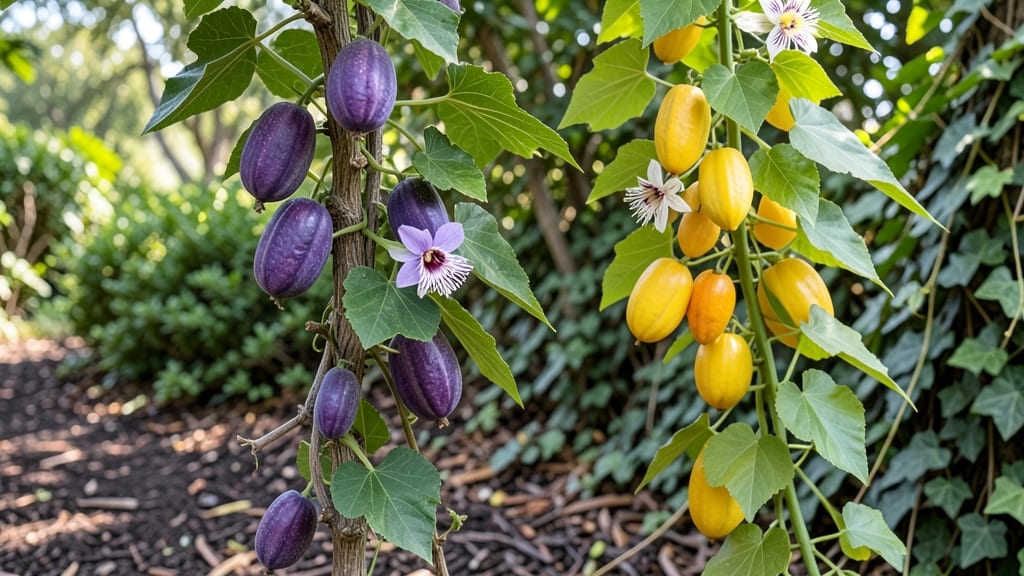
Growing purple passion fruit vs yellow passion fruit isn't just about color—it's about choosing a vine that thrives in your climate and delivers fruit that tastes like sunshine or mystery. 🌿 I've grown both in my Florida garden, and the differences go far beyond the rind.
Purple passion fruit loves cooler nights and produces fruit with a tart, almost floral punch, while yellow passion fruit craves heat and delivers a sweeter, more tropical flavor.
The yellow variety (Passiflora edulis flavicarpa) is the heavy hitter for hot climates—it produces more fruit per vine and handles humidity better than its purple cousin. Purple passion fruit (Passiflora edulis) is fussier but rewards patient growers with a unique, complex taste that's harder to find in stores.
Both need well-draining soil and full sun, but yellow passion fruit tolerates poorer soil and produces fruit year-round in warm zones.
Harvesting is where the real magic happens—yellow passion fruit ripens to a bright golden hue and splits open easily, revealing juicy, seed-filled pulp. Purple passion fruit stays green until fully ripe, when it turns deep purple and yields a more gelatinous, intensely flavored interior.
The yellow variety yields more consistently, but purple passion fruit's flavor is what serious fruit lovers chase.
If you're in a hot, humid climate, yellow passion fruit is the safer bet for reliable harvests. Cooler regions or gardeners who love a challenge should try purple passion fruit—just be ready to protect vines from frost and give them extra care.
Either way, you're getting a vine that's as dramatic as it is delicious.
The first product explained
Meet the Maracuja Purple Passion—a vibrant, high-yielding variety that’s taking home gardens by storm! 🌿💜 This stunning purple-fleshed passion fruit isn’t just a feast for the eyes; it’s packed with flavor, nutrients, and hardiness that makes it a favorite among both novice and seasoned growers. Let’s dive into what makes this tropical superstar stand out.
🌱 Key Specs & Features
- Variety: Passiflora edulis (Purple Passion Fruit)
- Fruit Color: Deep purple rind with vibrant purple pulp (vs. yellow’s golden hue)
- Flavor Profile: Rich, tangy-sweet with hints of tropical berry—more complex than yellow passion fruit!
- Yield: 200–400 fruits per vine (with proper care)
- Growth Habit: Perennial vine (can grow 20–30 feet if trellised)
- Cold Hardiness: Tolerates down to 20°F (-6°C) (better than yellow varieties in cooler climates)
- Pollination: Self-pollinating (but bees boost yields!)
- Harvest Time: 90–120 days from transplanting (earlier than yellow in some cases)
🎯 Who’s It For?
This purple passion fruit is a dream for:
- Home gardeners who love bold flavors and Instagram-worthy harvests.
- Small-scale farmers seeking a high-value, low-maintenance crop.
- Health-conscious growers—purple passion fruit is richer in antioxidants (like anthocyanins) than yellow!
- Urban gardeners with vertical space (trellises work wonders!).
💰 Price Point & Value
Purple passion fruit vines typically range from $15–$30 USD per plant, depending on the nursery and size. While the upfront cost might be slightly higher than yellow varieties, the superior flavor, disease resistance, and longer shelf life of the fruit make it a worthwhile investment.
Plus, once established, the vine produces year after year—think of it as a perennial payoff!
Pro Tip: 💡 Buy from reputable nurseries (like Fast-Growing-Trees.com or local tropical plant specialists) to ensure disease-free, grafted plants—a game-changer for avoiding common passion fruit ailments!
The second product explained
Next up, let’s dive into Product B: Organic Passion Fruit Seedlings – Purple Variety 🌱✨, the star of the show for those craving deep, tangy-sweet flavors and a pop of vibrant color in their gardens.
This premium offering is perfect for gardeners who want to grow their own tropical treats without the fuss of starting from scratch.
🌿 Key Specs & Features
- Variety: Purple passion fruit (Passiflora edulis f. edulis)
- Growth Type: Vigorous, fast-growing vine (up to 20 feet per season!)
- Fruit Color: Rich, deep purple when ripe (yes, it’s as stunning as it sounds!)
- Flavor Profile: More tart and complex than yellow varieties, with hints of berry and citrus
- Climate Suitability: Thrives in USDA Zones 7-11 (with winter protection in cooler areas)
- Organic Certification: GMO-free, chemical-free, and ready for sustainable gardening
- Packaging: Comes in a 3-pack of healthy, disease-resistant seedlings with care instructions
🎯 Who’s It For?
This purple passion fruit is a dream for:
- Home gardeners who love tropical fruits and want to impress with a unique harvest
- Small-scale farmers looking to diversify their crops with high-demand, visually striking fruit
- Foodies and chefs who crave bold flavors for smoothies, desserts, or savory dishes
- Eco-conscious growers prioritizing organic, low-maintenance plants
💰 Price Point & Value
Priced at $29.99 for the 3-pack, this product offers exceptional value for its quality and convenience. While it’s a slight investment upfront, the long-term rewards—juicy, homegrown passion fruit for years to come—make it a steal.
Plus, you’ll save money compared to buying fresh purple passion fruit at specialty stores!
💡 Pro Tip: Pair these seedlings with a sturdy trellis or fence to maximize space and support their rapid growth. Purple passion fruit vines are heavy producers, so give them room to shine!
Head-to-head comparison
Ready to dive into the purple vs. yellow passion fruit showdown? 🌿🍈 Whether you're a seasoned gardener or just starting your tropical adventure, understanding the key differences between these two varieties will help you pick the perfect passion fruit for your garden—or even your plate!
Below, we break down everything from flavor and growth habits to disease resistance and yield in a side-by-side comparison that makes choosing a breeze.
🌱 Growth Habits & Vines
If you're dreaming of lush, sprawling vines that climb fences or trellises, both purple and yellow passion fruit deliver—but with some key differences:
- Purple Passion Fruit (Passiflora edulis f. edulis):
- Grows faster and can reach 20-30 feet if left unpruned.
- More aggressive in growth, often requiring staking or pruning to control spread.
- Prefers warmer climates (USDA Zones 8-11) but can tolerate slight frost with protection.
- Produces smooth, oval-shaped fruits with a thick, purple rind.
- Yellow Passion Fruit (Passiflora edulis f. flavicarpa):
- Grows slightly slower but still vigorous, typically 15-25 feet in ideal conditions.
- More compact than purple varieties, making it easier to manage in smaller gardens.
- Thrives in tropical and subtropical zones (USDA Zones 9-11) but may struggle in cooler areas.
- Features oval to round fruits with a thicker, yellow-orange rind and a smoother texture.
💡 Pro Tip: If you're in a cooler climate, purple passion fruit might be your best bet—it’s more cold-hardy! But if you're in a hot, humid region, yellow passion fruit could outperform with fewer pests.
🍈 Flavor & Culinary Uses
This is where things get really interesting! The flavor profiles of purple and yellow passion fruit are distinct, and your choice might depend on whether you're making smoothies, desserts, or savory dishes.
| Category | Purple Passion Fruit | Yellow Passion Fruit |
|---|---|---|
| Flavor Profile | Tart, complex, and slightly bitter with floral and citrusy notes. | Sweeter, milder, and more tropical with honey-like undertones. |
| Pulp Texture | Thicker, grainier, and more fibrous. | Smoother, creamier, and less seedy. |
| Best For |
|
|
| Juice Yield | Lower juice yield (~20-30% of fruit weight). | Higher juice yield (~30-40% of fruit weight). |
💡 Pro Tip: If you love bold, tangy flavors, purple passion fruit is your jam! But if you prefer something sweeter and more versatile, yellow passion fruit wins. For maximum juice, yellow is the clear choice.
🌿 Disease Resistance & Pests
Both varieties are generally hardy, but they don’t face the same threats. Knowing their weaknesses can save your garden from heartbreak!
- Purple Passion Fruit:
- More susceptible to woodiness virus and bacterial blight.
- Attracts fruit flies and passion vine hoppers more frequently.
- Prone to fungal issues like powdery mildew in humid climates.
- Weakness: Poor air circulation can lead to rot.
- Yellow Passion Fruit:
- More resistant to viral diseases like woodiness.
- Less attractive to pests like fruit flies (though not immune!).
- Handles heat and humidity better, reducing fungal risks.
- Weakness: Can struggle with nutrient deficiencies if soil isn’t rich.
💡 Pro Tip: To boost disease resistance in purple passion fruit, prune regularly for airflow and avoid overhead watering. For yellow passion fruit, mulch well to retain moisture and nutrients.
💰 Price & Availability
If you're buying seeds, plants, or even fresh fruit, costs can vary wildly depending on where you live and how you source them.
| Factor | Purple Passion Fruit | Yellow Passion Fruit |
|---|---|---|
| Seed/Plant Cost (Online Nurseries) | $10–$25 per plant (sometimes harder to find). | $8–$20 per plant (more widely available). |
| Fresh Fruit Cost (Grocery Stores) | $3–$6 per fruit (seasonal, often imported). | $2–$5 per fruit (more commonly stocked). |
| Yield per Plant (Annual) | ~50–100 fruits (with proper care). | ~100–20
Which one should you choose?So, you’ve weighed the flavors, colors, and growing quirks—now it’s time to pick your passion fruit champion! 🌱✨ The choice between purple and yellow passion fruit boils down to your priorities: flavor, climate, maintenance, or even aesthetic appeal. Here’s your tailored verdict to help you decide: 🌞 Pick Purple Passion Fruit If...
🍋 Pick Yellow Passion Fruit If...
🌿 Pro Tip for Hybrid Happiness:Can’t decide? Try growing both! Purple passion fruit’s disease resistance can complement yellow’s sweetness, and their vines can even intertwine for a stunning, productive trellis. Plus, mixing flavors in smoothies or desserts creates a next-level taste experience. 💡 Remember: location, soil, and care matter more than color! Test your local climate’s suitability for each variety before planting. Whether you go purple for passion or yellow for joy, your garden—and taste buds—will thank you! |