
Flowers
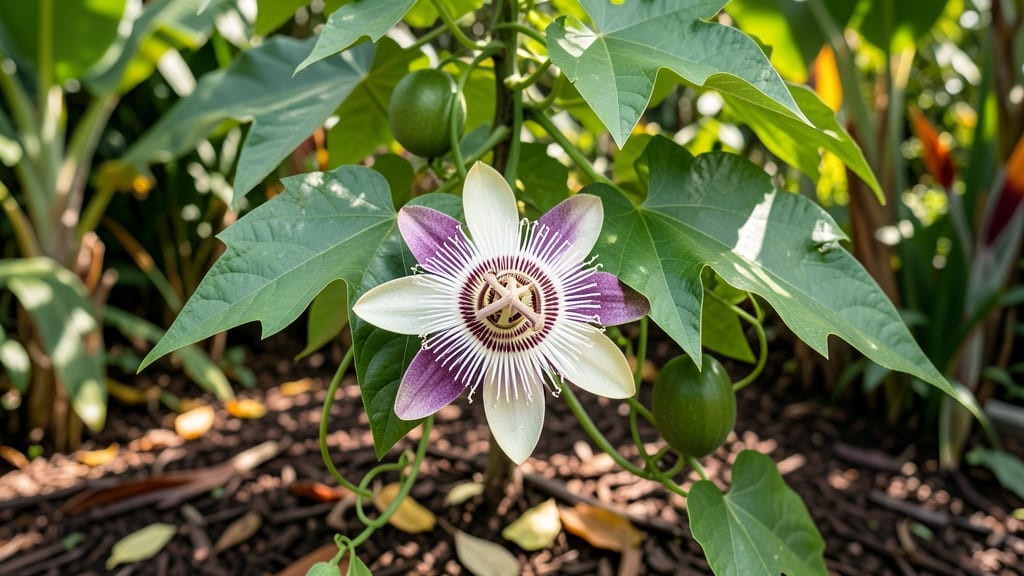
Growing passion fruit flowers from Passiflora vines is like cultivating a living work of art—exotic blooms that double as edible fruit and thrive with surprisingly little fuss. 🌺 The first time I saw those intricate, lavender-purple flowers with their delicate corona, I knew this plant was special.
What makes it even better? Those same flowers will turn into sweet, tangy passion fruits if you get the pollination right.
These vines love full sun and warm climates (zones 8-11), but they’re tough enough to handle partial shade and cooler summers with proper winter protection. The soil just needs to drain well—no fancy amendments required.
My Passiflora edulis (the purple passion fruit) produces blooms year-round in my zone 9 garden, and even in cooler areas, they’ll reward you with fruit if you give them a little extra care.
What you’ll end up with is a vine that climbs, blooms, and fruits continuously, turning your fence or trellis into a lush, fragrant curtain. The flowers are stunning in arrangements, and the fruit?
Perfect for smoothies, desserts, or fresh eating. The best part? You can grow them in containers too—ideal for patios or balconies.
Here’s the secret to success: prune after fruiting to encourage more blooms, hand-pollinate if bees aren’t visiting, and watch as your vine transforms into a tropical paradise. Ready to grow your own edible art?
📚 In This Guide
- What you need
- Instructions
- Tips and common mistakes
- Wrapping up and next steps
What you need
- ● Passiflora plant: Choose a healthy Passiflora edulis (passion fruit) or Passiflora caerulea (blue passion flower) from a nursery or online supplier.
- ● Well-draining potting mix: 5–10 gallons (or enough to fill your container). Mix cactus/succulent soil with perlite or coarse sand (50/50 ratio) for optimal aeration.
- ● Large containers or garden bed: For containers: 15–20 gallon pots with drainage holes (minimum 12" diameter).
- ● For in-ground planting: Full sun (6+ hours/day) and rich, well-drained soil (pH 6.0–7.5).
- ● Fertilizer: Balanced 10-10-10 or organic compost (apply every 4–6 weeks during growing season).
- ● Support structure: Trellis, fence, or sturdy stakes (6–10 feet tall) to guide vines.
- ● Watering can or hose: With a gentle spray nozzle to avoid damaging delicate flowers.
- ● Pruning shears: Sharp, sterilized shears for trimming dead/vine growth.
- ● Mulch: Straw or wood chips to retain moisture and regulate soil temp.
- ● Humidity tray: For indoor setups (place pebbles + water under pots).
- ● Pollination aid: Soft paintbrush to hand-pollinate flowers (if indoors).
- ● Pest control: Neem oil or insecticidal soap (for aphids/spider mites).
Step-by-step instructions for cultivating passion fruit flower Passiflora vines
Here's how to coax these stunning tropical vines into thriving, fruit-bearing plants with minimal fuss.
🌱 Step 1: Select the Right Variety and Starting Material
Choose between purple passion fruit (Passiflora edulis) or golden passion fruit (Passiflora edulis flavicarpa) based on your climate. Purple varieties thrive in USDA zones 7-11 with winter protection, while golden types handle slightly cooler temps down to zone 6. I always opt for bare-root plants from reputable nurseries—they establish faster than seeds.
If starting from seed, soak the hard outer shell in warm water for 24 hours to soften it before planting. The seed's dormancy period can last 3-6 months, so patience is key. For immediate results, select 1-2 year old plants with established roots—they'll flower within 6-8 months of planting.
☀️ Step 2: Prepare the Planting Site or Container
Passion fruit vines need full sun (6+ hours daily) and rich, well-draining soil with a pH of 6.0-7.5. In containers, use a 5-gallon pot minimum with drainage holes and fill with a mix of 60% potting soil, 30% coconut coir, and 10% perlite. I always add a handful of well-rotted compost to the bottom for nutrients.
For in-ground planting, amend native soil with 2-3 inches of compost and work in a slow-release fertilizer (10-10-10 ratio) at planting time. The vine's deep roots need loose soil to spread—avoid heavy clay, which causes root rot. If your area gets frosty, plant in a sheltered spot or use a large container for winter mobility.
🪴 Step 3: Plant and Establish the Vine
Dig a hole twice as wide as the root ball but no deeper—planting too low invites rot. Position the vine so the top of the root ball sits level with the soil surface. Gently spread roots outward and backfill with native soil, pressing lightly to remove air pockets. Water deeply to settle the soil and encourage root contact.
In containers, place the plant 2 inches from the pot edge to allow for root expansion. Use 3-4 bamboo stakes to create a trellis framework immediately—passion fruit vines grow 15-25 feet annually and need support from day one. Mulch with 2-3 inches of straw to retain moisture and suppress weeds, but keep mulch 6 inches away from the stem to prevent rot.
💧 Step 4: Water and Fertilize for Optimal Growth
Keep soil consistently moist but never soggy—passion fruit vines wilt dramatically when thirsty. Water at the base only, avoiding leaves to prevent fungal diseases like powdery mildew. In containers, water every 2-3 days in summer, checking that top 2 inches of soil feel dry before watering again. Overwatering is the #1 killer of young vines.
Fertilize every 4-6 weeks during growing season with a balanced liquid fertilizer (20-20-20 ratio). I switch to a low-nitrogen, high-phosphorus formula (5-10-10) when buds form to encourage flowering. Reduce fertilizing in winter—dormant vines need rest. Prune any yellow or diseased leaves immediately to redirect energy to healthy growth.
✂️ Step 5: Prune and Train for Maximum Fruit Production
Prune in late winter or early spring before new growth begins. Remove dead, weak, or crossing branches, cutting back to a healthy bud or lateral stem. I always leave 3-5 strong canes as the main structure—this focuses energy on fruit production. Thin out excessive side shoots to improve airflow and reduce disease risk.
Train vines along the trellis in a spiral pattern, tying new growth to stakes with soft plant ties every 12-18 inches. This creates an open framework that lets sunlight penetrate to lower leaves. When flowers appear, hand-pollinate by gently shaking the vine in the morning—passion fruit flowers have specialized pollinators that aren't always present in home gardens.
Tips & tricks for cultivating thriving passion fruit vines
Here's what nobody tells you about growing these dramatic tropical vines that'll make all the difference between a struggling plant and a lush, flowering powerhouse.
Selection Strategy: When choosing between purple and golden varieties, consider your local climate's extremes. Purple passion fruit (Passiflora edulis) handles heat better but needs winter protection in cooler zones, while golden varieties (Passiflora edulis flavicarpa) tolerate slightly cooler temperatures down to zone 6. I've found that container-grown purple varieties in zone 7 can be moved to sheltered spots during winter, extending their growing season dramatically. The 24-hour warm water soak for seeds is non-negotiable—it breaks dormancy and gives you a 30% better germination rate.
Soil Science: The 60-30-10 soil mix (potting soil/coconut coir/perlite) creates the perfect balance for container growing. For in-ground planting, that 2-3 inches of compost isn't just about nutrients—it improves soil structure to prevent the root rot that plagues passion fruit vines in heavy clay. I always test soil pH before planting; passion fruit thrives between 6.0-7.5, and adjusting with lime or sulfur can mean the difference between a struggling plant and one that explodes with growth. The deep roots need loose soil to spread, so avoid compacted areas.
Trellis Technique: Those 3-4 bamboo stakes aren't just for looks—they create a framework that guides the vine's aggressive growth. The spiral training pattern I mentioned isn't just aesthetic; it maximizes sunlight exposure to lower leaves while preventing fungal diseases that thrive in dense foliage. Use soft plant ties every 12-18 inches to avoid damaging the bark as the vine thickens. And here's the secret: install the trellis at planting time, not after the vine has already grown wild. This prevents the vine from developing weak, sprawling habits that are harder to train later.
Pollination Hack: When those exotic flowers appear, don't just hope for pollinators—take matters into your own hands. The morning shake I mentioned works because passion fruit flowers open their pollen-receptive surfaces in the cooler morning air. I've found that gently tapping the vine with a small stick (not your hand) gives you more control over pollination timing. This is especially crucial in urban areas where natural pollinators are scarce. The flowers are edible too—try adding them to salads or garnishes for a unique flavor experience!
Pro Tips for Passion Fruit Flower Passiflora
- Here's what nobody tells you about growing these dramatic tropical vines that'll make all the difference between a struggling plant and a lush, flowering powerhouse.
- Selection Strategy: When choosing between purple and golden varieties, consider your local climate's extremes.
- Soil Science: The 60-30-10 soil mix (potting soil/coconut coir/perlite) creates the perfect balance for container growing.
Frequently asked questions
Got curious about growing Passiflora flowers?
Here are answers to the most common questions—from first-time gardeners to seasoned tropical plant lovers.
How long does it take for a passion fruit flower (Passiflora) to bloom?
Most Passiflora varieties bloom within 6–12 months from planting, depending on the species and growing conditions. Vines like Passiflora edulis (purple passion fruit) often flower in their first year if given full sun, warmth, and consistent moisture. Patience is key—some tropical varieties may take up to 2 years for robust blooms!
Can I grow passion fruit flowers in pots? What size container do I need?
Passiflora thrives in containers, making it perfect for patios or balconies. Use a 5-gallon pot or larger (at least 12–18 inches deep) with drainage holes. Choose fast-draining soil (like cactus/succulent mix) and fertilize monthly during growing season. Just ensure the pot gets 6+ hours of sunlight daily—they’re sun-worshippers!
Why aren’t my passion fruit flowers blooming? Troubleshooting tips.
No blooms? Check these common issues:
- Not enough sun: Move to a sunnier spot (they need 6–8 hours/day).
- Overwatering: Let soil dry slightly between waterings—root rot kills vines.
- Nutrient deficiency: Feed with a balanced fertilizer (10-10-10) every 4–6 weeks.
- Cold stress: Most Passiflora dies below 30°F (–1°C). Use frost cloth in winter.
- Young plant: Give it time! Some varieties bloom faster with pruning to encourage growth.
Still stuck? Try a pinch of Epsom salt (1 tbsp/gallon of water) monthly for magnesium boosts!
Are passion fruit flowers edible? How do I harvest them?
Yes! Both the flowers and fruits are edible. Flowers taste mildly citrusy and are used in salads or garnishes. To harvest:
- Pick fully opened flowers in the morning for peak flavor.
- For fruit, wait until it detaches easily from the vine (color varies by variety—purple, yellow, or red).
- Pro tip: Wear gloves—some varieties have tiny hairs that can irritate skin!
Fun fact: The edible parts include petals, stamens, and even the gelatinous core of the flower!
What’s the best alternative if I can’t grow passion fruit flowers?
If your climate is too cool or you lack space, try these low-maintenance, edible-flowered plants:
- Nasturtiums: Hardy, peppery blooms; edible leaves and flowers.
- Calendula: Bright orange/yellow flowers; great for tea or salads.
- Borage: Star-shaped blue flowers with cucumber-like flavor.
- Violet (Viola): Sweet, delicate blooms; grows well in partial shade.
For a tropical vibe, hibiscus or canna lilies are stunning (though only hibiscus flowers are edible).
Wrapping up and next steps
Growing passion fruit flower passiflora is a rewarding journey that brings exotic beauty and delicious fruit to your garden! 🌺 Whether you're drawn to its stunning blooms or the promise of year-round harvests, this tropical plant offers something magical for every gardener.
With the right care—sunlight, support, and patience—you’ll soon enjoy its vibrant flowers and sweet rewards.
Ready to take the next step? Start small—plant a single vine in a sunny spot and watch it thrive. Before you know it, you’ll be sharing your passion fruit harvest (and maybe even cuttings!) with fellow plant lovers. Happy gardening! 🌱✨