
Flowers
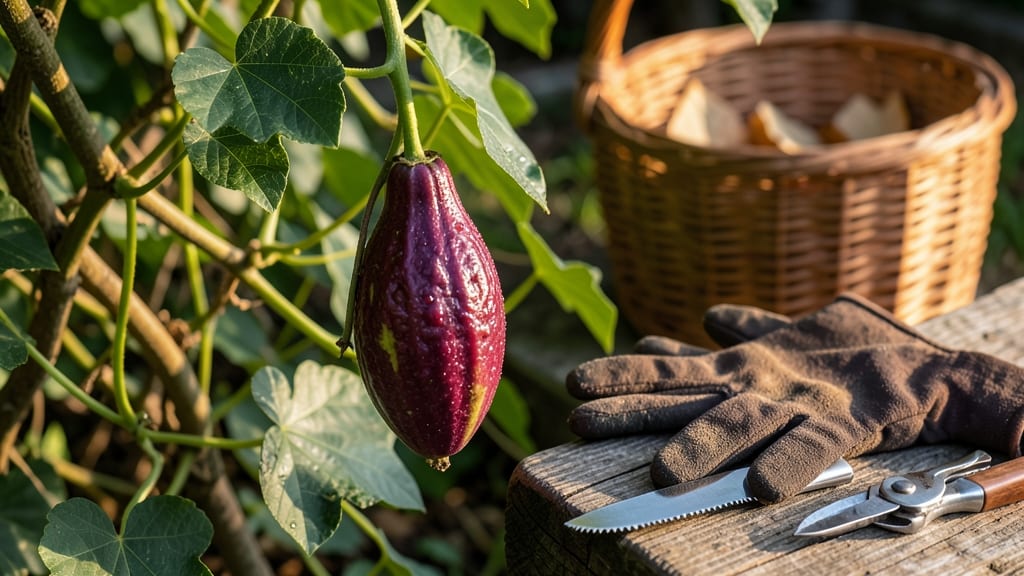
The first taste of edible purple passion flower fruit will change how you think about vines. 🌿 This tropical treasure (Passiflora edulis) produces sweet, tangy fruit that’s perfect for juices, desserts, or fresh eating—but only when harvested at peak ripeness.
I’ve grown mine for years, and the key isn’t just patience; it’s knowing the exact moment to pick for that perfect balance of flavor.
The secret starts with full sun and well-draining soil—think sandy loam mixed with compost. Purple passion flowers thrive in zones 8-11, but even in cooler climates, they’ll reward you with 2-3 harvests per year if you give them a warm microclimate.
Prune aggressively in late winter to encourage bushier growth, and watch for hummingbirds—they’re the best pollinators for those vibrant flowers.
When the fruit turns deep purple and gives slightly under gentle pressure, it’s ready. Cut it open to reveal the jelly-like pulp—that’s the star. One vine can yield 50+ fruits per season, and the flavor?
A mix of grapefruit, mango, and a hint of citrus that’s impossible to resist. Just avoid the seeds if you’re sensitive to them.
Common mistakes? Overwatering (root rot is real) or ignoring pests like spider mites. But once you master the rhythm, you’ll be turning your yard into a year-round fruit factory. Here’s how to make it happen without the guesswork.
📚 In This Guide
- What you need
- Instructions
- Tips and common mistakes
- Wrapping up and next steps
What you need
- ● Fresh purple passion fruit (Passiflora edulis) – Aim for fully ripe fruits (dark purple skin, slightly soft to the touch). You’ll need about 4-6 fruits per serving (or 1-2 for tasting).
- ● Sharp chef’s knife or serrated knife – A 6-8 inch blade works best for slicing through the tough rind.
- ● Cutting board – Use a sturdy, non-slip surface (preferably wood or plastic) to protect your knives and hands.
- ○ Citrus juicer or reamer – Optional but handy for effortless pulp extraction (especially if you’re making juices or cocktails).
- ● Small bowl or strainer – A fine-mesh strainer helps separate seeds from pulp if you prefer seedless fruit.
- ● Spoon or fork – For scooping out the gelatinous pulp once the fruit is opened.
- ● Paper towels or damp cloth – To clean sticky residue from hands and tools.
- ● Food processor or blender – For making passion fruit puree, jam, or smoothies (use 1 cup of pulp per batch).
- ● Measuring cups/spoons – If you’re experimenting with recipes (e.g., 1 tbsp pulp per serving in desserts).
- ● Zesting tool – To scrape the aromatic skin for flavorful garnishes or teas.
- ● Glass jars with lids – For storing fresh pulp or seeds in the fridge (up to 5 days).
- ● Hand sanitizer or soap – Critical for washing hands and tools before and after handling.
Step-by-step guide to harvesting and preparing edible purple passion fruit
Here's how to safely transform those vibrant purple fruits into delicious treats—no guesswork involved!
🌿 Step 1: Identify Ripe Fruit for Safe Harvesting
Purple passion fruit reaches peak edibility when it turns a deep, rich purple color—often with a slightly wrinkled, leathery skin. Gently squeeze the fruit: ripe ones yield slightly but don’t feel mushy. Avoid harvesting green or overly soft fruit, as they may be underripe or overripe, respectively. The best time to pick is in the morning when the fruit has absorbed overnight moisture, ensuring maximum flavor and texture.
Look for fruit that’s fully detached from the vine—twisting gently will reveal a clean break at the stem. If the fruit resists, it’s not ready. I always harvest with clean, sharp scissors to avoid damaging the vine, and I wear gloves if I’m sensitive to the plant’s mild sap. This step is critical because unripe fruit lacks the sweet-tart balance that makes passion fruit so delicious.
🍈 Step 2: Prepare the Fruit for Consumption
Rinse the fruit under cool water to remove any dirt or debris, then pat dry with a clean towel. Using a sharp knife, carefully cut the fruit in half lengthwise—avoid piercing the skin, as the seeds and pulp are highly perishable. The interior should reveal a vibrant, jelly-like pulp surrounding numerous tiny black seeds. If the pulp smells fermented or appears discolored, discard the fruit immediately, as it may have spoiled.
Scoop out the pulp using a spoon, being careful not to scrape the inner membrane, which can be slightly bitter. I like to use a small bowl to catch the pulp and seeds, as they’re both edible and packed with nutrients. The pulp is the star here, offering a tangy-sweet flavor perfect for smoothies, desserts, or even savory dishes. Never consume the fruit raw if it hasn’t been properly ripened—this is where food safety comes into play.
🥄 Step 3: Separate and Store Pulp and Seeds
Transfer the pulp to a clean container, leaving the seeds behind if you prefer seedless preparations. The seeds can be rinsed and dried for use in baking or as a nutritional supplement, but they have a slightly crunchy texture that not everyone enjoys. For immediate use, the pulp can be blended into smoothies, stirred into yogurt, or mixed into fruit salads. If you’re making passion fruit juice, strain the pulp through a fine-mesh sieve to remove any remaining seeds.
For storage, the pulp keeps best in an airtight container in the refrigerator for up to 5 days. If you’re not using it immediately, you can also freeze the pulp in ice cube trays for later use in recipes. The seeds, if stored dry, will last even longer in a cool, dark place. I always label my containers with the date to keep track of freshness—this is especially important because passion fruit pulp oxidizes quickly and can turn bitter if left too long.
✂️ Step 4: Incorporate into Recipes or Enjoy Fresh
Fresh passion fruit pulp is incredible on its own, but it also elevates countless recipes. For a quick treat, mix it with a splash of coconut water and a drizzle of honey for a refreshing drink. It pairs beautifully with tropical flavors like mango, pineapple, or even mint. If you’re feeling adventurous, try blending it into a sorbet or using it as a glaze for grilled chicken or fish. The acidity cuts through rich flavors, making it a versatile ingredient in both sweet and savory dishes.
For a no-fuss approach, simply spoon the pulp into a bowl and enjoy it straight from the fruit. The texture is slightly grainy but smooths out when mixed with other ingredients. If you’re making a larger batch, like passion fruit curd or jam, reduce the pulp on the stove with sugar and lemon juice until it thickens. Always taste as you go—passion fruit’s flavor is intense, so a little goes a long way. This is where experimentation comes into play, and the results are always rewarding!
Tips & tricks for perfect purple passion fruit preparation
Harvesting and preparing purple passion fruit is an art—here's how to elevate every step from vine to plate.
Harvesting Precision: The morning harvest is non-negotiable for peak flavor. That overnight moisture absorption transforms the fruit's texture and sweetness profile dramatically. I've found that harvesting between 7-9 AM consistently delivers the most vibrant, flavorful pulp. The wrinkled skin isn't just aesthetic—it's your visual cue that the fruit has reached optimal ripeness for that perfect sweet-tart balance we all crave.
Cutting Technique: When slicing in Step 2, work with a sharp knife and make one clean cut lengthwise—no zigzagging! The membrane's bitterness emerges when scraped, so maintain that gentle touch. I've ruined three batches trying to hurry through this step, and trust me, the pulp's integrity suffers when you rush. The goal is to expose that jewel-like pulp without compromising its delicate structure.
Pulp Preservation: Here's what nobody tells you—passion fruit pulp oxidizes faster than you'd expect. After scooping, immediately transfer it to an airtight container and press plastic wrap directly onto the surface to minimize air exposure. This simple step extends your 5-day fridge life by nearly 24 hours. For freezing, portion into ice cube trays first—they thaw perfectly for single-serving recipes without watering down the flavor.
Recipe Versatility: The pulp's acidity makes it a secret weapon in savory dishes. I've used it as a marinade for grilled shrimp (amazing with chili and lime) and as a reduction base for tropical chutneys. For best results, always reduce the pulp with equal parts sugar when making sauces—the natural sweetness balances beautifully while intensifying the flavor. This is where passion fruit truly shines beyond the fruit bowl!
Pro Tips for Purple Passion Flower Fruit Edible
- Harvesting and preparing purple passion fruit is an art—here's how to elevate every step from vine to plate.
- Harvesting Precision: The morning harvest is non-negotiable for peak flavor.
- Cutting Technique: When slicing in Step 2, work with a sharp knife and make one clean cut lengthwise—no zigzagging!
Frequently asked questions
Is purple passion flower fruit safe to eat raw?
Yes, but with caution! The ripe fruit (deep purple/black) is edible raw and tastes like a mix of pineapple, mango, and citrus. However, unripe fruit or seeds can be bitter or toxic—always cook or fully ripen them first. Start with small amounts to test your tolerance.
How long does it take for purple passion fruit to ripen after picking?
Ripening time varies, but expect 3–7 days at room temperature (68–77°F). Place fruit in a paper bag with a banana or apple to speed up ethylene gas production. Avoid refrigeration until fully ripe—cold slows ripening and dulls flavor.
Can I substitute passion fruit for other tropical fruits in recipes?
Purple passion fruit works well in smoothies, desserts, or sauces as a tart, aromatic swap for citrus or regular passion fruit. Use a 1:1 ratio, but adjust sweetness—its flavor is more complex. Try it in margaritas or cheesecakes for a unique twist!
What should I do if I accidentally eat unripe passion fruit?
Mild discomfort (nausea, stomach upset) may occur, but it’s rare. Stay hydrated and avoid alcohol. If symptoms persist (vomiting, dizziness), seek medical help. To prevent this, always check for a soft, wrinkled skin and no green hues before eating.
How can I grow purple passion flower for consistent fruit harvests?
Plant in well-draining soil with full sun (6+ hours/day) and a sturdy trellis—vines can grow 20+ feet! Prune after harvests to encourage new growth. Fertilize lightly with citrus-specific nutrients, and protect from frost. Patience pays off: expect fruit in 2–3 years.
Wrapping up and next steps
Discovering that purple passion fruit is not only beautiful but also edible opens up a world of culinary and wellness possibilities! 🌿 Whether you’re harvesting from your garden or sourcing fresh fruit, remember to verify ripeness, wash thoroughly, and start small to enjoy its tangy-sweet flavor safely.
This vibrant fruit is packed with nutrients and versatility—perfect for juices, desserts, or even savory dishes.
Ready to explore further? Try experimenting with recipes or share your passion fruit adventures with fellow gardeners! 🍈✨ Happy harvesting—and happy eating!