
Fertilization
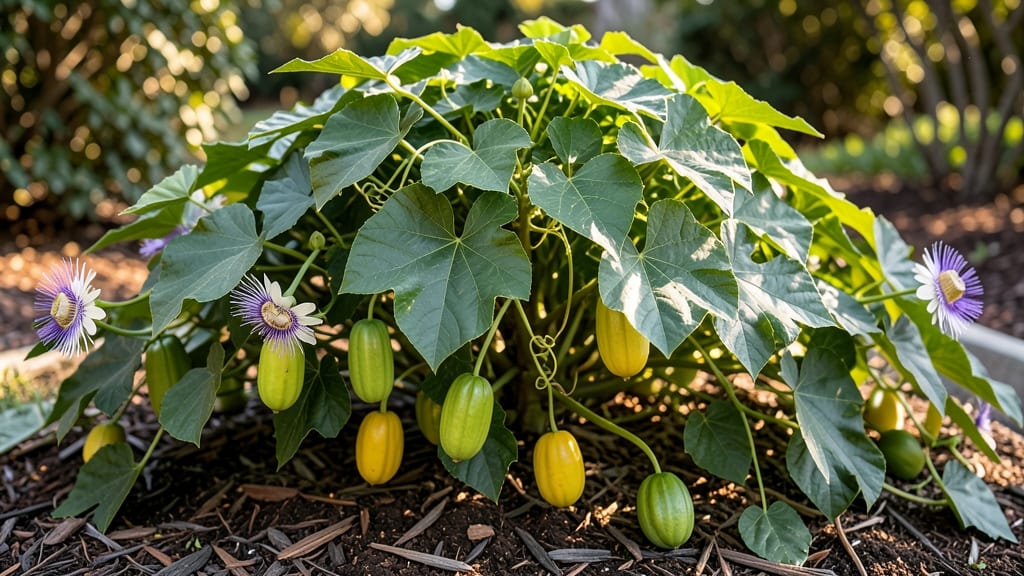
Growing giant passion fruit from seed means pound-sized tropical treats on your vine—if you nail the soil, sunlight, and support. 🌿 I’ve wrestled with this vine for years, and the secret isn’t just patience—it’s mimicking its natural jungle habitat in your backyard (or even a big container).
The key starts with well-draining, slightly acidic soil mixed with compost, because passion fruit vines hate soggy roots. They need full sun (6+ hours daily) and a sturdy trellis or fence—these vines can climb 20+ feet if given the chance.
Water deeply but let the top inch dry between soakings, and fertilize monthly with a balanced formula once flowering begins. By summer, you’ll see those 3-inch-wide fruits hanging heavy on the vine, their sweet-tart flesh bursting with seeds. The real magic?
One vine can produce 50+ pounds of fruit per season—enough to share (or can for winter). Works in zones 8-11, but even cooler climates can grow them in containers and overwinter indoors. Here’s how to keep them thriving year after year.
📚 In This Guide
- What you need
- Instructions
- Tips and common mistakes
- Wrapping up and next steps
What you need
- ● Giant passion fruit seeds – 5–10 seeds (ensure they’re fresh or pre-soaked for faster germination).
- ● Well-draining potting mix – 10–15 gallons (use a blend of coconut coir, perlite, and compost for optimal aeration).
- ● Large containers or nursery pots – 5-gallon minimum (or a raised bed if planting directly in the ground).
- ● Slow-release fertilizer – Balanced 10-10-10 or organic options like composted manure or worm castings (1–2 cups per plant).
- ● Organic mulch – Straw, wood chips, or shredded leaves (2–3 inches thick to retain moisture and suppress weeds).
- ● Trellis or sturdy support system – A 10–12-foot tall wooden or metal trellis (passion vines can grow aggressively!).
- ● Drip irrigation or watering can – Passion fruit thrives with consistent moisture (avoid overhead watering to prevent fungal issues).
- ● Pruning shears – Sharp, sterilized shears for trimming vines and shaping the plant.
- ● pH test kit – To monitor soil pH (ideal range: 6.0–7.5 for giant passion fruit).
- ○ Growth regulator – Like Paclobutrazol (optional for dwarfing vines if space is limited).
- ● Pollination aid – A small paintbrush or hand pollination tool (if growing in areas with few natural pollinators).
- ● Shade cloth – 30–50% coverage for seedlings to prevent scorching in hot climates.
- ● Fruit thinning tool – To remove excess fruit and redirect energy to larger, juicier passion fruits.
- ● Harvesting basket or gloves – Giant passion fruit can be heavy and spiky!
Step-by-step instructions for cultivating giant passion fruit vines
Here’s how to nurture these tropical giants from seed to fruit—with patience and precision.
🌱 Step 1: Start Seeds Indoors for Strong Germination
Giant passion fruit seeds need warmth to sprout, so begin indoors 8-10 weeks before your last frost date. Fill a small pot with moistened seed-starting mix (never garden soil—it’s too dense). Plant 1-2 seeds per pot just beneath the surface—only ¼ inch deep—since deeper planting delays germination. Cover lightly with a sprinkle of mix to keep seeds in place.
Place the pot in a warm location (75-85°F)—a seedling heat mat works wonders. Keep the soil consistently damp but never soggy; mist lightly daily if the surface dries. Seeds typically sprout in 10-20 days, though some stubborn ones may take up to 30 days. Once seedlings emerge, remove the weaker one if you planted two, leaving the strongest stem.
☀️ Step 2: Transition to Bright Light and Harden Off Seedlings
Passion fruit vines crave full sun (6+ hours daily) from the start, so move seedlings to a south-facing window or under grow lights as soon as they develop true leaves (the second set after the initial cotyledons). If using grow lights, position them 4-6 inches above the plants and keep them on for 14-16 hours daily. Leggy, pale seedlings mean your light isn’t strong enough—adjust immediately.
Two weeks before transplanting outdoors, begin hardening off your seedlings. Start by placing them outside in a sheltered, shaded spot for 1-2 hours the first day, then gradually increase exposure over 10-14 days. Watch for wilting or leaf burn—if you see either, they’re not ready yet. Only transplant when they tolerate full sun for 6+ hours without stress.
🪴 Step 3: Plant Outdoors in Warm, Well-Draining Soil
Giant passion fruit vines thrive in warm climates (USDA Zones 9-11) or as annuals in cooler regions. Choose a sunny, sheltered spot with 6-8 feet of vertical space—these vines grow aggressively! Dig a hole twice as wide as the root ball but no deeper. Amend the soil with compost to improve drainage, as passion fruit roots rot easily in soggy conditions. Plant at the same depth as the nursery pot.
Water deeply after planting to settle the soil, then mulch around the base with 2-3 inches of organic mulch (like straw or wood chips) to retain moisture and regulate soil temperature. Avoid overhead watering once established—water at the base to prevent fungal diseases. In cooler climates, treat as an annual or grow in containers and overwinter indoors.
✂️ Step 4: Prune and Train for Maximum Fruit Production
Giant passion fruit vines produce heavy, tropical fruit, so pruning encourages stronger growth. In early spring, trim back any dead or weak stems to open airflow. Once the vine reaches 6 feet tall, start training it along a trellis or fence—use soft ties to guide growth upward. Remove suckers (side shoots) that form at the base to direct energy into fruit production.
Here’s the key: Prune after harvest to stimulate new growth. Cut back overly long vines by one-third to encourage bushier, more productive branches. Watch for yellowing leaves—this often signals overwatering or nutrient deficiency. Feed with a balanced fertilizer (10-10-10) every 4-6 weeks during the growing season, but reduce nitrogen in late summer to promote flowering.
🍈 Step 5: Harvest and Encourage Repeat Blooming
Giant passion fruit ripens 6-8 months after planting, and you’ll know it’s ready when the fruit turns a deep yellow-green and feels slightly soft when gently squeezed. Twist gently to detach—never pull, or you’ll damage the vine. Harvest in the morning for peak flavor, and store at room temperature until fully ripe (they won’t ripen off the vine).
After harvest, prune lightly to remove spent blooms and encourage a second flush of flowers. In warm climates, vines may produce two crops per year if given consistent care. If growing in containers, repot every 2-3 years to refresh the soil—passion fruit vines are heavy feeders and deplete nutrients quickly. With patience, your vine will reward you with grapesize, aromatic passion fruit—worth every step!
Tips & tricks for cultivating giant passion fruit vines
Here's what nobody tells you about growing these tropical powerhouses—lessons I learned after watching my first batch struggle through inconsistent conditions.
Warmth is Non-Negotiable: That 75-85°F range for germination isn't just a suggestion—it's the sweet spot where seeds actually wake up. I tried keeping mine on a sunny windowsill once, and they took 45 days to sprout instead of the usual 10-20. Invest in a seedling heat mat if your home runs cooler than 70°F—it's the difference between impatient gardeners and successful growers. The moment you see those first true leaves, move them to bright light immediately, or you'll end up with leggy, weak seedlings that never recover.
Lighting Strategy for Leggy Seedlings: When your passion fruit seedlings start stretching toward the light like they're auditioning for a ballet, it's a cry for help. The 14-16 hours of daily light isn't just about duration—it's about intensity. If you're using grow lights, position them just 3-4 inches above the plants (closer than the suggested 4-6 inches) for the first week. This creates a more dramatic shadow effect that triggers thicker stems. Watch for leaves touching the light—if they do, you're too close and risk burning.
Harden Off Gradually: Those 1-2 hours of initial outdoor exposure in Step 2 can make or break your transplanting success. I learned this the hard way when my seedlings wilted dramatically after just 30 minutes of sun. Start with shade and work up to full sun over the full 10-14 days. A good test: If the leaves look slightly droopy after their outdoor time but perk up when brought back inside, they're ready for one more hour the next day. Never rush this process—passion fruit vines have delicate roots that need time to adjust.
Soil Science Matters: The "well-draining" requirement isn't just about water—it's about oxygen. Passion fruit roots need both to thrive. When amending your planting hole with compost, mix in perlite or coarse sand to create air pockets. I've seen vines in heavy clay soil develop root rot within weeks despite regular watering. After planting, press down gently around the base to eliminate air pockets, but don't compact the soil—this creates a perfect environment for fungal diseases that passion fruit vines are particularly susceptible to.
Pro Tips for Giant Passion Fruit
- Here's what nobody tells you about growing these tropical powerhouses—lessons I learned after watching my first batch struggle through inconsistent conditions.
- Warmth is Non-Negotiable: That 75-85°F range for germination isn't just a suggestion—it's the sweet spot where seeds actually wake up.
- Lighting Strategy for Leggy Seedlings: When your passion fruit seedlings start stretching toward the light like they're auditioning for a ballet, it's a cry for help.
Frequently asked questions
Got questions about growing giant passion fruit? You're not alone!
Here are answers to the most common queries—from planting to harvest—so you can master this tropical vine like a pro.
How long does it take for a giant passion fruit vine to bear fruit?
A giant passion fruit vine typically takes 2–3 years to produce fruit from seed, but faster results (1–2 years) are possible if you start with a grafted plant. Patience pays off—healthy vines reward you with huge, aromatic fruits (up to 8 inches long!) once established. Ensure full sun, proper support, and consistent care to speed up the process.
Can I grow giant passion fruit in containers, or does it need a garden?
Yes! Giant passion fruit thrives in large containers (15+ gallons) as long as they have drainage holes and room for roots to spread. Choose a 5-gallon pot minimum for young plants, then upgrade to a 10–15 gallon container as the vine matures. Use a lightweight potting mix and place the pot in a sunny spot—balconies, patios, or greenhouses work great if you live in cooler climates.
Why aren’t my giant passion fruit flowers turning into fruit?
Several factors can prevent fruiting, but the top culprits are:
- Lack of pollinators: Giant passion fruit needs bees or hummingbirds to pollinate. Hand-pollinate with a small brush if needed.
- Temperature stress: Vines need warmth (70–90°F). Cold snaps or frost can kill flowers.
- Nutrient deficiencies: Feed with a balanced fertilizer (10-10-10) and add compost for phosphorus.
- Immaturity: Young vines (under 1 year) may flower but not fruit.
Do giant passion fruit vines survive winter, or should I cut them back?
Giant passion fruit is tender and not frost-hardy—it dies in temps below 30°F. In cold climates:
- Grow in containers and move indoors (garage, greenhouse) when temps drop.
- Cut back vines to 1–2 feet in late fall, leaving a few nodes for regrowth.
- Mulch heavily if planted in the ground and protect with burlap wraps.
What’s the best way to harvest and store giant passion fruit?
Harvest when the fruit is fully colored (yellow/orange) and slightly soft to the touch—it should detach easily from the vine. Store at room temperature for 2–3 days or refrigerate (up to 1 week) for peak flavor. Don’t cut open until ripe! Overripe fruit turns mushy; use it for juices or smoothies if it softens too soon.
Wrapping up and next steps
Growing giant passion fruit is a rewarding journey that blends patience, care, and a touch of tropical flair! 🌿 With the right fertilization techniques—like balancing nitrogen, phosphorus, and potassium—you’ll nurture lush vines and bountiful harvests.
Remember, consistency is key, and your efforts will soon pay off with juicy, oversized fruits that taste like sunshine.
Ready to take the next step? Start small—plant your first seeds or seedlings today—and let your passion fruit vine thrive. Before you know it, you’ll be sharing your harvest with friends or savoring homemade treats. Happy growing! 🍈✨