
Fertilization
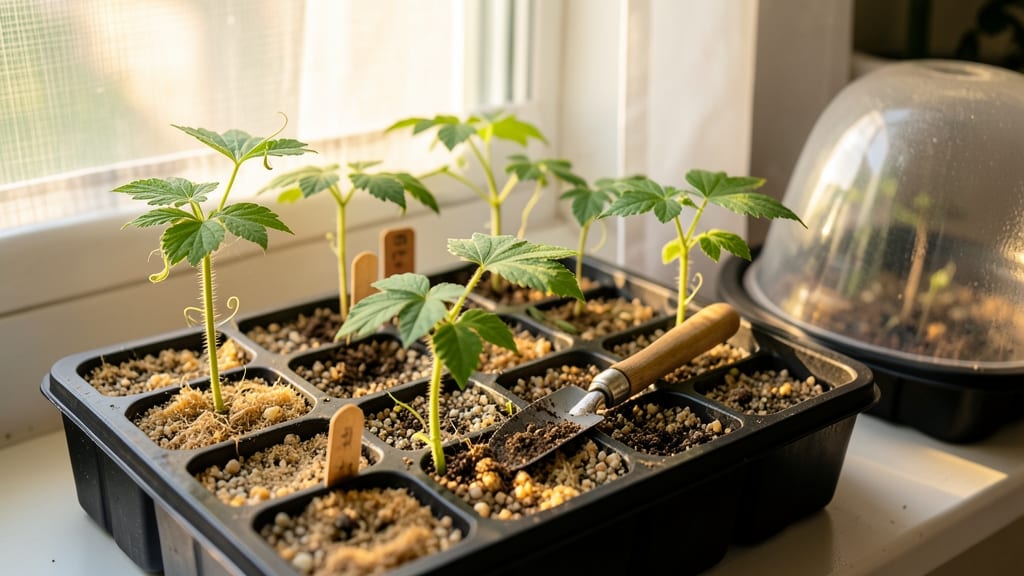
Passion fruit seedlings need warmth and patience to break through their tough shells—something I learned after my first batch took three weeks just to crack open. 🌱 The secret isn’t fancy equipment; it’s mimicking the tropical conditions they crave right from the start.
Most beginners rush germination, but slowing down here means stronger vines later. You’ll need a heat mat (or sunny windowsill), moist paper towels, and a spray bottle to keep things consistently damp.
Plant the seeds with the flat side down—this tiny detail makes all the difference in how quickly they sprout. Once they break through, transplant into small pots with well-draining soil and watch those first true leaves unfurl within 7-10 days.
What you end up with are sturdy seedlings ready to handle trellises and heavy fruit. The vines grow fast once established, and proper early care means fewer pests and stronger roots down the line. By summer, you’ll be harvesting those sweet, tangy fruits—if you avoid these common pitfalls.
This method works for both purple and yellow passion fruit varieties, though yellows tend to germinate slightly faster. The key is consistency: warmth, moisture, and light from day one. Let’s get those seeds sprouting!
📚 In This Guide
- What you need
- Instructions
- Tips and common mistakes
- Wrapping up and next steps
What you need
- ● Passion fruit seeds: Fresh, organic seeds from ripe passion fruit (10–20 seeds for a small batch). Pro tip: 💡 Save seeds from hybrid varieties for true-to-type results!
- ● Seed-starting trays: 2–3 shallow trays (2–3 inches deep) with drainage holes (or small pots for individual seedlings).
- ● Seed-starting mix: Lightweight, sterile potting soil (1–2 bags, 1–2 cubic feet each). Avoid garden soil—it’s too dense!
- ● Grow lights or sunny window: A full-spectrum LED grow light (or a south-facing window with 6+ hours of sunlight daily).
- ● Misting bottle or spray nozzle: For gentle watering (avoid oversaturating seeds!).
- ○ Plastic wrap or humidity dome: To retain moisture while seeds germinate (optional but helpful in dry climates).
- ○ Small fans (optional): A gentle breeze (from a fan on low) encourages stronger stems as seedlings grow.
- ● Fertilizer: A balanced, water-soluble fertilizer (5-5-5 or 10-10-10 NPK ratio, diluted to half-strength). ✨ Wait until seedlings have 2–3 true leaves before fertilizing!
- ● Transplanting tools: Small trowel or spoon for moving seedlings to larger pots or garden beds.
- ● Warmth: Ideal germination temperature: 70–85°F (21–29°C). Use a seedling heat mat if your space is cooler.
- ● Humidity: Keep soil consistently moist (not soggy) during germination. A humidity tray (pebbles + water) can help!
- ● Space: Passion fruit vines grow 10–20 feet—plan for vertical support (trellis or stakes) early!
Step-by-step instructions for growing passion fruit seedlings
Here’s how I’ve learned to coax passion fruit seeds into sturdy seedlings that thrive.
🌱 Step 1: Extract and Prepare the Seeds
Start by scooping out the fleshy pulp from a ripe passion fruit and scooping out the seeds. Rinse them under cool water to remove any remaining fruit residue—this prevents mold later. Lay the seeds on a paper towel to dry for 24 hours at room temperature. You’ll know they’re ready when the outer coating looks slightly wrinkled but not shriveled.
I like to soak the seeds in lukewarm water for 12-24 hours before planting. This softens the tough outer shell and speeds up germination. You’ll see tiny cracks form along the seed’s edges—this is your signal they’re ready to sprout.
💧 Step 2: Plant in Moist, Well-Draining Soil
Fill a small pot or seed tray with a mix of 50% potting soil and 50% perlite or coarse sand to ensure drainage. Passion fruit seedlings hate soggy roots, so I press the mix lightly into the container to create a firm but airy base. Plant the seeds ½ inch deep, spacing them 1 inch apart—they’ll need room to grow.
Water gently until the soil feels damp 1 inch deep. Use a spray bottle for the first watering to avoid displacing the seeds. Cover the tray with plastic wrap or a humidity dome to trap warmth and moisture. Place it in a warm spot, ideally 70-80°F, like near a sunny window or under a grow light.
☀️ Step 3: Monitor Germination and Light Needs
Germination takes 10-21 days, but patience is key—passion fruit seeds are slow starters. Keep the soil consistently moist but never waterlogged. You’ll spot the first true leaves emerging as small, rounded shapes. Once they appear, remove the plastic wrap immediately to prevent fungal growth.
Move the seedlings to a bright spot with 6-8 hours of indirect light daily. If using a grow light, keep it 4-6 inches above the seedlings and adjust as they grow. Leggy seedlings (stretched, pale stems) mean more light is needed—this is your cue to boost brightness immediately.
🌿 Step 4: Transplant When Roots Fill the Pot
After 6-8 weeks, your seedlings should have 3-4 sets of true leaves and roots filling their containers. Gently squeeze the pot—if roots tangle around the edges, it’s time to transplant. Choose 6-inch pots with drainage holes and fill them with a mix of 60% potting soil and 40% compost.
Dig a hole slightly deeper than the seedling’s root ball, place it in, and firm the soil around the base. Water deeply to settle the roots, then place the pot in a spot with morning sun and afternoon shade for the first week. This gradual adjustment prevents shock and encourages strong growth.
✂️ Step 5: Prune and Support for Healthy Growth
Once seedlings reach 12 inches tall, pinch off the top set of leaves to encourage bushier growth. Passion fruit vines grow aggressively, so I install a small trellis or sturdy stake at this stage. Gently tie the main stem to the support with soft twine—this prevents breakage as the plant climbs.
Fertilize lightly with a balanced 10-10-10 fertilizer diluted to half strength every 4-6 weeks. Over-fertilizing burns tender roots, so I always water the soil first to avoid salt buildup. Watch for yellowing leaves—they’re a sign of overwatering or nutrient imbalance, and adjusting care fixes it quickly.
Tips & tricks for growing passion fruit seedlings
Let me share the little details that made all the difference when I finally got my passion fruit seedlings thriving after years of struggling.
Seed Prep Matters: The 24-hour drying period is crucial—it prevents mold while keeping the seed coating flexible enough to crack during germination. I learned this the hard way after losing batches to fuzzy mold. For extra insurance, place the paper towel with seeds in a single layer on a mesh rack (like a cooling rack) to allow airflow underneath. This helps maintain that perfect wrinkled-but-not-shriveled texture.
Soaking Strategy: That 12-24 hour soak in lukewarm water is your germination accelerator, but don't skip the visual check for cracks. I now use clear glass jars for soaking so I can see when the seeds are ready—no more guessing! If you're impatient, you can extend the soak to 48 hours (not required, but nice for slower seeds), but don't exceed 72 hours or the seeds may start to rot.
Lighting Secrets: The 6-8 hours of indirect light in Step 3 is non-negotiable for strong seedlings. I've found that placing my grow light on a timer (6 hours on, 18 hours off) mimics natural daylight cycles perfectly. For natural light, east-facing windows work best—the morning sun is gentle but bright enough to prevent leggy growth. If your seedlings start stretching toward the light, it's time to move them closer or add supplemental light immediately.
Transplant Timing: The 6-8 week mark for transplanting is when roots get serious about exploring their containers. I test root readiness by gently squeezing the pot—if roots resist and feel dense at the edges, it's time. Pro tip: Use a chopstick to poke holes in the root ball before transplanting. This encourages new root growth outward into the fresh soil mix, giving your seedlings a stronger start.
Pro Tips for Passion Fruit Seedlings
- Let me share the little details that made all the difference when I finally got my passion fruit seedlings thriving a...
- Seed Prep Matters: The 24-hour drying period is crucial—it prevents mold while keeping the seed coating flexible enou...
- Soaking Strategy: That 12-24 hour soak in lukewarm water is your germination accelerator, but don't skip the visual c...
Frequently asked questions
Got questions about growing passion fruit seedlings? You’re not alone! Here are answers to the most common queries to help you get started on the right foot.
How long does it take for passion fruit seeds to germinate?
Passion fruit seeds typically germinate in 14 to 30 days, depending on temperature and moisture. Keep the soil consistently moist (but not soggy) and maintain a warm environment (around 70–85°F) to speed up the process. Patience is key—some seeds may take longer!
Can I grow passion fruit from store-bought fruit?
Yes! Just save the seeds from ripe passion fruit, rinse them thoroughly to remove pulp, and dry them for a day before planting. Pro tip: Store-bought seeds may have lower germination rates, so plant extra to ensure success. Hybrid varieties (like those from grocery stores) may not produce fruit identical to the parent plant.
When is the best time to plant passion fruit seedlings outdoors?
Wait until after the last frost and soil temperatures reach at least 65°F. In most climates, this means spring or early summer. Seedlings need warmth to thrive, so avoid planting too early—cold snaps can stunt growth or kill young plants.
Why are my passion fruit seedlings wilting or turning yellow?
Wilting or yellowing often signals overwatering, underwatering, or pests. Check the soil—it should be moist but not waterlogged. Inspect leaves for aphids or mites (common culprits) and treat with neem oil if needed. Ensure seedlings get bright, indirect light to avoid stress.
Can I grow passion fruit from cuttings instead of seeds?
Take 4–6 inch cuttings from healthy vines, remove lower leaves, and dip in rooting hormone. Plant in moist soil and cover with a plastic bag to retain humidity. Cuttings root faster than seeds and preserve the parent plant’s traits—ideal for varieties like Purple or Yellow Passion Fruit!
Wrapping up and next steps
Growing passion fruit seedlings from scratch is a rewarding journey that blends patience with passion—literally! 🌱 By mastering the right soil, temperature, and care techniques, you’ll set the stage for lush vines and sweet, tropical fruit.
Remember, consistency is key: whether you’re nurturing seeds or transplanting young sprouts, your dedication will pay off in a bountiful harvest.
Ready to take the next step? Start small—plant your first batch of seeds today, and soon you’ll be enjoying the fruits of your labor (and your labor of love). Happy growing! 🌟