
Fertilization
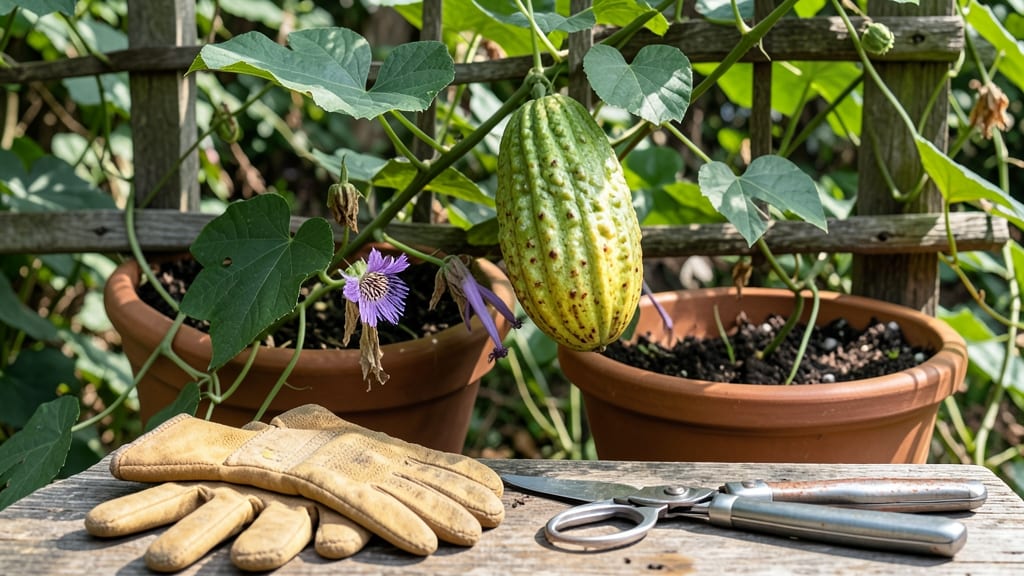
Growing giant granadilla fruit is like cultivating a tropical treasure in your backyard. 🌿 This massive passionfruit vine produces football-sized fruits with juicy, tangy pulp—once you master its quirks, you'll never buy store-bought again.
The secret lies in mimicking its native rainforest conditions, from humidity to sunlight, while keeping pests at bay.
Start with a healthy vine in zones 9-11 (or grow in containers and overwinter indoors elsewhere). Your soil needs to be well-draining yet rich in organic matter—think compost mixed with perlite.
Plant in full sun with 6-8 hours daily, and provide a sturdy trellis or fence to support its 20-30 foot sprawl. Water deeply 2-3 times weekly, keeping the roots consistently moist but never soggy.
By month 4, you'll see those iconic purple-and-white blooms—each one a potential fruit. Hand-pollinate with a soft brush if bees are scarce, and watch as fruits swell to 1-2 pounds by harvest.
The real magic happens when you slice into one: golden seeds floating in tart-sweet pulp, perfect for smoothies or fresh eating. Just be ready to share—neighbors will beg for cuttings.
Troubleshooting is half the fun. Yellow leaves? Likely overwatering. No fruit? Try fertilizing with low-nitrogen, high-potassium mix when blooms appear. And yes, those thorns are real—wear gloves when pruning. With patience, your first harvest will arrive in 6-8 months, proving that giant granadillas aren’t just for jungles anymore.
📚 In This Guide
- What you need
- Instructions
- Tips and common mistakes
- Wrapping up and next steps
What you need
- ● Giant granadilla seeds: 5–10 fresh, viable seeds (harvested from a ripe fruit or purchased from a reputable supplier).
- ● Well-draining potting mix: 5–10 gallons (2–4 cubic feet) of a blend like cactus/succulent mix with perlite or coconut coir (pH 6.0–7.0).
- ● Containers: 2–3 4–6 inch pots for seed germination.
- ● 1 10–15 gallon container (or larger) for mature plants (ensure drainage holes!).
- ● Slow-release fertilizer: 1–2 cups of balanced 10-10-10 or organic compost (like worm castings).
- ● Watering can or hose: With a gentle spray nozzle for seedlings.
- ● Grow lights or sunny spot: 6+ hours of direct sunlight daily (or a full-spectrum LED grow light for indoor setups).
- ● Pruning shears: Sharp, sterilized shears for trimming vines.
- ● Support structure: A trellis, fence, or sturdy poles (6+ feet tall) for climbing vines.
- ● Mulch: 2–3 inches of straw or wood chips to retain moisture.
- ● Humidity dome or plastic wrap for seedling protection.
- ● pH test kit to monitor soil acidity.
- ● Epsom salt (magnesium sulfate) for occasional foliar sprays (1 tbsp per gallon of water).
- ● Compost tea or liquid fertilizer (like fish emulsion) for a nutrient boost.
- ● Gloves and knee pads for comfortable gardening.
Step-by-step instructions for growing giant granadilla fruit
Here's how to nurture these tropical vines into thriving producers of massive, sweet fruit.
🌱 Step 1: Start Seeds Indoors with Warmth and Humidity
Granadilla seeds need consistent warmth to germinate—aim for 75-85°F using a seedling heat mat. Fill 4-inch pots with a sterile seed-starting mix (never garden soil) and plant 2-3 seeds per pot just below the surface. Cover lightly with a thin layer of mix, then mist until evenly damp.
Place pots under a humidity dome or cover with plastic wrap to maintain moisture. Check daily for condensation—if water beads form on the plastic, remove it briefly to prevent fungal issues. Germination takes 14-28 days, so patience is key. I like to label pots with the date to track progress.
☀️ Step 2: Provide Bright, Indirect Light for Seedlings
Once sprouts emerge, move seedlings to a south-facing window or under grow lights for 14-16 hours daily. Granadilla vines need bright light but will scorch in direct midday sun. If leaves yellow or stretch excessively, your light source is insufficient—adjust within 6 inches of the plants.
Water when the top inch of soil feels dry, but avoid soggy conditions. Overwatering at this stage leads to damping-off, where seedlings collapse overnight. I use a spray bottle for gentle watering to prevent disturbing the delicate roots.
🪴 Step 3: Transplant to Larger Containers After True Leaves Form
When seedlings develop 2-3 sets of true leaves (not just the initial seed leaves), transplant them into 5-gallon containers with well-draining potting mix. Granadilla vines grow aggressively, so choose containers with drainage holes and support structures like trellises or cages.
Handle roots gently to avoid damage—these vines are sensitive to transplant shock. Bury the stem slightly deeper than before to encourage stability. After transplanting, water deeply and place in bright, indirect light for a week to help recovery.
✂️ Step 4: Train Vines and Prune for Fruit Production
Granadilla vines need strong support—train them along a tall trellis or arbor as they grow. Prune leggy growth to encourage bushier development, focusing on removing weak or crossing branches. This redirects energy toward fruit production rather than excessive foliage.
When vines reach 6-8 feet, pinch back the tips to promote branching. You’ll see new growth emerge from leaf nodes—these will bear flowers and eventually fruit. Fertilize monthly with a balanced, water-soluble fertilizer (10-10-10) during the growing season to support vigorous growth.
💧 Step 5: Monitor Watering and Pollination for Fruit Set
Granadilla vines thrive in consistently moist but not soggy soil. Water deeply 2-3 times weekly, adjusting for humidity and temperature. Yellowing leaves signal overwatering, while wilting indicates underwatering—find that sweet spot where the soil stays evenly damp.
Hand-pollinate flowers in the morning using a small brush to transfer pollen from male to female flowers. Granadilla fruit develops from female flowers, and without pollination, you’ll see buds drop. Watch for small green fruit forming—this confirms successful pollination and sets the stage for harvest in 6 months.
Tips & tricks for cultivating giant granadilla fruit
Transforming tiny seeds into towering vines capable of producing massive granadilla fruit requires precision—not guesswork. Here’s how to avoid the pitfalls that derail most growers.
Temperature Precision: The 75-85°F range for germination isn’t just a suggestion—it’s non-negotiable for consistent results. I’ve seen seeds fail to sprout when kept below 70°F, even with perfect humidity. Use a seedling heat mat and monitor with a small thermometer if your home tends to run cool. For extra insurance, place pots on a towel over a warm (not hot) water bottle to maintain even warmth without direct heat sources.
Lighting Strategy: Those 14-16 hours of daily light in Step 2 are critical for preventing leggy seedlings. If your south-facing window doesn’t provide enough light, supplement with a full-spectrum LED grow light positioned 6 inches above the plants. I’ve found that moving the light closer than 6 inches can cause scorching, while keeping it farther away leads to weak, elongated stems that struggle to support future fruit.
Transplant Timing: Wait until you see 2-3 sets of true leaves before transplanting—this ensures the seedlings have developed enough root mass to handle the stress. I’ve made the mistake of rushing this step, and the vines often wilt dramatically during recovery. When transplanting into 5-gallon containers, add a handful of perlite to the well-draining potting mix to improve aeration, which these tropical plants crave.
Pollination Hack: Hand-pollinating in the morning maximizes success because that’s when flowers are most receptive. Use a soft makeup brush rather than your finger—it’s gentler on delicate petals and transfers pollen more efficiently. I’ve noticed that female flowers often open slightly earlier than male flowers, so focus on brushing the males first, then the females within the same hour.
Pro Tips for Giant Granadilla Fruit
- Transforming tiny seeds into towering vines capable of producing massive granadilla fruit requires precision—not guesswork.
- Temperature Precision: The 75-85°F range for germination isn’t just a suggestion—it’s non-negotiable for consistent results.
- Lighting Strategy: Those 14-16 hours of daily light in Step 2 are critical for preventing leggy seedlings.
Frequently asked questions
Got questions about growing and enjoying giant granadilla fruit? You’re not alone! Here are some of the most common queries—plus straightforward answers to help you cultivate (and savor) these tropical treasures like a pro.
How long does it take for a giant granadilla vine to bear fruit?
A healthy giant granadilla vine typically starts producing fruit 12–18 months after planting, but with ideal conditions (warmth, humidity, and support), you might see early blooms in as little as 6–9 months. Patience is key—these vines reward consistency with massive, flavorful fruits!
Can I grow giant granadilla in a pot, or do I need a garden?
Giant granadilla thrives in large containers (15+ gallons) as long as they have drainage and room to climb (use a trellis or sturdy post). Just ensure the pot stays moist but not soggy and move it indoors if temps drop below 50°F (10°C). Perfect for balconies or patios!
Why aren’t my granadilla flowers turning into fruit?
Common culprits include lack of pollinators (hand-pollinate with a brush), temperature stress (keep vines above 60°F/15°C), or nutrient deficiencies. Boost growth with a balanced fertilizer (like 10-10-10) and ensure vines get 6+ hours of sunlight daily. Female flowers (larger, with a tiny bump at the base) need male flowers nearby for pollination.
How do I know when giant granadilla is ripe and ready to eat?
Ripe giant granadilla turns bright yellow-green (not fully yellow like passionfruit) and feels soft but firm when gently squeezed. The skin may crack slightly, and the scent becomes sweetly floral. Pro tip: Cut open a test fruit—if the pulp is jelly-like and translucent, it’s prime! Unripe fruits are tart and seedy.
Can giant granadilla survive cold winters, or should I dig it up?
Giant granadilla is tropical and cannot tolerate frost. In cold climates, grow it as an annual or overwinter indoors near a sunny window (60°F+/15°C+). If potted, move it to a garage or greenhouse before temps drop. Mulch garden plants heavily or dig up tubers in fall for storage in a cool, dry place.
Bonus Troubleshooting: What if my vine gets yellow leaves?
- Overwatering: Check drainage—soggy roots cause yellowing. Let soil dry slightly between waterings.
- Underwatering: Wilting + yellow edges? Increase moisture (but avoid waterlogging).
- Nutrient deficiency: Feed with a potassium-rich fertilizer (like banana peel tea) for lush growth.
- Pests: Inspect for spider mites or aphids; spray with neem oil if needed.
Wrapping up and next steps
The giant granadilla isn’t just a tropical marvel—it’s a rewarding challenge for any gardener willing to put in the effort! With the right soil, sunlight, and fertilization, you’ll soon be harvesting Passiflora edulis fruits that rival the size of a small watermelon. 🌱✨
Ready to take the next step? Start by planting those seeds (or vines) this weekend—your future harvest is just six months away! Share your progress with fellow gardeners or experiment with recipes using your homegrown granadillas. Happy growing!