
Advice
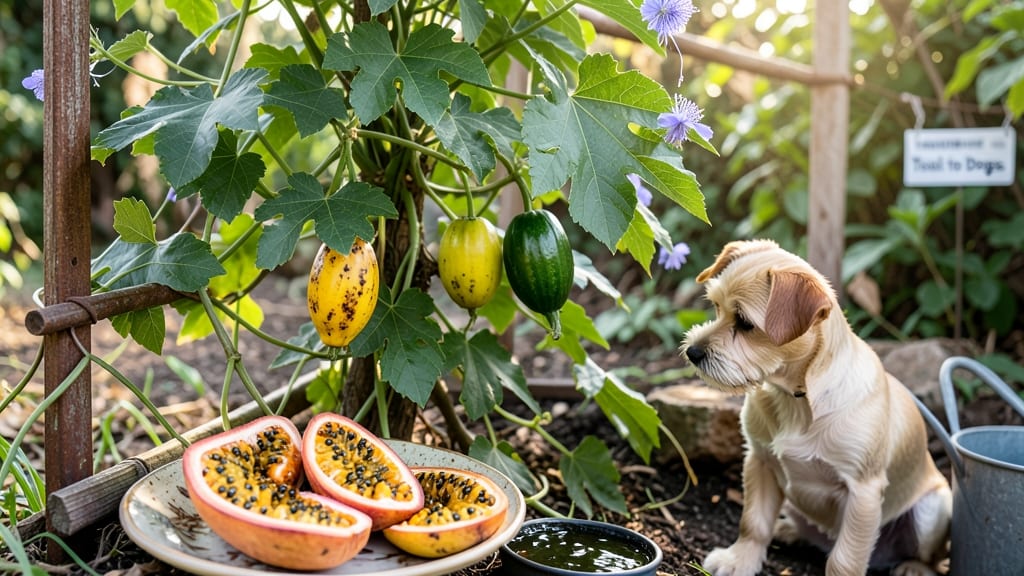
Passion fruit is not safe for dogs due to its high acidity and potential toxicity from seeds and skin, which can cause vomiting, diarrhea, or pancreatitis. The pulp in small amounts may be less harmful but still risky without vet approval.
Determining whether passion fruit is safe for dogs hinges on two major concerns: the fruit's acidic pulp and the toxic compounds in its seeds and rind. 🐾 The seeds contain cyanogenic glycosides, which can release cyanide in a dog's system, while the skin's high acidity may irritate their stomach lining.
Even the pulp, though less dangerous, can still trigger digestive upset or pancreatitis in sensitive dogs. Always consult your vet before offering any human food to your pet.
If you're looking for pet-friendly fruit alternatives, consider blueberries or seedless apples as safer options. These fruits are lower in acidity and free from toxic compounds, making them better choices for occasional treats. Just remember to introduce new foods gradually and in moderation to avoid any digestive issues.
💡 In This Article
- Why Passion Fruit Toxicity Affects Dogs
- Safe Fruit Alternatives for Dogs
Why passion fruit toxicity affects dogs
The real danger in passion fruit lies in its seeds, which contain cyanogenic glycosides—compounds that break down into cyanide when ingested. A single passion fruit contains about 200-300 seeds, each packed with these toxins.
Dogs lack the enzymes to process these compounds safely, so even a small amount can cause cyanide poisoning, leading to symptoms like rapid breathing, dilated pupils, and weakness. 🔥
The fruit's acidic pulp (pH 2.5-3.5) is another major concern. For comparison, lemon juice sits at pH 2.0, while a dog's stomach typically maintains a pH of 1.5-3.0—but passion fruit's acidity can still irritate their sensitive digestive lining.
This irritation triggers vomiting or diarrhea within 30 minutes to 2 hours after ingestion, depending on the dog's size and sensitivity.
Even the rind poses risks due to its high fiber content. When consumed, the fibrous material can cause intestinal blockages, especially in small dogs. The blockage may require surgical intervention, with recovery costs averaging $1,500-$3,000 depending on the severity.
This is why vets often recommend avoiding passion fruit entirely for pets.
What makes passion fruit particularly risky is how its toxicity compounds stack up. Unlike citrus fruits (like oranges), which are primarily acidic but non-toxic, passion fruit combines acidity, cyanogenic compounds, and fibrous rind—a triple threat to canine health.
For example, a 10-pound dog might show symptoms after eating just 1/4 of a passion fruit, while a 50-pound dog could experience severe reactions from half a fruit.
If your dog accidentally ingests passion fruit, watch for signs like lethargy, drooling, or loss of appetite. These symptoms indicate possible cyanide exposure or acid irritation. Immediate vet care is critical—delaying treatment can lead to organ damage or, in extreme cases, respiratory failure. 💫
Comparatively, other tropical fruits like mangoes or papayas are safer because they lack cyanogenic compounds. Mango pulp, for instance, is low in acidity (pH 4.0-5.0) and free from toxic seeds, making it a better occasional treat for dogs when served in moderation.