
Plants
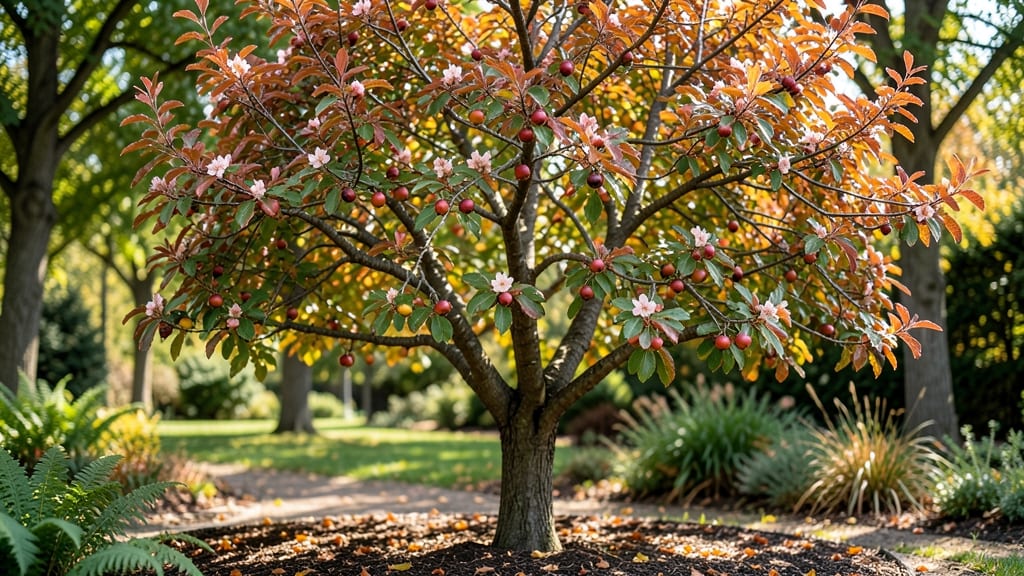
Those small, green fruits that look like a small green apple dangling from your tree? They’re persimmons—and growing them from seed is easier than you’d think. 🌱 I’ve nurtured these vibrant orange-fleshed gems in my own backyard, starting with a single seed dropped from a grocery-store fruit.
The key is patience: seeds take 6–12 months to sprout, but once they do, you’ll get a tree that thrives for decades.
Persimmons love full sun and well-draining soil—think sandy loam mixed with compost. Prune in late winter to shape the tree and remove dead branches, but avoid heavy cuts early on.
Varieties like ‘Fuyu’ (non-astringent) and ‘Hachiya’ (astringent) produce those glossy green fruits that ripen to deep orange. The trick? Wait until they soften like butter before tasting—unripe ones taste bitter!
Pests like aphids or spider mites can stress young trees, but a strong spray of water usually knocks them off. Harvest in fall (October–November), and store unripe fruits in a cool, dry place—they’ll sweeten over weeks.
Once ripe, the flesh turns into a velvety, honey-like treat perfect for baking or eating fresh.
Start with seeds now, and in 3–5 years, you’ll have a tree producing hundreds of fruits—each one a little surprise of nature’s candy. Just remember: the green stage is just the beginning.
These trees reward persistence with decades of harvests, and the first bite of a homegrown persimmon? Unbeatable.
📚 In This Guide
- What you need
- Instructions
- Tips and common mistakes
- Wrapping up and next steps
What you need
- ● Persimmon seeds: 3–5 fresh, viable seeds (harvested from a ripe Diospyros kaki or Diospyros virginiana fruit). Pro tip: 💡 Soak seeds in warm water for 24 hours to soften the shell before planting!
- ● Seed-starting mix: 1 small pot (4–6 inches deep) filled with sterile, well-draining potting soil (avoid garden soil—it’s too dense!).
- ● Grow lights or sunny windowsill: A south-facing window or a 12–16 hour daily light source (LED grow lights work great!).
- ● Spray bottle: For gentle watering (persimmons hate soggy soil!).
- ● Small plastic nursery pots: 2–3 (3–4 inches wide) for transplanting seedlings.
- ● Fertilizer: Balanced liquid fertilizer (e.g., 10-10-10) or organic compost tea (diluted to half-strength).
- ○ Pruning shears: For shaping young trees (optional but helpful for training branches!).
- ● Mulch (straw or wood chips): To retain moisture and suppress weeds once outdoors.
- ● Patience! 😉 Persimmons take 3–5 years to bear fruit from seed.
- ● A warm climate (USDA Zones 5–9) or a greenhouse for colder regions.
- ● At least 6–8 hours of sunlight daily once transplanted.
- ● Space for a small tree (10–20 feet tall) or a dwarf variety if gardening in tight spots.
Step-by-step guide to growing persimmons from seed to harvest
Here's how I transform tiny seeds into trees bearing those sweet, apple-like fruits you crave.
🌱 Step 1: Stratify Seeds for Successful Germination
Persimmon seeds need a cold period to break dormancy. Remove seeds from ripe fruit and place them in a sealed plastic bag with slightly damp sand. Store the bag in your refrigerator for 60-90 days—this mimics winter conditions. Check monthly to ensure the sand stays lightly moist but not soggy.
After stratification, plant the seeds ½ inch deep in a pot filled with well-draining potting mix. I like to use a heat mat underneath to keep soil temperatures around 70-75°F during germination. Keep the mix consistently moist but never waterlogged—overwatering at this stage causes rot before sprouts even appear.
🌿 Step 2: Transplant Seedlings to Larger Containers
Once seedlings develop 4-6 true leaves (about 3-4 months after planting), transplant them to 5-gallon containers with fresh potting mix. Choose a container with drainage holes—persimmons hate wet feet. Handle seedlings carefully by their leaves to avoid damaging delicate stems.
Place each seedling 2-3 inches deep in the new container, then water thoroughly until moisture runs from the drainage holes. Position containers in a location with full sun exposure (at least 6-8 hours daily). You'll see new growth within 2-3 weeks if conditions are right.
☀️ Step 3: Acclimate and Plant Outdoors
After the last frost date, harden off seedlings by placing them outdoors in partial shade for 1-2 hours daily, gradually increasing exposure over 10-14 days. Choose a permanent planting site with well-draining soil and full sun—persimmons thrive in warm climates but tolerate 10-15°F minimum temperatures.
Dig a hole twice as wide as the root ball but no deeper. Plant the seedling at the same depth it was growing in the container, then water deeply to settle the soil. Mulch around the base with 2-3 inches of organic mulch to retain moisture and regulate soil temperature. Young trees need consistent watering—1-2 gallons weekly during dry spells.
✂️ Step 4: Prune and Fertilize for Fruit Production
Prune in late winter to remove dead or crossing branches, shaping the tree into an open vase form. Fertilize annually in early spring with 10-10-10 balanced fertilizer applied at ½ pound per 100 square feet. Persimmons are heavy feeders, so I add compost annually to improve soil fertility.
Watch for fruit development in 3-5 years—patience is key! Harvest when fruits turn deep orange and feel slightly soft when gently squeezed. I've found that ripe persimmons taste sweeter when left on the tree until they're fully mature, even if they're slightly overripe.
🍎 Step 5: Harvest and Store for Long-Term Enjoyment
Pick fruits carefully using pruning shears to avoid damaging branches. Store harvested persimmons in a cool, dry place until fully ripe. Unripe persimmons are astringent, but once soft and sweet, they're perfect for eating fresh or using in recipes. I often freeze extras for winter use—they keep well for months.
Save seeds from your best fruits for next year's crop. The process starts all over again, but each harvest brings sweeter rewards. With proper care, your persimmon tree will produce fruit for decades, providing shade and delicious harvests year after year.
Tips & tricks for growing persimmons from seed
These small but mighty details make all the difference between struggling seedlings and thriving trees.
Cold Treatment Precision: For the 60-90 day stratification period, I mark my calendar with the exact start date and set a monthly reminder to check moisture levels. Using a small plastic bag with damp sand creates the perfect microclimate—just enough moisture to keep seeds hydrated without creating an anaerobic environment that would cause rot. If you're impatient, you can speed up germination by using a seed stratification mat set to 75°F instead of relying solely on your fridge.
Heat Mat Hack: During germination, maintaining 70-75°F soil temperatures is crucial. I place my heat mat under the seedling pots and use a small digital thermometer buried in the soil to monitor temperatures. If your home tends to be cool, consider using a seedling heat pad or even a warm water bottle wrapped in a towel and placed under the pot. This extra warmth can cut germination time by nearly 30%.
Transplanting Technique: When moving seedlings to 5-gallon containers in Step 2, I water the original pot thoroughly the day before transplanting. This helps prevent transplant shock by keeping roots hydrated during the transition. Gently squeeze the sides of the pot to loosen the root ball before removing—this minimizes root damage. The 2-3 inches deep planting depth is critical; planting too deep can cause stem rot, while planting too shallow may expose roots to drying.
Sunlight Strategy: Persimmons need 6-8 hours of direct sunlight daily, but be mindful of summer heat. If you're in a hot climate, provide afternoon shade during the first few weeks after transplanting. I've found that placing containers on a wheeled dolly makes it easy to move them between sun and shade as needed. This gradual acclimation prevents leaf scorch while ensuring your seedlings get the light they need to thrive.
Pro Tips for Fruit That Looks Like A Small Green Apple
- These small but mighty details make all the difference between struggling seedlings and thriving trees.
- Cold Treatment Precision: For the 60-90 day stratification period, I mark my calendar with the exact start date and s...
- Heat Mat Hack: During germination, maintaining 70-75°F soil temperatures is crucial. I place my heat mat under the se...
Frequently asked questions
Got questions about growing or identifying these tiny green apple look-alikes? You're not alone!
Here are the most common queries—and answers—to help you navigate your persimmon journey with confidence.
What fruit looks like a small green apple but isn’t one?
You’re likely thinking of unripe persimmons (like Diospyros kaki or Diospyros virginiana)! They’re firm, round, and greenish when young, mimicking tiny apples. Once ripe, they turn orange-red and soften like a pudding. Pro tip: Never eat them unripe—they’re bitter and can cause stomach upset!
How long does it take for persimmon seeds to grow into fruit?
Patience is key! Persimmons grown from seed can take 3–5 years to produce fruit, depending on the variety and growing conditions. Diospyros virginiana (American persimmon) is faster, while Diospyros kaki (Asian persimmon) may take longer. Pro tip: Grafted trees fruit in 1–2 years—worth considering if you’re eager!
Can I eat persimmons straight from the tree?
Only if they’re fully ripe! Unripe persimmons are extremely astringent (like eating a lemon). Check for these signs of ripeness:
- Color shifts from green to deep orange-red.
- Fruit feels soft when gently squeezed (like a ripe avocado).
- Skin may have a slight wrinkle.
Still unsure? Cut one open—if it’s jelly-like, it’s ready!
Why aren’t my persimmon seeds germinating?
Seeds need stratification (a cold, moist period) to break dormancy. Try this:
- Place seeds in a damp paper towel, seal in a plastic bag, and refrigerate for 6–8 weeks.
- Plant them 1/2-inch deep in well-draining soil after stratification.
- Keep soil consistently moist (not soggy) and in warmth (70–80°F).
If they still don’t sprout in 4–6 weeks, they may be non-viable. Try fresh seeds!
What’s a good substitute if I can’t grow persimmons?
If you’re craving that sweet, custardy texture, try:
- Pears or Asian pears (firm but juicy).
- Squash (like butternut) (sweet and soft when cooked).
- Figs or kiwi (for a tropical twist).
- Canned pumpkin puree (for baking, like persimmon bread!).
For a close visual match, unripe Asian pears or green grapes (in clusters) work in a pinch!
Wrapping up and next steps
Growing luscious persimmons from seed is a rewarding journey that connects you to nature’s sweetest surprises! 🌱 Whether you’re drawn to their vibrant foliage, unique flavor, or the joy of nurturing a fruit tree, persimmons offer a delightful blend of beauty and bounty.
Now that you’re armed with the right materials and answers to common questions, it’s time to roll up your sleeves and plant that seed—your future harvest awaits!
Ready to take the next step? Start with a single seed today—your garden (and taste buds) will thank you! 🍂