
Plants
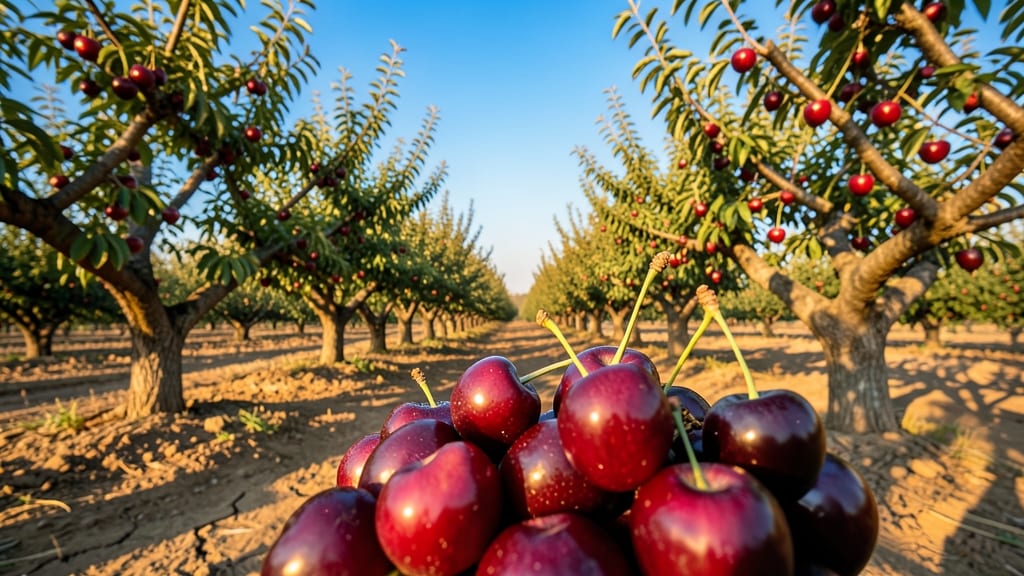
Stone fruits like peaches bring sweetness and versatility to warm climates. These 10 peach-like fruits thrive in heat, offer unique flavors, and expand your gardening possibilities beyond traditional orchards.
Nectarines with Smooth Golden Skin
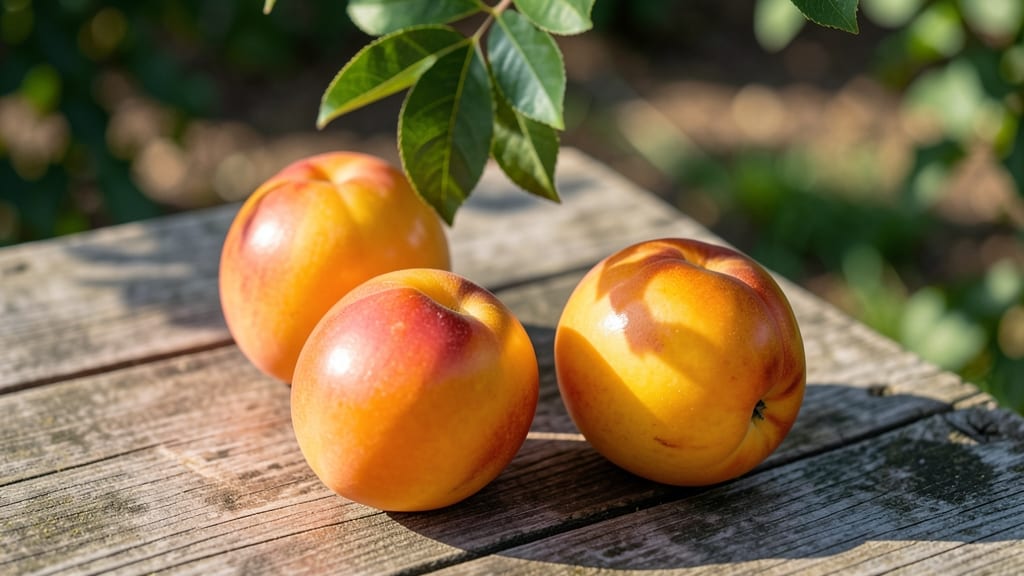
If you love the taste of peaches but wish they had smoother skin, nectarines are your answer. These genetic cousins require no extra effort to grow—they simply skip the fuzzy texture while delivering the same juicy, aromatic sweetness in every bite.
Nectarines thrive in well-drained soil with full sun exposure and need minimal pruning compared to peaches. Their drought-tolerant nature makes them perfect for warm climates, and they produce fruit within 2-3 years of planting. The smooth skin also resists pests better than peaches, giving you fewer headaches during harvest season.
Perfect for home gardeners with limited space or time, nectarines offer the same versatility as peaches—ideal for fresh eating, preserves, or even grilling. Their low-maintenance nature makes them a top choice for beginners and seasoned growers alike. 🌟
Plums with Deep Purple Flesh
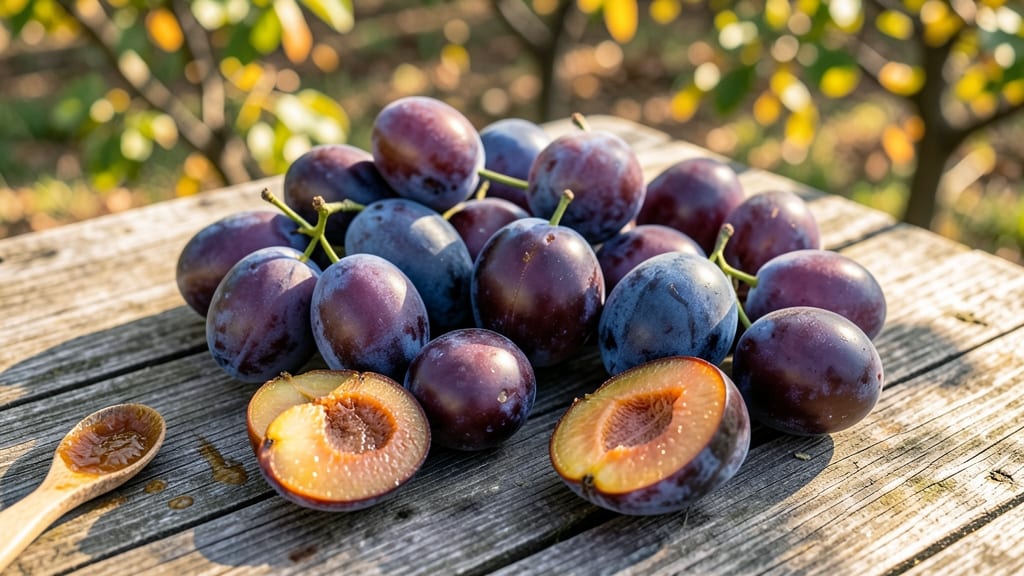
If you're looking for a stone fruit that handles heat like a pro while delivering rich, deep purple flesh, look no further than plums. With over 2,000 varieties—including Japanese, European, and hybrid types—you’ll find flavors ranging from sweet to tart, perfect for everything from jams to fresh snacks.
Plums thrive in hot climates with just 6-8 hours of sun and well-draining soil, making them ideal for Southern gardens or urban containers. Their minimal pest issues (compared to peaches) mean fewer sprays and more fruit for you. Varieties like Santa Rosa or Methley produce prolifically and resist cracking, even in summer heat.
This fruit is a game-changer for home cooks and gardeners alike, offering year-round versatility. Whether you’re canning, baking, or simply enjoying fresh slices, plums bring bold color and flavor to your table with almost no fuss. 🌟
Apricots with Orange-Hued Flesh
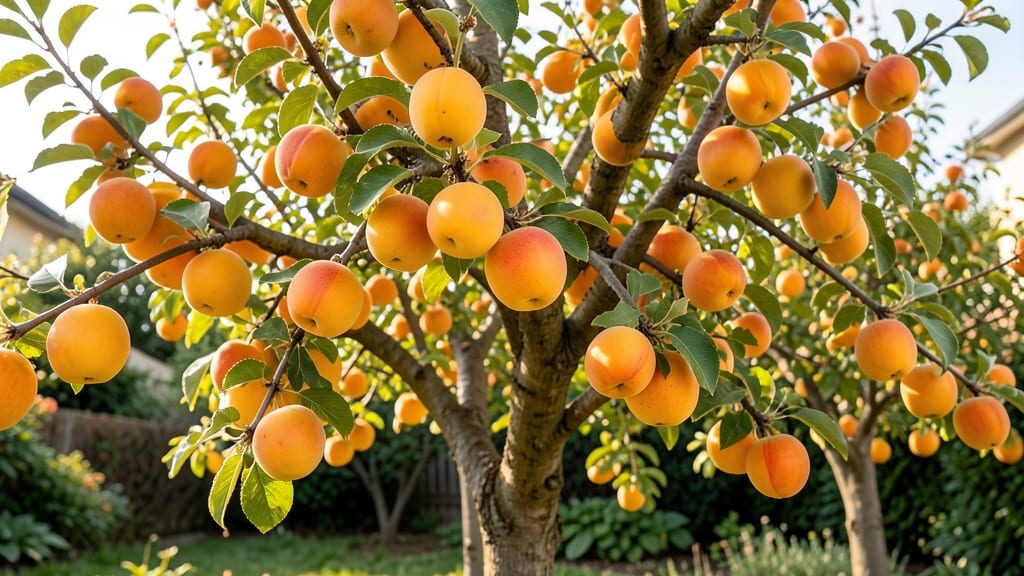
If you crave a fruit that bursts with sunshine in both flavor and color, apricots are your perfect match. These sun-loving stone fruits ripen early in warm climates, giving you a head start on harvests compared to peaches or plums, with a delicate balance of sweetness and tartness that’s irresistibly addictive.
Thriving in full sun (6-8 hours daily), apricots pack a nutritional punch with high vitamin A content, making them ideal for fresh eating or drying into chewy, nutrient-rich snacks. Plant them in well-draining soil with a pH of 6.0-7.0, and choose disease-resistant varieties like 'Blush' or 'Patio' for reliable yields. Their early ripening also means fewer pest pressures during peak season.
Perfect for small gardens or urban spaces, apricots reward patient growers with vibrant orange-hued flesh that’s sweeter than peaches and more aromatic than plums. 🌻
Cherries with Heart-Shaped Stones
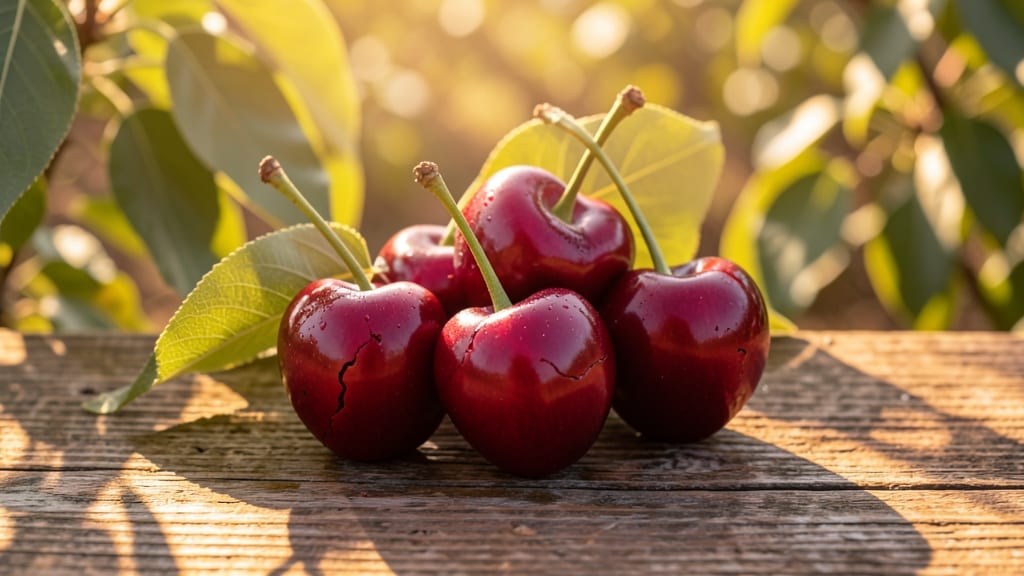
If you love cherries but struggle with cracking fruit in hot summers, heart-shaped stone cherries are your perfect match. These heat-loving varieties—like Stella® or Sweetheart®—were bred specifically for warm climates, producing juicy, sweet-tart fruit that stays intact even when temperatures soar.
Unlike traditional northern cherries, these varieties thrive in USDA Zones 6-9 with minimal care, requiring only well-draining soil and full sun. Their unique heart-shaped pits (unlike the classic round pits) make them ideal for preserving, while the flesh remains firm enough for fresh snacking. Prune lightly in late winter to encourage airflow, reducing disease risk in humid heat.
Perfect for home gardeners in Southern states or urban yards, these cherries deliver year-round enjoyment with minimal splitting—no more ruined harvests! 🌟
Peaches with White Flesh Varieties
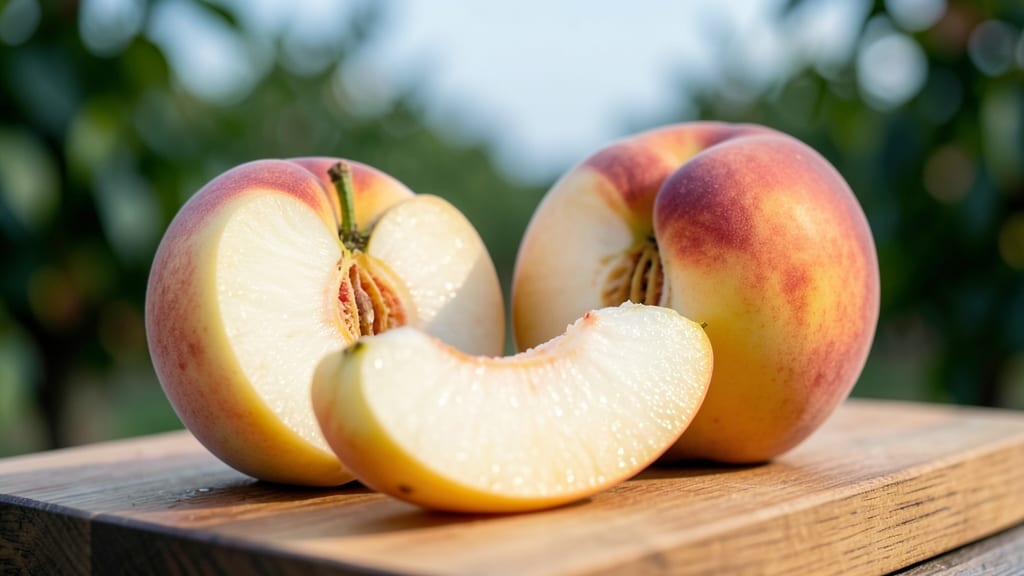
If you’ve ever bitten into a peach and found its sweetness overwhelming, white-fleshed peaches might be your new favorite. These rare varieties—often called "albinistic peaches"—pack a milder, more balanced flavor with a touch of higher acidity, making them ideal for those who prefer subtlety without sacrificing texture.
Growers in USDA Zones 6-9 can cultivate these peaches, which thrive in full sun and well-draining soil. Varieties like 'White Lady' or 'Albino' produce fruit with a creamy, almost ivory hue inside, perfect for fresh eating or light desserts. Their disease resistance is also a bonus, as they’re less prone to fungal issues common in traditional peaches.
Perfect for gardeners who love experimentation or those with sensitive palates, these peaches add a unique twist to your orchard while keeping the classic peach experience. 🌻
Apricot-Plum Hybrids with Unique Flavor
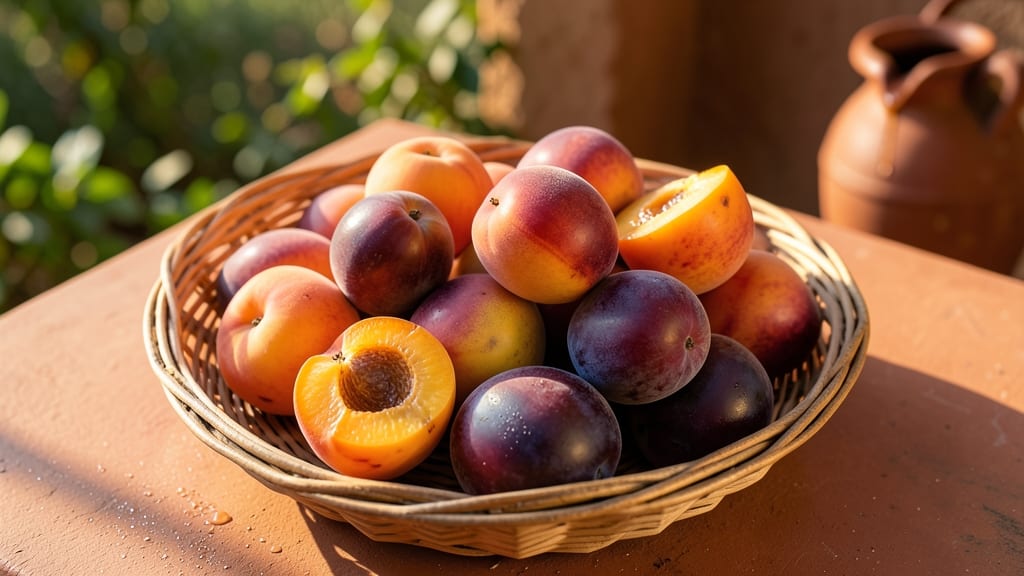
Tired of choosing between sweet apricots and tart plums? Apricot-plum hybrids blend the best of both worlds—offering juicy, complex flavors that resist common diseases while thriving in hot climates where traditional stone fruits struggle.
These crossbreeds combine disease resistance from plums with apricots' vibrant sweetness, creating a fruit that ripens reliably in zones 5-9. Their sweet-tart balance makes them perfect for innovative recipes like chutneys, jams, or fresh eating, while their compact growth habit suits small gardens. Plant them in well-draining soil with full sun for maximum productivity.
Ideal for home gardeners seeking unique flavors and low-maintenance fruit trees, these hybrids bring excitement to your orchard while adapting to heat and humidity better than their parents. 🌟
Flat Peaches with Asian Origins
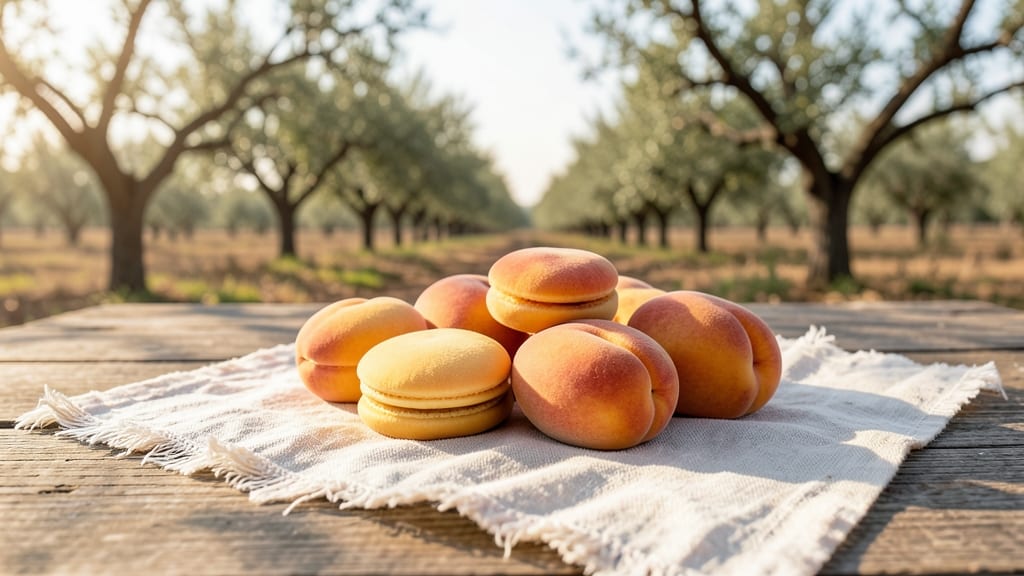
If you love peaches but crave something truly unique, flat peaches from Asia offer a stunning alternative with their distinctive pancake-like shape and delicate sweetness. These drought-tolerant fruits thrive in warm climates while requiring less space than traditional trees, making them ideal for urban gardens or small yards.
Native to China and Japan, these peaches grow on compact trees that produce flat, oblong fruit with tender, juicy flesh perfect for fresh eating or traditional desserts like momo (peach pastries). They demand well-draining soil and full sun but handle heat and dry spells better than most peach varieties. For best results, plant in early spring and prune lightly to encourage air circulation.
Gardeners in small spaces or those with limited water will appreciate how these trees deliver high yields with minimal fuss. Their striking appearance also makes them a conversation starter in any garden. 🌟
Yellow Plums with Golden Skin
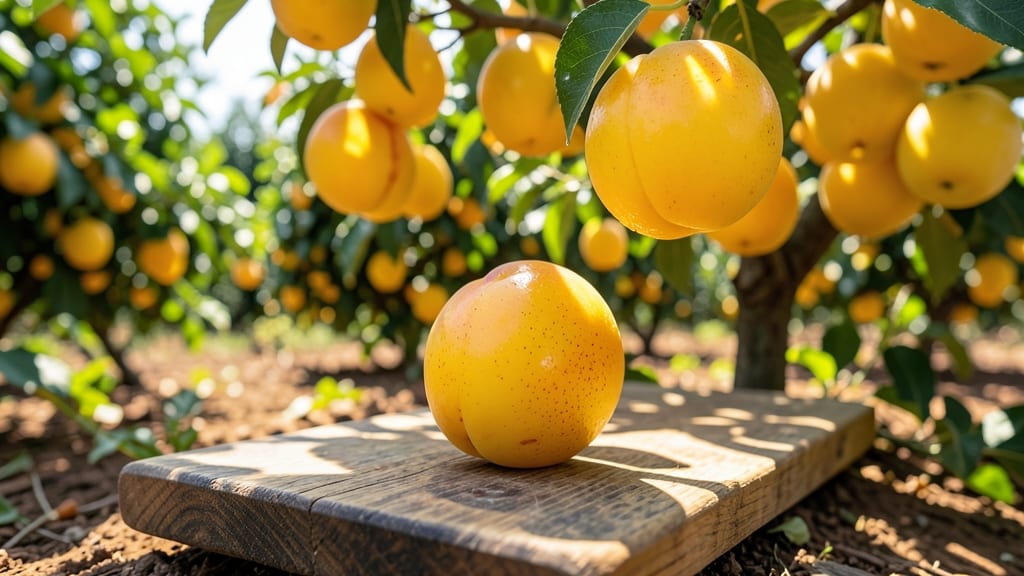
Looking for a peach-like fruit that turns your garden into a golden treasure trove? Yellow plums with their bright golden skin and sweet flesh are a stunning, heat-tolerant alternative that adds visual drama while delivering a familiar eating experience.
These lesser-known gems thrive in hot climates (USDA zones 5-9) and produce fruit with a peach-like texture but a milder, honeyed sweetness. Plant them in well-draining soil with full sun exposure, and watch as their vibrant yellow fruit ripens in late summer—perfect for fresh eating or preserving. The golden skin also makes them a showstopper in fruit bowls or garden displays.
Ideal for gardeners who want color contrast without sacrificing flavor, yellow plums are especially rewarding for those with limited space—they grow well in containers or small orchards. Their disease resistance and low-maintenance care make them a smart choice for busy growers. 🌟
Dwarf Peach Trees for Small Gardens
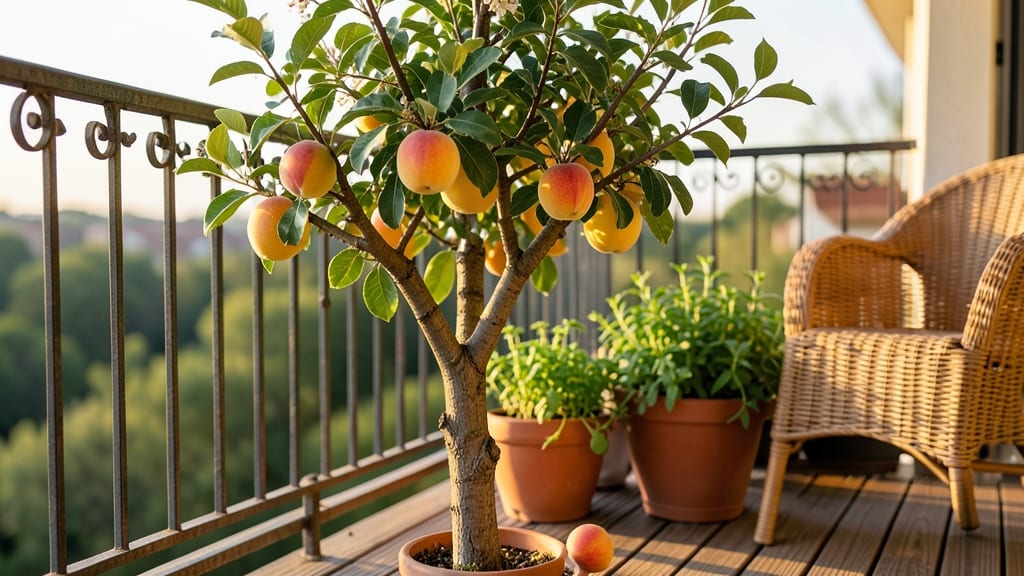
If you’ve ever dreamed of growing your own peaches but lack space for a full-sized tree, dwarf peach varieties are your game-changer. These compact trees produce the same juicy, flavorful fruit as their larger counterparts—but in just 25% of the space, making them ideal for balconies, patios, or small urban yards.
Choose varieties like Bonanza or Little Princess, which mature at 6–8 feet tall and thrive in containers with proper drainage. They need 6–8 hours of sun daily and well-draining soil to prevent root rot. With regular pruning, you’ll encourage bushier growth and better fruit production, plus they’re self-pollinating—no need for a second tree!
Perfect for beginners or city dwellers, dwarf peach trees let you enjoy fresh fruit without the commitment of a traditional orchard. Just imagine plucking ripe peaches from your balcony! 🌱
Heat-Tolerant Cherry Varieties for Hot Climates

If you live in a region where summer temperatures regularly hit 90°F+, traditional cherries might seem like a risky bet—but these heat-tolerant varieties are changing the game. Bred specifically for scorching climates, they deliver juicy, sweet fruit without the usual struggle of cracking or poor yields that plague standard cherries.
Look for Stella® or Sunburst® cherries, which thrive in USDA Zones 5-9 and can handle intense heat and drought once established. Plant them in well-draining soil with afternoon shade during peak summer to prevent stress, and expect reliable harvests even in the hottest months. Their disease resistance also means fewer pesticides—just the sweet rewards of homegrown fruit.
Perfect for gardeners in arid or subtropical zones, these varieties prove you don’t need a cool climate to enjoy fresh cherries. 🌟