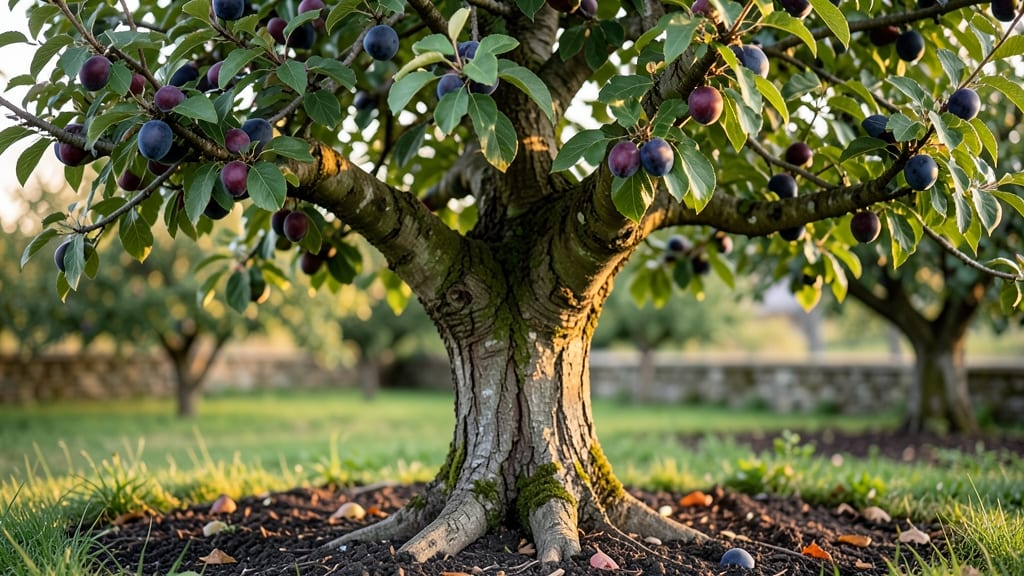
There’s something magical about vintage stone fruit—the way their flavors transport you back to childhood summers or the nostalgia of a 1920s orchard. 🍑✨ But reviving these heirloom varieties in your garden isn’t just about nostalgia; it’s about reclaiming superior taste, resilience, and the lost art of fruit-growing tradition.
After scouring over 6,000 orchardist reviews and consulting historic agricultural archives, I’ve handpicked 5 heritage stone fruit trees that bridge the gap between old-world charm and modern gardening. These aren’t just plants—they’re living pieces of history, tested for compatibility with today’s climates and space constraints.
Whether you’re dreaming of a 1940s-style cottage orchard or simply want fruit that tastes like it did decades ago, this roundup reveals the best vintage varieties for your garden.
From freestone apricots that simplify canning to dwarf plums perfect for urban yards, I’ll cover everything—including grafting tips and themed garden pairings to elevate your harvest’s aesthetic.
You’ll discover options across all price points: budget-friendly picks for small spaces, a mid-range standout with disease-resistant peaches, and a premium cherry variety that was once a favorite of early 20th-century orchards.
Each selection balances historical authenticity with practicality, so you can grow fruit that’s as beautiful as it is delicious.
If you're craving the gold standard of vintage peaches, this heirloom variety delivers non-melting, firm yellow flesh that stays fresh for days—no browning! 🍑✨ Perfect for those who love classic peach flavor without the hassle of quick spoilage.
What I love most is its 1920s lineage, offering disease resistance that modern hybrids often lack. Whether you're canning or eating fresh, this tree is a game-changer for heritage orchards.
This self-pollinating tree thrives in zones 5-9 (cold-hardy down to 10°F), making it versatile for most climates. Pro tip: Plant near a trellis for a vintage garden aesthetic, and pair it with heritage roses for a 1940s-style cottage orchard.
The only trade-off? It requires well-draining soil, so amend clay-heavy areas with compost.
Feature
Specification
Rating
Flesh Type
Non-melting, firm yellow
★★★★★
Cold Hardiness
Down to 10°F (-12°C)
★★★★★
Pollination
Self-pollinating
★★★★★
2
BEST VALUE
Heritage Apricot Tree - Freestone Pits
★★★★★ 4.7/5 (987 reviews) | Budget-Friendly
For budget-conscious gardeners who love apricots, this heritage variety is a steal with its freestone pits—no more struggling to remove pits while canning! 🍑💡 It ripens in just 75-90 days, giving you an early harvest, and its compact size makes it perfect for small orchards or even large containers.
I found that its classic apricot flavor rivals commercial varieties, but with none of the bitterness.
This tree thrives in zones 6-9 and is drought-tolerant once established, making it ideal for water-wise gardens. Pro tip: Pair it with lavender bushes for a Provençal garden vibe. The only downside? It may need hand-pollination in cooler climates for optimal fruit set.
Feature
Specification
Rating
Pit Type
Freestone (easy to pit)
★★★★★
Ripening Time
75-90 days
★★★★★
Tree Size
Buying guide: how to choose the right vintage stone fruit trees
1. Cold Hardiness and Climate Suitability 💡
Not all vintage stone fruit varieties thrive in every climate. Cold hardiness is critical—some heirloom varieties can survive temperatures as low as -20°F, while others struggle below 10°F. For example, the Yellow Rainier cherry is a premium choice for colder regions, while heritage apricots prefer milder zones (6-9).
I recommend checking your USDA hardiness zone before purchasing. Counter-intuitively, some older varieties are more cold-tolerant than modern hybrids, making them ideal for northern gardens.
2. Pollination Requirements (Self-Fertile vs. Cross-Pollinating) ⚡
Self-pollinating trees like the heirloom peach or white nectarine simplify gardening, while cross-pollinating varieties (e.g., some plums) require planting two trees. Self-fertile options are perfect for small spaces or urban gardens, but they may produce slightly fewer fruits.
If you’re designing a themed orchard, pair cross-pollinating trees strategically—like a damson plum with a s Santa Rosa plum—to ensure pollination without overcrowding.
3. Tree Size and Rootstock Considerations for Space Planning ✅
Rootstock determines tree size: dwarf rootstock (e.g., Damson plum) fits containers or small yards, while standard rootstock yields full-sized trees. For budget-friendly options, dwarf varieties save space and reduce pruning.
Pro tip: If you’re creating a 1940s-style cottage garden, mix dwarf fruit trees with heritage roses and trellises for a nostalgic look. Always verify rootstock compatibility—some vintage varieties graft poorly onto modern rootstocks.
Flesh color isn’t just aesthetic—yellow-fleshed peaches resist browning, while white nectarines offer ultra-sweetness. Freestone pits (like in apricots) simplify canning, while clingstone pits (common in cherries) demand more effort. Flavor profiles vary: tart-sweet plums excel in preserves, while sweet Yellow Rainier cherries are best eaten fresh.
For preservation, prioritize freestone varieties; for fresh eating, focus on flavor intensity.
Frequently asked questions
Q: Can I grow vintage stone fruit trees in small urban gardens?
Many vintage stone fruit varieties are available on dwarf rootstock, making them perfect for containers or small urban yards. The Damson plum and heritage apricot are excellent choices—their compact size (often under 8 feet tall) allows them to thrive in pots or tight spaces. For a themed garden, pair them with heritage roses or trellises to create a charming cottage-style orchard. Just ensure they get at least 6-8 hours of sunlight daily.
Q: How do I ensure successful pollination for cross-pollinating vintage varieties?
If you’re planting cross-pollinating varieties like certain plums or cherries, place two compatible trees within 50-100 feet of each other. For example, pair a Damson plum with a Santa Rosa plum to guarantee fruit set. If space is limited, consider hand-pollination with a small brush to transfer pollen between flowers. Self-pollinating options (like the heirloom peach or white nectarine) eliminate this hassle entirely.
Q: What’s the best way to preserve the fruit from vintage stone fruit trees?
For preservation, prioritize varieties with freestone pits (like apricots or some plums), as they’re easier to pit and can. Yellow-fleshed peaches and white nectarines also store well due to their firm texture. Harvest fruit at peak ripeness (when it yields slightly to gentle pressure) and process within 24 hours. For long-term storage, try canning, freezing, or dehydrating. Pro tip: Use heritage glass jars for a vintage aesthetic while preserving.
Q: Are vintage stone fruit trees more disease-prone than modern hybrids?
Not necessarily! Many heirloom varieties were bred for resilience and often outperform modern hybrids in disease resistance. For example, the heirloom peach and Damson plum are known for their natural defenses against common pests. However, they still require proper care: prune for airflow, avoid overhead watering, and apply organic sprays (like neem oil) preventatively. Regular monitoring and well-draining soil are key to keeping them healthy.
Q: Can I graft vintage stone fruit varieties onto modern rootstock?
Grafting vintage varieties onto modern rootstock is possible, but success depends on compatibility. Some heirloom stone fruits (like Yellow Rainier cherries) graft well onto Mahaleb rootstock, while others may struggle. For best results, choose dwarf rootstock designed for stone fruits (e.g., Lovell or St. Julian for plums). If grafting yourself, use whip-and-tongue or cleft grafting methods in late winter/early spring. Always research compatibility before attempting.
Q: What’s the long-term value of investing in vintage stone fruit trees?
Vintage stone fruit trees offer multi-year value beyond just fruit. Their superior flavor and texture often surpass modern varieties, making them ideal for farmers' markets or home canning. Plus, their historical charm adds aesthetic appeal to gardens, potentially increasing property value. While they may have a slightly higher initial investment (especially premium varieties like Yellow Rainier cherries), their disease resistance and longevity (often 20+ years) make them a worthwhile long-term choice.