
Picking
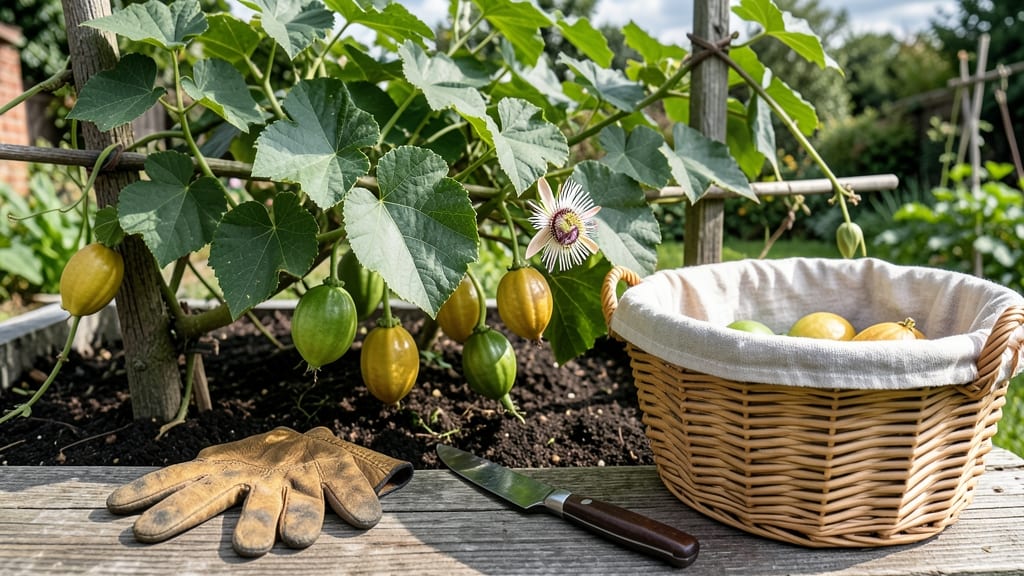
Passion fruit are ripe to eat when they turn fully purple or golden-yellow and give slightly when pressed 🍈—but wait too long, and you’ll miss the sweetest flavor.
Picking passion fruit at the wrong stage can leave you with bland, seedy disappointment—but spotting the perfect ripeness transforms every bite into a tropical explosion. Here’s how to tell when passion fruit are truly ready to eat.
Look for a deep, even color—purple for most varieties, bright yellow for some—and a slight softness when you gently squeeze. The fruit should also detach easily from the vine with a twist, a sign it’s reached peak flavor.
Below, I’ll break down the 3 key visual cues to harvest at the perfect moment, plus what happens if you pick too early or too late—and how to salvage underripe fruit.

3 Visual signs passion fruit are ripe and ready to harvest
Passion fruit vines produce some of the most rewarding harvests when you know exactly when to pick them. Unlike many fruits, passion fruit don’t ripen further after harvest, so timing is everything.
The key lies in three visual cues that reveal peak ripeness—color, texture, and scent. Each variety, whether purple or yellow, follows these same principles but with subtle differences you’ll want to recognize.
First, let’s address the most common question: Can you eat passion fruit that’s not fully ripe? Technically yes, but the flavor will be milder, less sweet, and often more seedy. Overripe fruit, on the other hand, becomes mushy and loses its vibrant flavor.
Mastering these visual signs ensures you’re always harvesting at the perfect moment for that tropical, tangy-sweet burst you crave.
Color Change from Green to Mature Hue
Purple varieties turn deep purple (almost blackish) while yellow types shift to golden yellow or orange-yellow. Green patches mean it’s not ready.
Skin Yields Slightly When Pressed Gently
A ripe passion fruit will feel slightly soft but not mushy. Press near the stem—if it gives 1-2mm under thumb pressure, it’s perfect. Hard fruit is underripe; overly soft fruit is overripe.
Sweet, Floral Scent Near the Stem
Sniff the stem end—ripe fruit emits a sweet, tropical aroma (like maracuja or citrus). No scent? It’s not ready. A fermented or sour smell means it’s past its prime.
Let’s dive deeper into these visual cues, starting with color variations. Purple passion fruit (like Passiflora edulis) develop a deep, almost black-purple hue when fully ripe. Yellow varieties (such as Passiflora ligularis) transition to a bright golden yellow or peach-like orange.
A quick pro tip: Check the base of the fruit where it meets the vine—this area often changes color first.
Texture is your second clue, and it’s where many gardeners go wrong. A ripe passion fruit should feel firm yet slightly yielding—like a soft tennis ball. To test, gently squeeze the fruit between your thumb and forefinger. If it doesn’t spring back immediately, it’s overripe.
If it feels rock-hard, it needs more time on the vine. This test is especially critical for yellow passion fruit, which can trick you with a deceptive firmness even when underripe.
Don’t underestimate the power of scent—this is the most overlooked but reliable indicator. A ripe passion fruit releases a distinctly sweet, floral fragrance near the stem. Think of it as nature’s way of signaling "pick me!"
If you’re harvesting in a humid climate, the scent might be more subtle, so combine it with the other two cues. Pro growers often describe the aroma as a mix of citrus, vanilla, and tropical flowers—a true feast for the senses.
Here’s a bonus tip for container gardeners: Passion fruit vines in pots may ripen slightly faster due to warmer soil temperatures. Monitor your fruit 2-3 days earlier than ground-grown vines, especially if your containers are in full sun.
Overwatering can also mask ripeness cues, so ensure your vines have well-draining soil to avoid misleading softness.
One common mistake is assuming size equals ripeness. Some passion fruit varieties produce small but perfectly ripe fruit, while others grow larger but take longer to mature. Always prioritize color, texture, and scent over size.
For example, Passiflora alata (white passion fruit) might stay small but develop a rich floral aroma when ripe—don’t dismiss it just because it’s not the biggest in your harvest.
Seasonal variations also play a role. In cooler climates (USDA Zones 7-9), passion fruit may take 10-14 days longer to ripen compared to tropical regions.
If you’re in a shorter growing season, start harvesting as soon as the fruit shows 70% of its mature color—it’s better to pick slightly early and let it ripen indoors than risk losing it to frost.
Finally, remember that passion fruit don’t continue ripening after harvest. Once picked, the ripening process stops. This means you must rely entirely on these visual cues to ensure you’re harvesting at peak flavor.
With practice, you’ll develop an almost instinctive sense for the perfect moment—transforming your passion fruit harvest from hit-or-miss to consistently delicious.
How to test passion fruit ripeness without cutting it open
Testing passion fruit ripeness without opening them is a game-changer for home gardeners. You can avoid wasting perfectly good fruit by using simple, non-destructive techniques that reveal their true ripeness. These methods work for both purple and yellow varieties, ensuring you pick fruit at peak flavor without any guesswork.
Start by examining the fruit's color—this is your first clue. Purple passion fruit should turn deep purple, while yellow varieties develop a golden hue. However, color alone isn’t enough. You’ll also need to check the texture and weight to confirm ripeness accurately.
Next, perform a gentle pressure test by squeezing the fruit lightly. A ripe passion fruit will yield slightly under pressure, almost like pressing a ripe tomato.
If it feels too firm or too soft, it’s not ready yet. This simple test saves you from cutting open unripe fruit and wasting precious pulp.
Finally, check the stem separation—a ripe passion fruit will detach easily from the vine with a slight twist. If the fruit resists, it’s not ready. This method is especially useful when harvesting multiple fruits, as it ensures you only pick the ripest ones without damaging the plant.
⚠️ ⚠️ WARNING: Common Mistakes When Testing Passion Fruit Ripeness ⚠️Avoid These Pitfalls:
- Over-ripeness: If passion fruit feels mushy or smells fermented, it’s past its prime. Overripe fruit loses flavor and texture, making it unappealing to eat.
- Underestimating weight: A ripe passion fruit should feel noticeably heavier for its size. Lighter fruit often means it’s still developing.
- Ignoring stem separation: If the fruit doesn’t twist easily, it’s not fully ripe. Forcing it off the vine can damage the plant and the fruit itself.
🌱 Pro Tip: Combine all three tests—color, pressure, and stem separation—for the most accurate results.
For extra precision, use your nose—a ripe passion fruit emits a sweet, tropical aroma. If you catch a whiff of that signature scent near the fruit, it’s a strong indicator of ripeness. This natural fragrance is your plant’s way of signaling that it’s time to harvest.
Practice these techniques over a few harvests, and you’ll develop an instinct for spotting the perfect passion fruit. Soon, you’ll be picking fruit at its peak flavor without ever needing to cut it open for a test. Happy harvesting!