
Plants
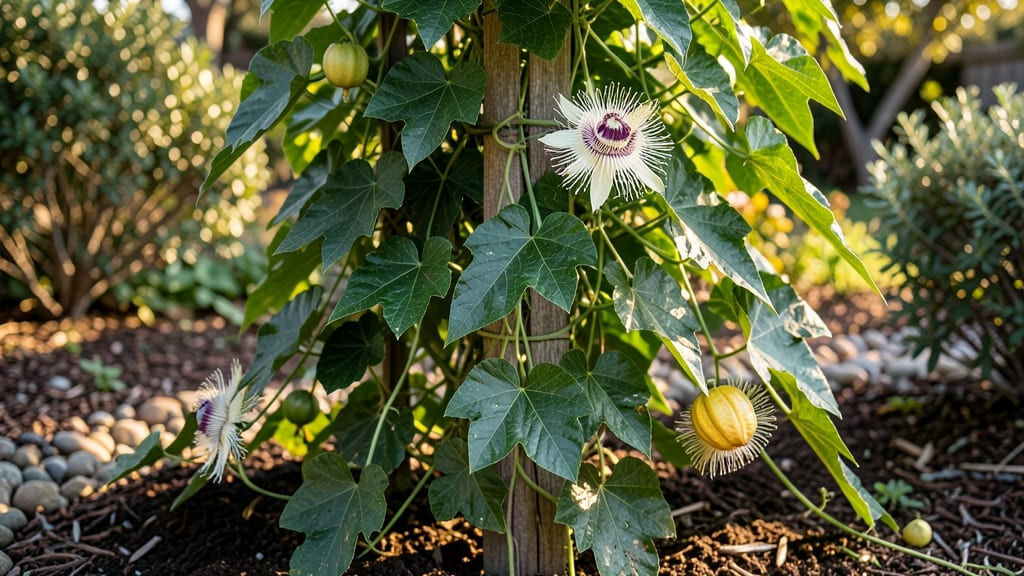
Nothing beats the tropical sweetness of yellow passion fruit varieties growing in your backyard. 🌿 These vines produce vibrant, fragrant fruit with minimal fuss—no heavy pruning required—once you choose the right type for your climate.
The 'Golden Passion Fruit' stands out for its large, juicy fruits perfect for juicing, while 'Passion Fruit Yellow' offers a sweeter, more aromatic profile ideal for fresh eating.
What makes these varieties special is their adaptability. They thrive in warm climates with 6-8 hours of sunlight daily and well-draining soil, making them perfect for containers or trellises in small spaces.
Unlike purple passion fruit, yellow varieties resist cracking and ripen more consistently, giving you a steady harvest from late summer through fall.
Imagine plucking sun-kissed fruits straight from the vine, their golden pulp bursting with tropical flavor. With just a little care—watering when the top inch of soil dries and occasional pruning to encourage airflow—you’ll enjoy a bounty that rivals store-bought (and tastes infinitely better).
Whether you're growing for fresh snacks, homemade juice, or just the beauty of their flowers, these varieties deliver. Let’s dive into which one will thrive best in your garden!
Genetics Behind Fruit Color
Yellow passion fruit varieties aren’t just a random twist of nature—they’re the result of genetic quirks and selective breeding that make them stand out from their purple-skinned cousins.
Understanding why some passion fruits turn golden while others stay deep purple comes down to a mix of biochemistry, pollination patterns, and even light exposure. Let’s break down the science behind this tropical color spectacle.
Fruit color in passion fruits (and many other plants) is primarily controlled by two types of pigments:
- Anthocyanins: These are the blue-purple-red pigments that give most passion fruits their classic hue. They thrive in acidic environments and are highly sensitive to light and temperature. When anthocyanins dominate, you get the deep purple or maroon skin we’re all familiar with.
- Carotenoids: These yellow-orange pigments are responsible for the golden glow in yellow passion fruit varieties. Unlike anthocyanins, carotenoids are fat-soluble and light-stable, meaning they don’t break down as easily. They’re also linked to higher vitamin A content, which is why yellow passion fruits often pack a nutritional punch.
In yellow varieties, carotenoid production is genetically amplified while anthocyanin synthesis is either suppressed or absent. This shift is often triggered by:
- Specific alleles (gene variants) inherited from parent plants.
- A higher pH in the fruit’s flesh, which favors carotenoid accumulation.
- Exposure to more sunlight during ripening, which boosts carotenoid synthesis.
Yellow passion fruit varieties didn’t just appear overnight—they were deliberately cultivated by plant breeders and farmers over decades. Here’s how it happened:
| Method | How It Works | Result |
|---|---|---|
| Cross-Pollination | Breeders cross-pollinated purple passion fruits with wild or mutant varieties that naturally produced yellow fruit. For example, the Passiflora edulis flavicarpa (yellow granadilla) was developed by hybridizing purple types with yellow-seeded passion fruits. | Stable yellow-skinned offspring with consistent color. |
| Mutation Hunting | Some yellow varieties, like the Passiflora ligularis, emerged from natural mutations where anthocyanin production was disrupted. Farmers then propagated these mutants. | Unique yellow varieties with distinct flavors and textures. |
| Clonal Propagation | Once a desirable yellow variety was identified, it was cloned via cuttings or tissue culture to ensure the trait remained consistent across generations. | Commercial yellow passion fruit strains like 'Golden Mine' or 'Golden Passion.' |
Pro Tip: 💡 If you’re growing passion fruits and notice a few yellow fruits among purple ones, you might’ve stumbled on a natural mutation! Save the seeds from those yellow fruits and try growing them—you could create a new variety.
Not all yellow passion fruits are genetically identical—some turn golden due to environmental factors during growth. Here’s what influences color:
- Sunlight Exposure:
- Yellow passion fruits often develop in full sun because carotenoids are photosensitive. Plants grown in shaded areas may produce fruit with less vibrant yellow tones or revert to purple.
- Actionable Tip: 🌡️ Place your passion fruit vines in a location with 6+ hours of direct sunlight daily to encourage yellow pigmentation.
- Temperature Fluctuations:
- Cooler nights (60–70°F) can slow anthocyanin production, allowing carotenoids to dominate. This is why yellow varieties are more common in temperate tropical climates (like parts of Brazil or Australia).
- Warning: ❄️ Extreme heat (above 90°F) can stress the plant, reducing fruit quality and potentially causing uneven color.
- Soil pH and Nutrition:
- Yellow passion fruits prefer slightly acidic to neutral soil (pH 6.0–7.0). Highly acidic soil (pH < 5.5) can boost anthocyanins, turning fruit purple even in genetically yellow varieties.
- Nitrogen-rich fertilizers can enhance carotenoid production, while excess phosphorus may dull colors. Use a balanced 10-10-10 fertilizer for best results.
The final color of a passion fruit is also determined by ripening hormones, particularly:
- Ethylene: This gas triggers ripening and can enhance carotenoid production in yellow varieties. If fruit is harvested too early, it may not develop its full golden hue.
- Auxins and Gibberellins: These hormones regulate fruit growth. An imbalance can lead to uneven coloration (e.g., half-yellow, half-purple fruit).
Pro Tip: ✨ For the most vibrant yellow passion fruits, let them ripen on the vine until they’re fully soft and fragrant. Harvesting too early can lock in a pale or patchy color.
Revitalize Your Passion Fruit Patch
Yellow passion fruit varieties are resilient, but even the hardiest plants can face challenges like poor fruit set, pest invasions, or nutrient deficiencies. The good news? Most issues have simple, effective fixes—no green thumb required.
Below, we’ll tackle common problems with practical solutions, prevention tips, and step-by-step guides to keep your passion fruit thriving with minimal fuss.
Cause: Insufficient pollination, improper pruning, or nutrient imbalances.
How to Turn It Around:
- Boost Pollination 🐝
- Passion fruit vines rely on bees, hummingbirds, or even a gentle hand. If your garden lacks natural pollinators, hand-pollinate by transferring pollen from male to female flowers using a small brush or cotton swab.
- Pro Tip: Plant native flowering plants (like sunflowers or marigolds) nearby to attract pollinators.
- Prune for Productivity ✂️
- Overgrown vines can divert energy away from fruit production. Prune aggressively in late winter or early spring:
- Cut back one-third of the oldest growth to encourage new, fruiting branches.
- Remove dead or diseased branches immediately to prevent spread.
- Prevention: Train vines along a trellis or fence to improve airflow and sunlight exposure.
- Overgrown vines can divert energy away from fruit production. Prune aggressively in late winter or early spring:
- Fertilize Smartly 🌿
- Yellow passion fruit thrives on balanced nutrients, especially phosphorus (P) and potassium (K).
- Apply a slow-release, citrus-friendly fertilizer (like 6-6-6 or 8-3-9) every 6–8 weeks during growing season.
- Quick Fix: Mix 1 tbsp of Epsom salt (magnesium sulfate) into water and spray foliage monthly for a magnesium boost.
Cause: Overwatering, poor drainage, or lack of pest control.
How to Treat It:
- Fungal Issues (Like Powdery Mildew) 🍄
- Prevent: Space plants 6–8 feet apart for airflow and water at the base (avoid wetting leaves).
- Fix: Spray with a baking soda solution (1 tsp baking soda + 1 quart water + a drop of dish soap) weekly until symptoms fade.
- Emergency Fix: Apply neem oil (follow label instructions) for severe cases.
- Pest Attacks (Spider Mites, Mealybugs, or Fruit Flies) 🐜 - Spider Mites: Shower vines with water daily for 2–3 days to knock off mites. Use insecticidal soap if infestation persists. - Mealybugs: Wipe off clusters with a cotton ball dipped in rubbing alcohol (70% isopropyl).
Repeat every 3 days. - Fruit Flies: Trap adults with a vinegar trap (1 cup vinegar + 2 drops dish soap in a jar; cover with plastic wrap and poke holes). - Prevention: Mulch with straw to deter soil-dwelling pests and remove fallen fruit promptly.
- Root Rot (From Overwatering) 💦
- Stop watering immediately and let the soil dry out completely.
- Improve drainage by amending soil with perlite or coarse sand.
- Long-Term Fix: Plant in well-draining soil (mix in compost and avoid heavy clay).
Cause: Soil exhaustion, improper pH, or lack of micronutrients.
How to Correct It:
- Yellowing Leaves (Iron or Nitrogen Deficiency) 🍃
- Iron Deficiency: Sprinkle iron sulfate around the base and water thoroughly. Repeat every 4–6 weeks.
- Nitrogen Deficiency: Apply blood meal or fish emulsion (follow package rates) for a quick green-up.
- Stunted Growth (Phosphorus or Potassium Lack) 📏
- Mix bone meal (for phosphorus) or wood ash (for potassium) into the soil. Reapply every 3–4 months.
- Soil pH Imbalance (Too Acidic or Alkaline) 🌡️
- Test soil pH (use a kit or send a sample to a local extension office).
- Lower pH (more acidic): Add sulfur or peat moss.
- Raise pH (less acidic): Mix in lime or wood ash.
- Ideal pH for passion fruit: 6.0–7.0.
- Water Deeply but Infrequently: Aim for 1–2 inches per week (drip irrigation reduces waste).
- Mulch Heavily: Use straw or wood chips to retain moisture and suppress weeds.
- Rotate Varieties: Plant different yellow passion fruit types (like ‘Golden Passionfruit’ or ‘Panama Gold’) to reduce disease buildup in the soil.
- Harvest at Peak Ripeness: Pick fruit when it detaches easily and has a sweet aroma (usually 80–100 days after flowering).
Final Thought: Yellow passion fruit varieties are low-maintenance powerhouses, but a little attention to pollination, pests, and soil health goes a long way. With these fixes, your vine will reward you with abundant, golden harvests year after year! 🌟
Frequently asked questions
What's the sweetest yellow passion fruit variety for fresh eating?
'Passion Fruit Yellow' (also called 'Yellow Granadilla') is the star for fresh eating—its pulp is sweeter and more aromatic than most purple varieties. The 'Golden Passionfruit' is a close second, with a slightly tart edge that balances its tropical sweetness. Both ripen fully on the vine, so let them soften completely before picking.
Can I grow yellow passion fruit in containers?
Yellow passion fruit varieties like 'Panama Gold' thrive in 15-gallon containers with well-draining potting mix. Use a trellis or sturdy cage to support the vines, and place the pot in full sun (6+ hours daily). Container-grown plants need regular watering (keep soil moist but not soggy) and monthly fertilizer during growing season.
Why are my yellow passion fruits turning purple?
This usually happens when anthocyanins (purple pigments) dominate due to stress factors. Check your plant's conditions: too much shade, acidic soil (pH < 6.0), or extreme heat (>90°F) can trigger this color shift. Move to full sun, amend soil to pH 6.0–7.0, and ensure consistent moisture to restore golden hues.
How do I know when yellow passion fruits are ripe?
Look for these signs: the fruit should detach easily from the vine, feel soft when gently squeezed, and have a sweet, tropical aroma near the stem. Avoid harvesting based on color alone—some varieties stay pale yellow even when ripe. For best flavor, pick in the morning when sugars are highest.
What's the best use for yellow passion fruit seeds?
Don't toss those seeds! They're packed with healthy fats and protein—roast them like nuts (toss in 350°F oven for 10–15 minutes) for a crunchy snack. You can also plant them to grow new passion fruit vines (though color may vary). For cooking, blend seeds into smoothies or sprinkle them on yogurt for extra nutrition.