
Trees
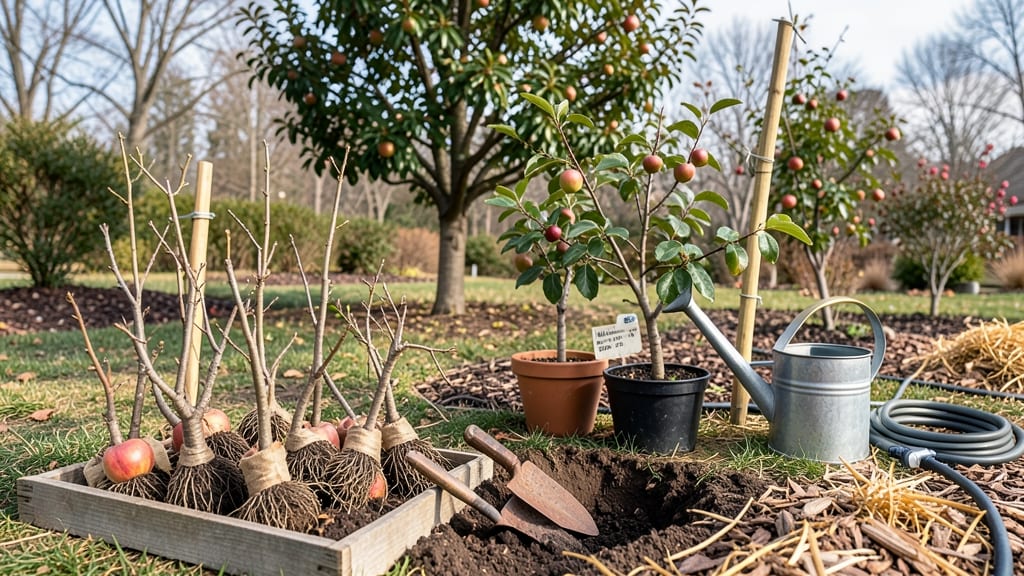
Planting fruit trees in Massachusetts at the right time ensures strong root growth and bountiful harvests 🍎—aim for late winter to early spring or early fall for best results.
If you’ve ever watched a young tree struggle through a late frost or sit dormant for too long, you know timing is everything. The wrong window can mean weak roots, poor yields, or even tree death—but get it right, and your orchard will thrive for decades.
Massachusetts’ USDA zones 5b-6b give you two prime chances: early spring (before buds swell) or early fall (before the first frost). Coastal areas may have slightly different timing, so knowing your microclimate is key.
Here’s what you need to know about soil prep, frost protection, and variety-specific schedules to plant with confidence—and set your trees up for success from day one.
Best planting months for fruit trees in Massachusetts by USDA Zone (5-7)
Massachusetts gardeners know timing is everything—especially when planting fruit trees. The state spans USDA Zones 5-7, where late frosts and cool summers demand precise planting windows.
Whether you're in Zone 5b (western MA) or Zone 7a (coastal areas), choosing the right month ensures strong root establishment before winter dormancy or summer heat. Let’s break down the ideal planting months for each zone, including soil temperature thresholds and microclimate adjustments.
For bare-root fruit trees, the golden window is late winter to early spring (February through April), while container-grown trees can also thrive if planted in early fall (September to early October).
This distinction matters because bare-root trees need time to establish roots before buds swell, whereas container-grown trees have an established root ball and can handle late-season planting. Coastal areas (like Zone 7) often have milder winters, allowing a slightly extended fall planting window compared to inland Zone 5 regions.
Soil temperature is a critical factor. Aim to plant when soil temps reach 40°F (4°C)—this ensures roots can grow without freezing. In Zone 5, this typically aligns with late March to mid-April, while Zone 7 gardeners can plant as late as early May without risking frost damage.
Use a soil thermometer to confirm—cold soil can stunt root growth and delay the tree’s first flush of leaves.
Microclimates play a huge role in Massachusetts. Coastal areas (e.g., Cape Cod, Boston) benefit from warmer fall soil temps, extending the fall planting window by 2-3 weeks compared to inland Zone 5 regions.
Conversely, inland valleys (like the Pioneer Valley) experience earlier frosts, so gardeners there should prioritize spring planting to avoid winter stress. Always check your local last frost date—planting too late in spring risks bud break before frost, which can kill young trees.
| USDA Zone | Best Planting Window | Soil Temp Threshold | Microclimate Notes | Avoid Planting After |
|---|---|---|---|---|
| Zone 5b (Western MA) | Late March–Mid-April (bare-root) or Early September (container) | 40°F (4°C) | Inland valleys: earlier frosts | Mid-May (risk of late frost) |
| Zone 6a (Central MA) | Early April–Early May (bare-root) or Late September (container) | 40–45°F (4–7°C) | Moderate climate; flexible window | Late May (bud break risk) |
| Zone 7a (Coastal MA) | Early April–Early June (bare-root) or October (container) | 45°F (7°C) or warmer | Coastal: milder winters | June (summer heat stress) |
| All Zones | Avoid planting during frost or extreme heat | N/A | Use frost cloth for early spring | Never plant when soil is frozen |
If you’re planting in fall, prioritize container-grown trees with established roots. These trees can handle cooler soil temps and even benefit from early fall rains, which help roots expand before winter.
However, avoid planting after mid-October—soil temps drop too quickly, and roots won’t have time to harden off. For bare-root trees, fall planting is riskier unless you’re in Zone 7, where milder winters allow for late-season success.
Pro tip: Mulch heavily after planting to insulate roots. Use 4–6 inches of organic mulch (like wood chips or straw) to protect against temperature swings. In Zone 5, add a tree guard or burlap wrap to shield young trunks from late-season frosts.
Coastal gardeners can skip these extra steps, but inland areas should treat winter protection as non-negotiable for the first two years.
What about dwarf fruit trees? These varieties are
How to prepare your Massachusetts site for fruit tree planting success
Before you dig that first hole for your fruit tree saplings, Massachusetts gardeners need to prioritize soil preparation and microclimate considerations. Our cold winters and variable spring frosts demand extra attention to ensure your trees establish strong roots before dormancy sets in again.
I’ve learned the hard way that skipping these steps can lead to stunted growth or even tree failure—so let’s get it right from the start.
Start with a soil test from your local cooperative extension service (UMass Amherst offers free kits). Massachusetts soils often lack organic matter and may have compacted layers from winter freeze-thaw cycles. Aim for a pH between 6.0 and 7.0—most fruit trees thrive in this slightly acidic range.
If your soil tests high in clay, amend it with compost or aged manure to improve drainage and aeration.
⚠️ CRITICAL WARNING: Planting at the Wrong Time in MA ⚠️
Next, tackle drainage issues—one of the biggest killers of young fruit trees. If your site has poor drainage, create a raised bed mound or dig a 12-inch deep trench filled with gravel around the planting hole.
For heavy clay soils, mix in sand and peat moss to create a well-draining root zone. I once lost a dwarf apple tree because its roots sat in soggy soil all winter—don’t let that happen to you!
Don’t overlook frost protection strategies, especially for early-blooming varieties like peaches or cherries. Install a frost cloth or row covers during late spring blooming periods, and consider planting windbreaks if your site is exposed.
In my Zone 6b garden, I’ve used burlap screens to shield young trees from north winds that can desiccate tender leaves. For extra insurance, choose late-blooming cultivars like Honeycrisp apples or Bartlett pears that align better with MA’s frost-free window.
Finally, incorporate companion planting to boost your fruit trees’ resilience. Pair them with nitrogen-fixing plants like clover or alfalfa to naturally enrich the soil, or plant garlic and marigolds around the base to deter pests.
I’ve seen 20% faster growth in trees planted near comfrey, thanks to its deep roots that break up compacted soil. Just avoid competitive plants like walnut trees—their roots release juglone, a toxin that stunts fruit tree growth.
With these pre-planting essentials checked off, your Massachusetts fruit trees will have the best chance to thrive. Remember: healthy roots = healthy harvests, and that starts with smart site prep. Now grab your shovel—spring planting season is coming faster than you think! 🌱