
Trees
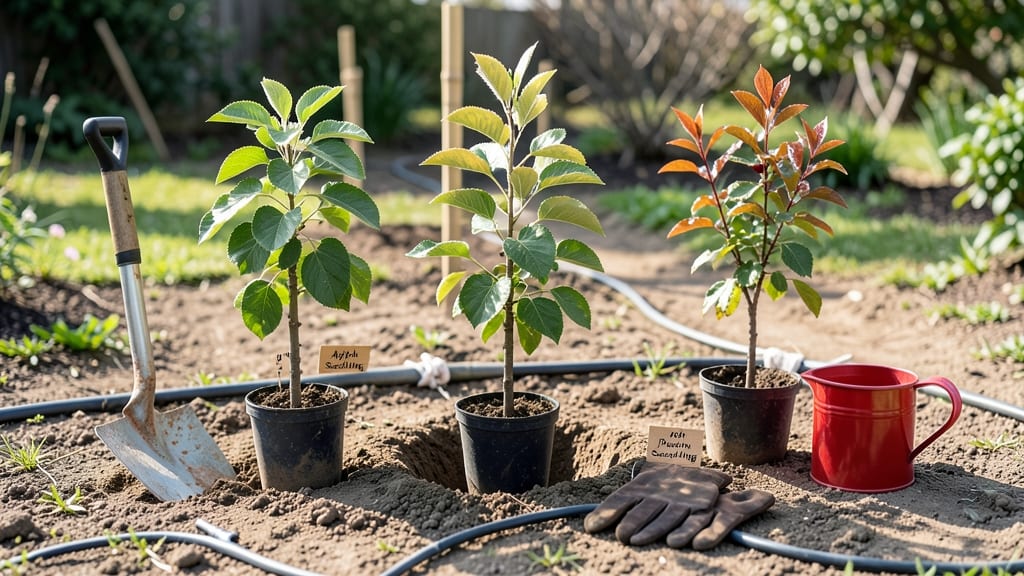
Planting fruit trees in Ohio during late winter or early spring sets them up for strong root growth before the heat of summer—timing makes all the difference for a healthy orchard 🍎.
Miss that window, and you risk stunted trees, weaker roots, and lower yields. Ohio’s 6a-6b climate means frost dates and soil temperatures matter just as much as the calendar—get it wrong, and your sapling could struggle for years.
This guide breaks down the perfect months for your zone, soil prep tips to avoid common mistakes, and how to care for your trees once they’re in the ground.
Whether you’re planting bare-root saplings or container-grown varieties, you’ll learn how to give your fruit trees the best start for a bountiful harvest.
Ohio planting zones and best months for fruit trees by variety
Ohio’s USDA Plant Hardiness Zones 5-7 create unique challenges for fruit tree growers, where timing is critical to avoid frost damage or stunted growth. Unlike tropical climates, Ohio’s cold winters and variable springs demand precise planting windows—typically late winter to early spring—when trees enter dormancy but before buds swell.
For example, Zone 5 gardeners should plant apples in late April, while Zone 7 peach trees thrive when planted in February. Understanding these differences ensures your trees establish strong roots before winter’s return.
Fruit trees planted at the wrong time face root stress, poor bud set, or even death from fluctuating temperatures. In Ohio, bare-root trees (sold without soil) must be planted while dormant—usually between November and March—but container-grown trees offer more flexibility, allowing spring or fall planting.
The key is aligning your planting with soil temperatures above 40°F and avoiding late spring frosts, which can damage emerging leaves. Let’s break down the best months for each fruit tree variety across Ohio’s zones.
Comparison Table: Ohio Fruit Tree Planting Windows by Zone and Variety
For Zone 5 gardeners, late April to early May is the sweet spot for most fruit trees, aligning with soil warming and reduced frost risk. However, peaches and plums can handle earlier planting in Zone 7, thanks to milder winters.
Always check your last frost date—Ohio’s ranges from April 15 in the north to March 20 in the south—and plant 2-3 weeks after to ensure safety. Pro tip: Use frost cloth for early bloomers if late frosts threaten.
Dormancy is your ally in Ohio’s climate. Planting bare-root trees in late winter (November–February) lets roots establish before buds break, while container-grown trees can go in spring or fall. Avoid planting in summer heat, which stresses roots, or winter freezes, which can damage exposed bark.
If you’re in Zone 6 or 7, you might even get away with fall planting (September–October), but monitor soil temps—below 40°F slows root growth.
Soil temperature matters more than air temperature. Use a soil thermometer to confirm 40°F+ before planting; colder soils can shock roots. In Ohio, this often means waiting until mid-April in Zone 5 or early March in Zone 7.
Pair this with well-draining soil (amend clay with compost!) and full sun exposure to maximize success. Remember: Patience is key—fruit trees may take 3-5 years to bear, but proper timing now ensures decades of harvests.
If you’re unsure about your zone, use the USDA Zone Finder (or Ohio State University’s local climate maps) to
Pre-planting soil preparation: Ohio-specific tips for root success
Ohio’s clay-heavy soils and rocky subsoils can make fruit tree planting challenging if not properly prepared. Before planting your apple, peach, or cherry trees, focus on improving drainage, balancing pH levels, and adding organic matter to create an ideal root environment.
Skipping this step can lead to poor nutrient uptake, root rot, or stunted growth—so let’s get your soil ready for success.
Start by testing your soil’s pH balance using a home test kit or sending a sample to your local Ohio State University Extension office. Fruit trees thrive in slightly acidic to neutral soil, with an ideal pH range of 6.0–7.0.
If your soil is too acidic (below 6.0), add lime to raise the pH; if it’s alkaline (above 7.0), incorporate sulfur or peat moss to lower it. Adjustments should be made 2–3 months before planting to allow time for changes to take effect.
- Test Soil Drainage: Dig a 12-inch hole and fill it with water. If it drains in 4–6 hours, your soil is well-draining. If not, amend with compost or sand to improve aeration.
- Add Organic Matter: Mix in 3–4 inches of compost or aged manure into the top 12 inches of soil. This boosts nutrient content and improves soil structure for root growth.
- Avoid Compacted Areas: Fruit tree roots need loose soil to spread. Break up clay pans or rocky layers with a garden fork or tiller before planting.
- Mulch for Moisture: Apply a 3-inch layer of mulch (wood chips or straw) around the planting area to retain moisture and regulate soil temperature.
- Choose the Right Spot: Select a location with full sun exposure (6+ hours daily) and space for mature tree size (15–80 feet tall). Avoid low-lying areas prone to waterlogging.
For bare-root trees, soak the roots in water for 1–2 hours before planting to rehydrate them. Dig a hole twice as wide as the root ball but no deeper—planting too deep can suffocate roots and cause girdling.
Backfill with a mix of native soil and compost, then water deeply to eliminate air pockets. Container-grown trees should be planted at the same depth as they were in the pot to avoid stress.
After planting, water your fruit tree deeply once a week for the first month to encourage root establishment. Avoid overwatering, as Ohio’s clay soils can become soggy and lead to root rot.
Instead, aim for consistent moisture—about 1–2 inches of water per week—while allowing the top inch of soil to dry between waterings. This balance is key to preventing both drought stress and waterlogged roots.
Finally, monitor your tree’s progress in the first growing season. Healthy roots will show signs of new growth, such as leafy shoots or increased canopy size. If you notice yellowing leaves or slow growth, it may indicate nutrient deficiencies or poor drainage—adjust your care routine accordingly.
With the right soil prep, your fruit trees will have a strong foundation for years of abundant harvests.