
Trees
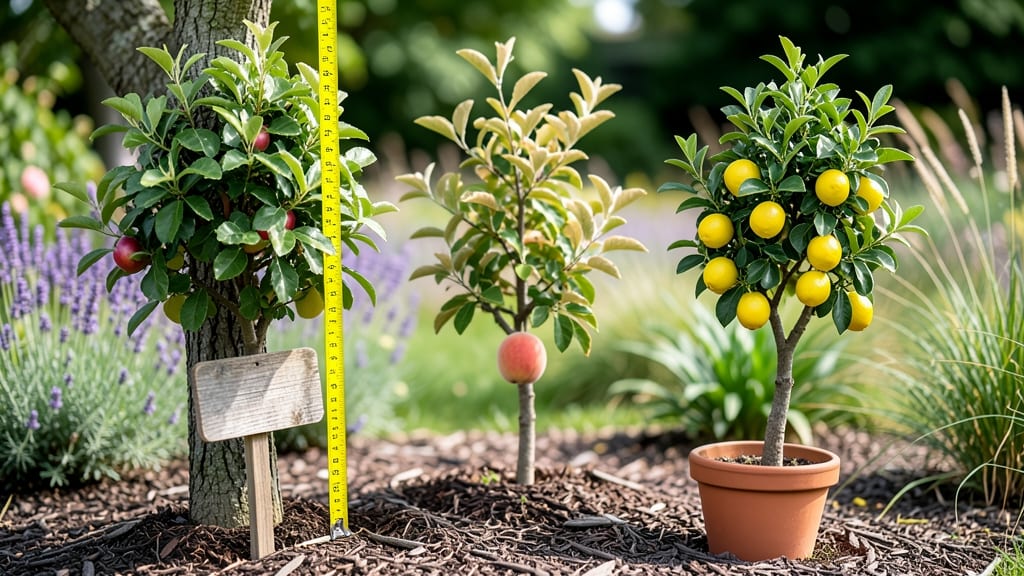
If you're wondering how tall do dwarf fruit trees grow, they typically reach between 6 and 12 feet at maturity 🍎🍊🍇, making them perfect for small yards, patios, or even large containers.
Dreaming of a bountiful fruit harvest but short on space? Dwarf fruit trees could be your game-changer—packing big flavor into tiny footprints. Whether you're growing apples, citrus, or peaches, these compact varieties keep your garden tidy while delivering the same delicious rewards as their full-sized cousins.
Not all dwarf trees stay the same height, though. Some varieties, like 'Columnar' apples, max out at 8 feet, while others, such as certain citrus types, might stretch closer to 10-12 feet. Sunlight, soil quality, and pruning habits all play a role in keeping them in check.
Below, I’ll break down the height ranges for popular dwarf varieties, share pro tips to maintain their compact size, and show you how to pick the perfect tree for your space—whether that’s a balcony or a cozy backyard corner.


Dwarf fruit tree height guide by popular variety (with space requirements)
If you're dreaming of a backyard orchard but lack the space for full-sized trees, dwarf fruit trees are your perfect solution. These compact varieties pack all the flavor of their larger counterparts into a 6-12 foot frame—ideal for small yards, patios, or even large containers.
The key to success lies in choosing the right variety for your space and understanding their mature dimensions.
Most dwarf fruit trees reach maturity in just 3-5 years, making them faster to fruit than standard trees. However, their final height and spread depend heavily on the variety, pruning habits, and growing conditions.
Let's explore the most popular options and their space requirements to help you plan your miniature orchard.
Pro Tip: Always check the specific rootstock of your dwarf tree, as some "dwarf" varieties grafted onto semi-dwarf rootstock may grow taller than expected. For true compact growth, look for trees labeled as columnar or grafted onto M.9 or B.9 rootstock for apples, or Carrizo for citrus.
| Variety | Mature Height (ft) | Spread (ft) | Ideal Spacing (ft) | Best For |
|---|---|---|---|---|
| Apple - 'Columnar' (e.g., 'Red River') | 6-8 | 2-3 | 3-4 | Containers, small yards |
| Apple - 'GoldRush' (M.9 rootstock) | 8-10 | 6-8 | 6-8 | Ground planting |
| Citrus - 'Calamondin' (dwarf) | 6-10 | 4-6 | 5-6 | Containers, warm climates |
| Peach - 'Bonanza' (dwarf) | 8-10 | 6-8 | 6-8 | Small orchards |
| Fig - 'Little Miss Figgy' (dwarf) | 6-8 | 4-5 | 4-5 | Containers, patios |
| Cherry - 'Stella' (dwarf) | 8-10 | 5-6 | 6-8 | Cold-hardy small spaces |
| Lemon - 'Meyer' (dwarf) | 6-10 | 5-7 | 5-6 | Indoor/outdoor containers |
| Plum - 'Santa Rosa' (dwarf) | 8-10 | 6-8 | 6-8 | Small gardens |
| Pear - 'Hooded' (dwarf) | 8-10 | 6-8 | 6-8 | Ground planting |
| Orange - 'Calamondin' (dwarf) | 6-8 | 4-5 | 4-5 | Containers, patios |
When planning your space, remember that spread is just as important as height. For example, a 6-foot-tall lemon tree with an 8-foot spread will need significantly more horizontal room than a columnar apple tree that only spreads 2 feet.
Always measure your available area before purchasing, and consider 3-4 feet of clearance around the tree for airflow and maintenance.
For container growing, choose varieties labeled as "d
How to choose the right dwarf fruit tree for your space constraints
Choosing a dwarf fruit tree means balancing your available space with the tree's growth habits. Unlike their full-size counterparts, these compact varieties thrive in small gardens, balconies, or even large containers.
But not all dwarf trees grow the same—some stay under 6 feet, while others reach 10 feet at maturity. Your decision should factor in sunlight exposure, container size, and your USDA hardiness zone.
Before selecting a variety, measure your space and consider how much room the tree will need to spread its branches. A dwarf apple tree might only grow 8 feet tall but could spread 6 feet wide, while a citrus tree might stay shorter but require more frequent watering.
Let’s break down the key considerations to help you pick the perfect fit for your space.
Start by calculating your space’s dimensions. If you’re planting in the ground, leave 3-6 feet of clearance around the tree for airflow and maintenance.
For containers, ensure the pot is 2-3 times wider than the tree’s root ball to prevent root binding, which can stunt growth or make the tree leggy.
Next, assess your sunlight exposure. Most dwarf fruit trees need at least 6 hours of direct sun daily, but some varieties, like dwarf figs, can tolerate partial shade. If your space is shady, opt for low-light-tolerant varieties or supplement with grow lights during the growing season.
Finally, consider your climate zone. Dwarf apple and peach trees, for example, handle colder winters well, while citrus trees need protection from frost. If you live in a USDA zone below 7, choose cold-hardy varieties like dwarf Honeycrisp apples or Siberian crabapples instead of tropical fruit trees.
With these factors in mind, you’ll be able to select a dwarf fruit tree that fits your space perfectly—whether it’s a 6-foot-tall lemon tree on your patio or a 4-foot columnar apple tree in your backyard. Happy planting! 🌱🍊