
Trees
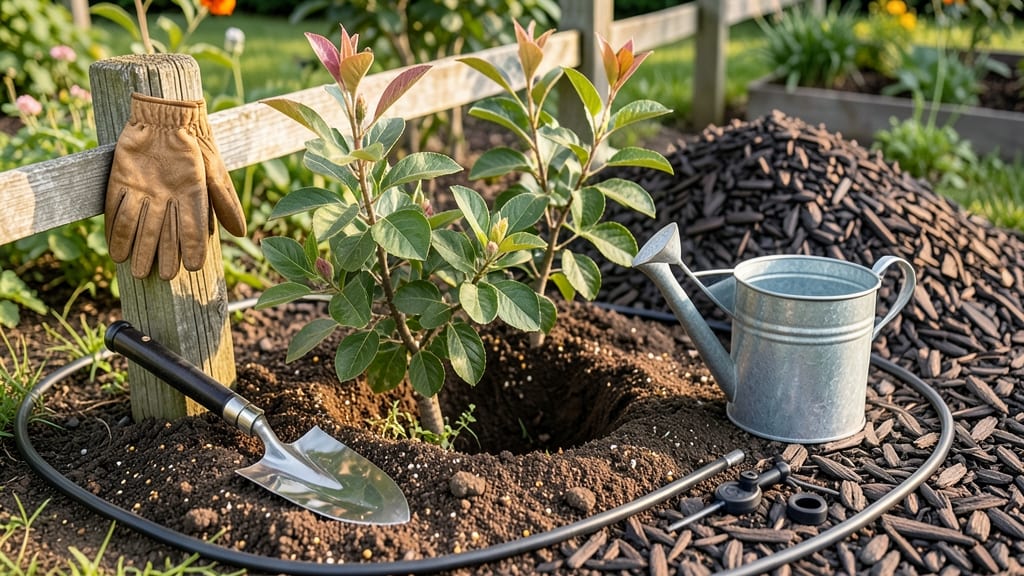
Planting fruit trees in Georgia depends on chill-hour needs and frost-free windows — timing is everything, especially when peaches and apples clash with late spring frosts.
Georgia’s warm climate and diverse microclimates make planting fruit trees a rewarding—but tricky—endeavor, especially when chill-hour needs clash with planting windows. Get it wrong, and your peach tree might bloom too early, or your apple tree could struggle to set fruit.
Most Georgia growers plant between November and March, when the soil is cool but workable and the risk of late frosts is lower. Bare-root trees thrive in winter’s dormant season, while containerized varieties can go in slightly later, as long as the ground isn’t frozen.
Below, I break down the exact chill-hour requirements for Georgia’s top varieties, how to adjust for North Georgia’s cooler mountains or South Georgia’s heat spikes, and the one mistake that kills more fruit trees here than anything else.
Georgia’s best planting months for fruit trees by chill-hour Zone
Georgia’s diverse climate—from the cool mountain air of North Georgia to the humid lowlands of South Georgia—means fruit tree planting isn’t one-size-fits-all. The key? Matching your tree’s chill-hour needs with the right planting window.
Low-chill varieties (300–600 hours) thrive in the south, while high-chill trees (900+ hours) need the mountain zones. Plant too early, and frost will damage tender roots; too late, and your tree won’t establish before summer heat arrives.
For bare-root trees, the ideal window stretches from November through March, when trees are dormant and soil is cool but workable. Container-grown trees offer more flexibility—plant them anytime soil isn’t frozen, but prioritize fall or early spring for best root establishment.
Remember: Georgia’s unpredictable spring frosts can turn a perfect planting day into a disaster if your tree isn’t hardened off.
Here’s how to align your planting with Georgia’s three chill-hour zones, including soil prep and frost-risk adjustments for each region:
In South Georgia’s flatlands (Zone 8a–9a), low-chill varieties like ‘Tropicana’ peaches or ‘Satsuma’ mandarins can handle the heat, but avoid planting after February 15th. The soil stays warm longer, and roots may overheat if planted too late.
For these areas, focus on November–January to give roots time to establish before summer’s intensity.
Central Georgia’s 600–900 chill-hour zone (Zone 7b–8a) is trickier. Varieties like ‘Elberta’ peaches or ‘Anna’ apples need precise timing. Plant in December–March, but delay until after the average last frost date (typically mid-March).
Use a frost cloth for young trees if late frosts threaten. Amend soil with organic matter to improve water retention—Georgia’s clay soils can bake in summer.
North Georgia’s mountain regions (Zone 6b–7a) offer the longest frost-free periods for high-chill trees like ‘Granny Smith’ apples or ‘Stanley’ plums. Plant from November through January, but avoid late November if early frosts are forecasted.
These areas experience sharper temperature swings, so mulch with 4–6 inches of wood chips to protect roots. Test soil pH—mountain soils often lean acidic, and fruit trees prefer 6.0–7.0.
Pro tip: Use a soil thermometer to check if soil is 50–60°F before planting. Cool soil in fall and spring helps roots establish without stress. For container-grown trees, water deeply 1–2 weeks before transplanting to reduce shock.
After planting, stake young trees and apply a 2-inch layer of mulch to retain moisture and regulate temperature.
Remember, Georgia’s microclimates can shift dramatically over short distances. If you’re unsure about your chill hours, check the USDA Plant Hardiness Zone Map and local extension office data. For example, Athens (Zone 8a) might support peaches, while Blairsville (Zone 7a) can handle apples.
Planting at the right time ensures your tree blooms, fruits, and thrives—not just survives.
Finally, don’t overlook post-planting care. Young fruit trees need consistent watering—1–2 inches per week—and protection from pests like aphids or borers. A well-timed planting sets the stage for decades of harvests, so choose your window wisely!
Top 5 fruit tree varieties for Georgia’s climate (with exact chill-hour needs)
Georgia’s climate is perfect for growing fruit trees, but selecting the right varieties with the correct chill-hour requirements is key. Too few chill hours, and your tree won’t fruit well; too many, and it might struggle in our heat.
I’ve narrowed it down to five top-performing varieties that thrive across Georgia’s diverse zones, from the mountains to the coastal plains.
Peaches, plums, and apples lead the pack, but each has unique needs. For example, ‘Tropicana’ peaches need just 200–300 chill hours, making them ideal for South Georgia’s warmer areas, while ‘Anna’ apples require 800–900 chill hours, perfect for North Georgia’s cooler elevations.
Let’s dive into the details so you can choose the best fit for your yard.
Chill hours measure the number of hours below 45°F a tree needs to break dormancy and produce fruit. Georgia’s zones range from 7a–8b, so matching your variety to your location is critical. Urban gardens may also face heat stress or limited space, so I’ve included notes on dwarf options and heat tolerance for city growers.