I still remember the first time I dug my hands into soil as a kid in my grandmother’s garden in upstate New York—how the earth smelled after rain, how the sun warmed my shoulders as I pulled up carrots. That moment stuck with me, and now, years later, I’m here to share the joy of growing your own food, whether you’ve got a backyard plot or just a sunny windowsill. This site is my way of passing along the lessons I’ve learned: the patience it takes, the little tricks that make all the difference, and the quiet satisfaction of harvesting something you’ve nurtured yourself.
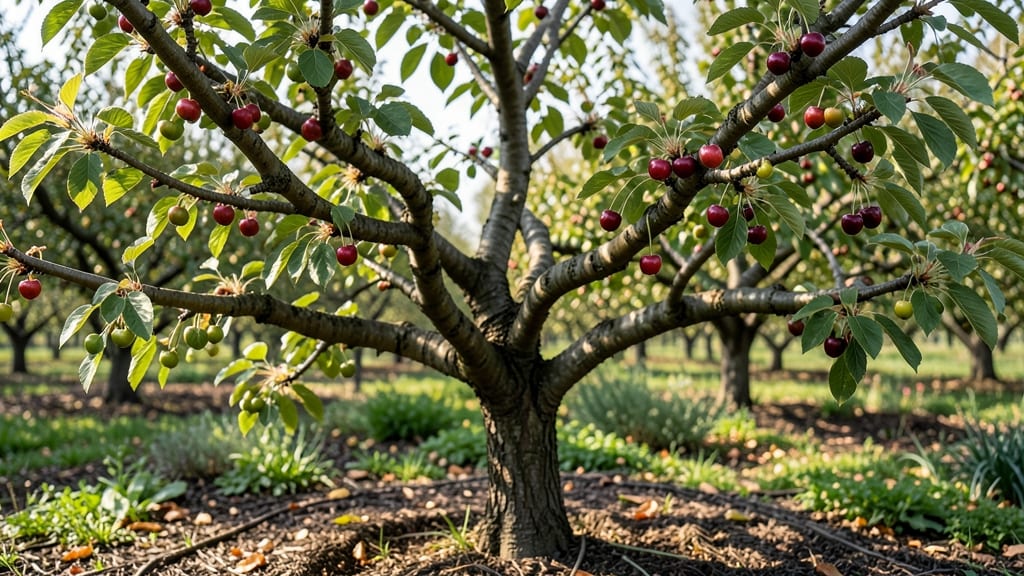
Understanding the five key stages of cherry tree fruit development is the difference between a bountiful harvest and a season of disappointment 🍒. Watching a cherry tree transform from dormant branches to a bounty of…
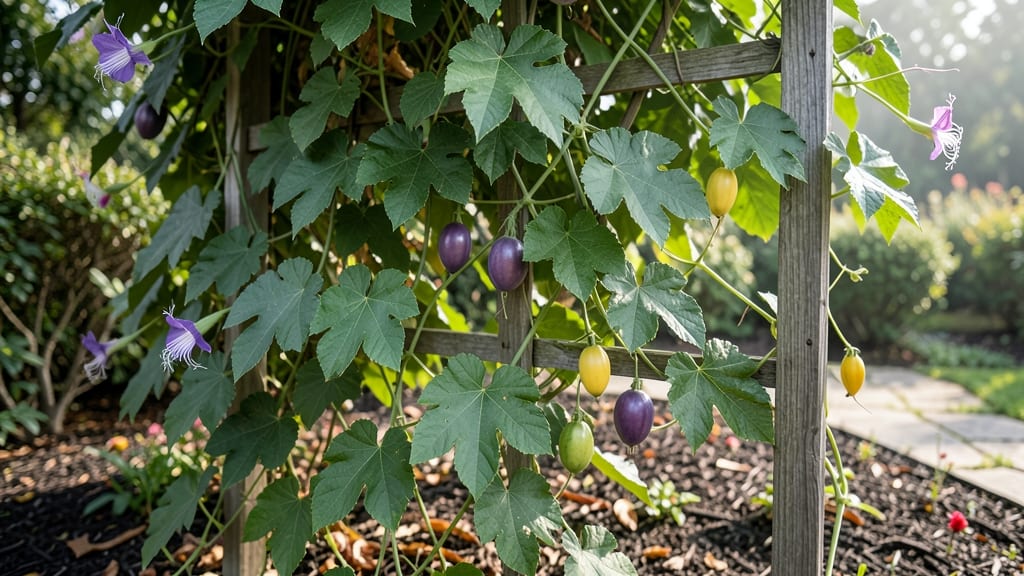
Growing passionfruit vines in your backyard means tropical flavors without the travel. 🌿 I've wrestled with these vines for years—from struggling seedlings to bursting with purple fruit—and the secrets to success start…
Growing grapefruit from seed means waiting three years for fruit—but the journey starts with a single pit. 🌱 I’ve tried this twice, and while the trees never match store-bought grafted varieties, there’s something…
Planting fruit trees in Georgia depends on chill-hour needs and frost-free windows — timing is everything, especially when peaches and apples clash with late spring frosts. Georgia’s warm climate and diverse…
Understanding the seasonality of dragon fruit 🐉 is the key to unlocking a bountiful harvest, whether you're in Hawaii, Florida, or Southeast Asia. Picture this: you've waited 18 months for your dragon fruit to bloom…
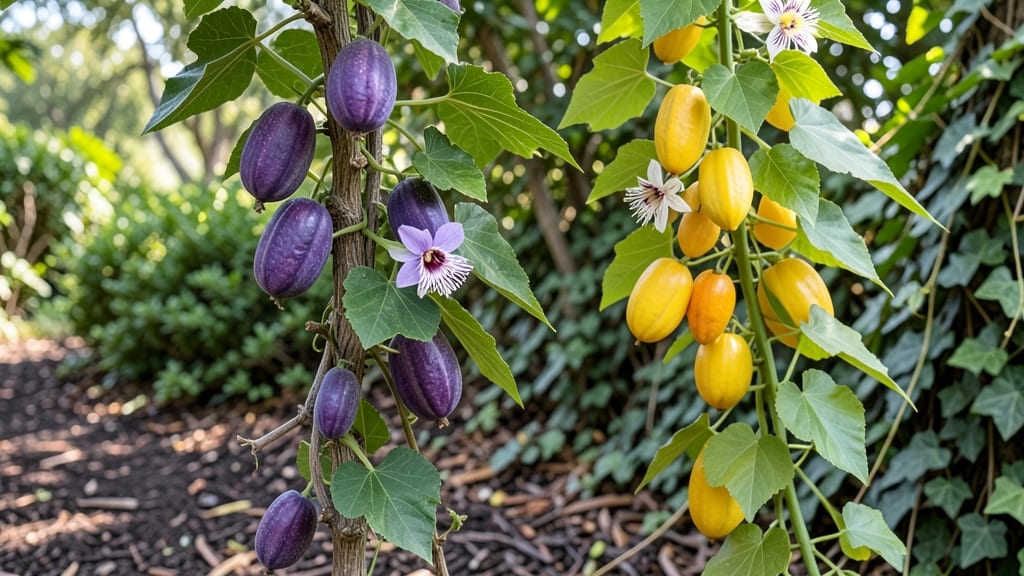
Growing purple passion fruit vs yellow passion fruit isn't just about color—it's about choosing a vine that thrives in your climate and delivers fruit that tastes like sunshine or mystery. 🌿 I've grown both in my…
Understanding leaves, roots, and fruits transforms how you grow plants. 🌱 I’ve learned that each part has a unique job—roots anchor and feed, leaves breathe and make food, and fruits store energy for next season. These…
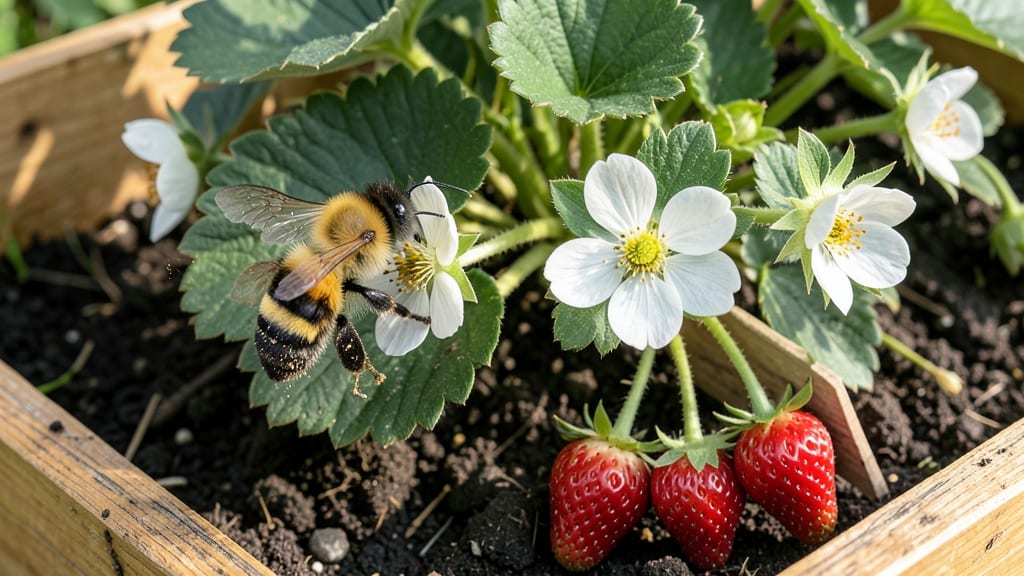
💥 Quick Answer Strawberries do not need pollinators to produce fruit because they are self-fertile, meaning their flowers can self-pollinate without insects or wind. However, cross-pollination often improves fruit…
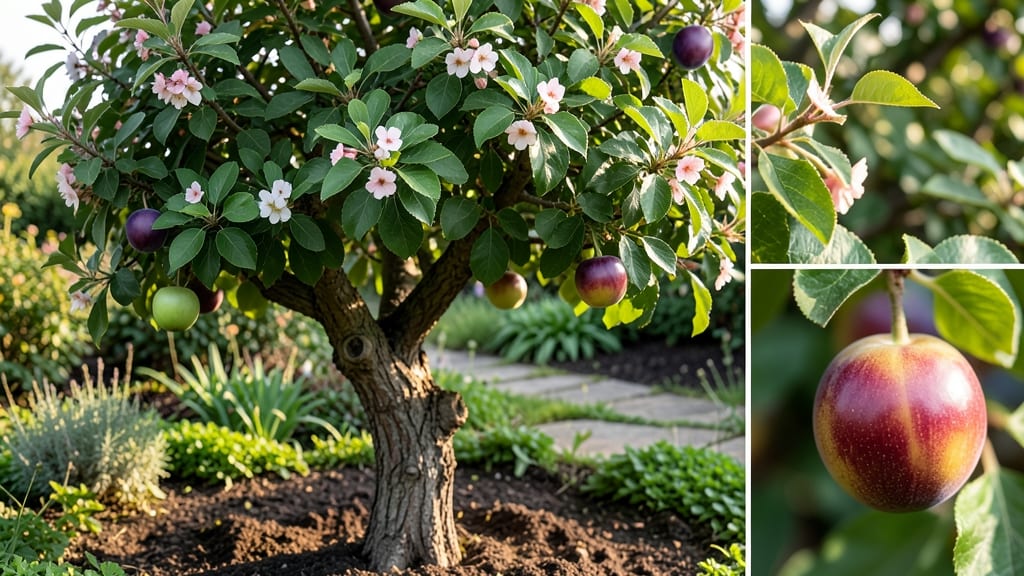
Plum trees bear fruit typically 2 to 4 years after planting, but the exact timing depends on your climate zone and variety. 🌱 In warmer zones (7-10), most plums fruit in late spring to early summer , while cooler zones…
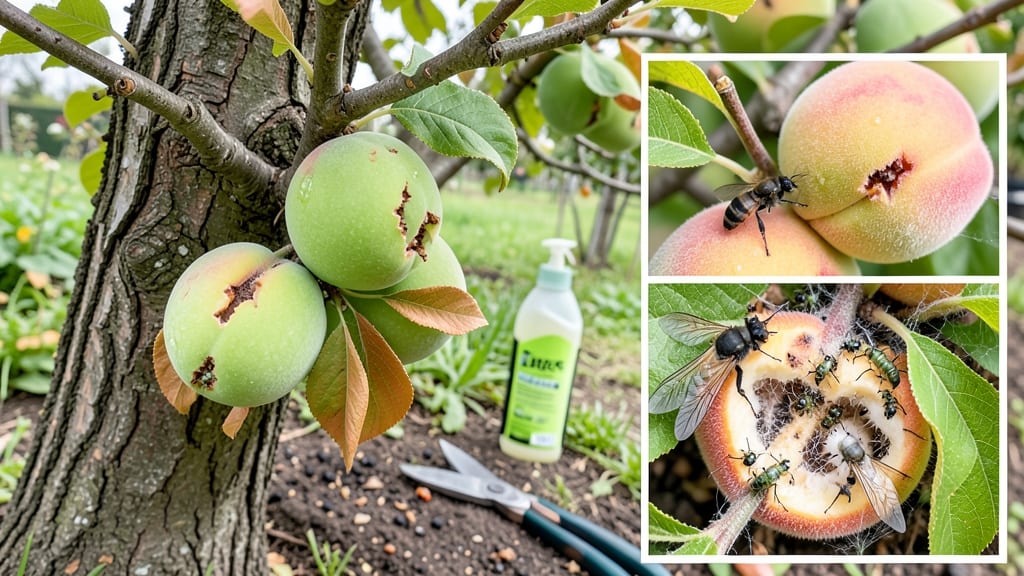
💥 Quick Answer Identifying fruit tree pests early is key to protecting your harvest, as species like aphids, borers, and mites attack leaves, bark, and fruit. Look for chewed foliage, sticky sap residue, or visible…