
Fertilization
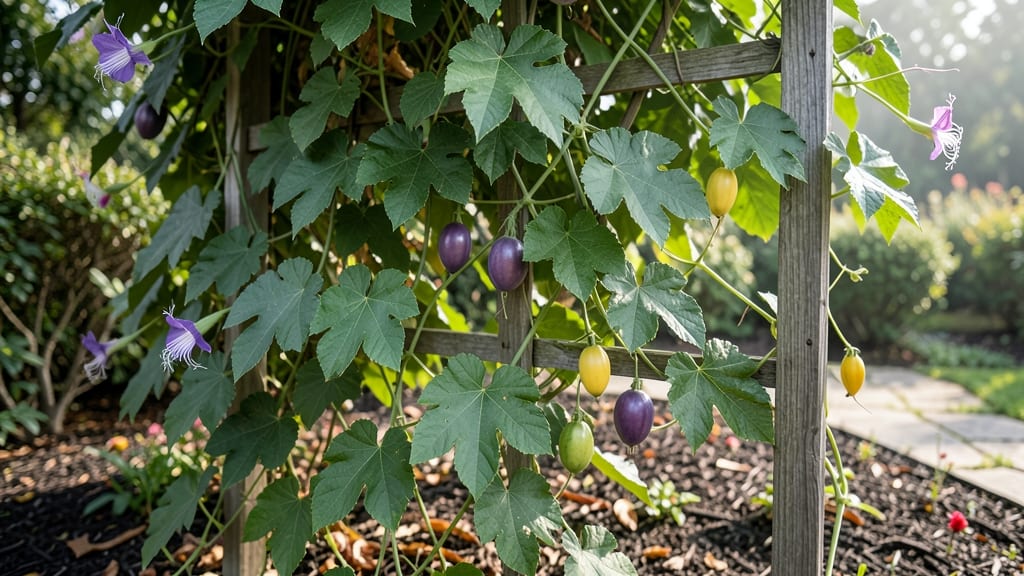
Growing passionfruit vines in your backyard means tropical flavors without the travel. 🌿 I've wrestled with these vines for years—from struggling seedlings to bursting with purple fruit—and the secrets to success start with the right soil, sunlight, and a little patience.
The payoff? Homegrown fruit so fragrant it makes store-bought taste bland.
The real magic happens when you match the vine to your climate. Passionfruit thrives in zones 9-11, but with winter protection, you can grow it as far north as zone 8.
Start with well-draining soil mixed with compost, and give it 6-8 hours of morning sun—afternoon shade prevents fruit from scorching. The vines are aggressive climbers, so a sturdy trellis or fence is non-negotiable.
Once established, you'll see those signature 3-inch flowers appear within months, followed by the iconic egg-shaped fruit. Hand-pollination helps in cooler climates—just use a small brush to transfer pollen.
With proper care, a single vine can produce 50+ fruits per season, and the flavor? Unmatched by anything in grocery stores.
Where it gets tricky is frost sensitivity—even a light freeze can kill the vines. In colder zones, bring potted plants indoors or mulch heavily. And watch for pests like passionvine hoppers; a strong spray of water usually does the trick.
The first harvest might take a year, but once you crack the code, you'll never buy passionfruit again.
📚 In This Guide
- What you need
- Instructions
- Tips and common mistakes
- Wrapping up and next steps
What you need
- ● Passion fruit plant: 1-2 healthy Passiflora edulis (purple) or Passiflora ligularis (yellow) plants (nursery-bought or propagated from cuttings/seeds).
- ● Pro tip: 💡 Choose disease-resistant varieties if your climate is humid!
- ● Well-draining soil: 5-10 gallons of a mix of: 60% potting soil (or garden soil amended with compost).
- ● 30% perlite or coarse sand (for aeration).
- ● 10% coconut coir or peat moss (for moisture retention).
- ● Container (if not planting in-ground): 1 large pot (15-20 gallons) with drainage holes or a raised bed (at least 3 ft wide/deep).
- ○ Optional: 🌡️ Add a heat mat for cooler climates (60-70°F soil temp = happy roots!).
- ● Fertilizer: Balanced fertilizer (10-10-10 or 20-20-20) for initial planting.
- ● Slow-release organic fertilizer (e.g., worm castings or composted manure) for ongoing feeding.
- ● Citrus-specific fertilizer (high in micronutrients like zinc and iron) during fruiting season.
- ● Support structure: Trellis, fence, or sturdy stakes (6-8 ft tall) to train vines vertically.
- ● Soft ties (jute or plastic plant straps) to secure vines without damaging them.
- ● Mulch (straw or wood chips) to retain moisture and suppress weeds.
- ● Drip irrigation system or soaker hose for consistent watering.
- ● Pruning shears (sterilized with rubbing alcohol) for shaping and harvesting.
- ● Bees or hand-pollination tools (paintbrush or cotton swab) if your area lacks pollinators.
- ● Frost cloth (for tender climates) or a greenhouse setup for overwintering.
Step-by-Step instructions for growing passion fruit at home
Here's how to cultivate a thriving passion fruit vine—tropical flavor in your backyard.
🌱 Step 1: Choose and Prepare Your Vine
Passion fruit vines thrive from cuttings or young plants. Look for healthy, disease-free 3-4 inch cuttings with at least 2-3 nodes (those little bumps where leaves grow). I always dip the cut end in rooting hormone to encourage faster root development. Place the cutting in a small pot with well-draining potting mix—this vine hates soggy roots.
Keep the soil consistently moist but not waterlogged. Within 4-6 weeks, you should see new growth at the nodes, signaling successful rooting. This is the moment that matters: once roots form, your vine is ready to grow vigorously. If you're starting with a young plant, simply repot it into a 5-gallon container with fresh potting mix and a handful of compost for nutrients.
☀️ Step 2: Position for Maximum Sun and Support
Passion fruit vines are sun worshippers—they need full sun (6-8 hours daily) to produce fruit. In cooler climates, a south-facing wall or trellis works best. Install a strong trellis or arbor immediately, as vines can grow 20-30 feet in a single season. I use a metal trellis because it lasts longer and supports the weight of heavy fruit.
Train the vine early by gently weaving new growth along the trellis. This prevents tangled, unruly growth later. If your vine starts to lean toward the light, rotate the pot slightly each week to encourage even growth. You'll see the difference in 2-3 weeks—stronger stems and better fruit set.
💧 Step 3: Water and Fertilize for Optimal Growth
Water deeply 2-3 times per week, ensuring the top 2 inches of soil feel dry before watering again. Passion fruit vines are drought-tolerant once established, but young plants need consistent moisture. I water in the early morning to reduce evaporation and fungal risks. Avoid wetting the leaves, as this can lead to leaf spot disease—a common issue with tropical vines.
Feed your vine every 4-6 weeks with a balanced, water-soluble fertilizer (10-10-10) during the growing season. Reduce fertilization in winter months when growth slows. You'll notice darker green leaves and more vigorous new shoots within a few weeks of fertilizing. If flowers appear but drop off, your vine may need more phosphorus—switch to a 5-10-10 fertilizer for a few months to encourage fruiting.
✂️ Step 4: Prune and Encourage Fruit Production
Prune your vine once in early spring to remove dead or weak growth and shape the plant. Cut back overly long vines by about one-third to redirect energy into fruit production. I also remove any suckers (small shoots growing from the base) to focus the vine's energy on climbing and fruiting.
When flowers appear, hand-pollinate them by gently shaking the vine or using a small brush to transfer pollen. Passion fruit flowers are self-pollinating, but a little help ensures better fruit set. Once fruit forms, watch for sunburn—young fruits can develop brown patches in intense heat. Shade young fruits with lightweight fabric if temperatures exceed 90°F for extended periods.
⏰ Step 5: Harvest and Overwinter Your Vine
Passion fruit is ready to harvest when it detaches easily from the vine and has a deep purple or yellow color, depending on the variety. Use pruning shears to avoid damaging the stem. I harvest in late summer to early fall, usually 8-12 months after planting. Store fruit at room temperature until fully ripe—unripe passion fruit won't sweeten further.
In colder climates, bring potted vines indoors before temperatures drop below 40°F. Reduce watering and stop fertilizing until spring. If you're in a frost-free zone, the vine can stay outdoors year-round. With proper care, your passion fruit vine will produce for years, rewarding you with tropical sweetness straight from your garden.
Tips & tricks for perfect tropical passion fruit vine growth
Here's what I've learned after years of growing these tropical vines—tricks that make all the difference between a struggling plant and a fruit-bearing powerhouse.
Rooting Hormone Matters: When you're rooting those 3-4 inch cuttings in Step 1, don't skip the rooting hormone—it can triple your success rate. I've found that cloning gel works even better than powder because it stays put on the cutting. Apply it generously to the cut end before planting, then keep the soil consistently moist (not soggy) for those critical 4-6 weeks until you see new growth at the nodes. This is where most beginners fail—they either overwater or don't use enough hormone.
Sunlight Strategy: The 6-8 hours of full sun requirement in Step 2 is non-negotiable, but here's the secret: if you're in a cooler climate, start your vine near a south-facing window or under grow lights during winter months. I've had vines that barely survived summer heat but thrived in winter with just 4 hours of direct light supplemented by artificial light. Once temperatures rise above 75°F, move them outdoors gradually to avoid sun shock.
Fertilizer Timing: That 4-6 week fertilization schedule in Step 3 is perfect, but here's the pro move: alternate between your 10-10-10 balanced fertilizer and a fish emulsion (5-1-1) every other feeding. The fish emulsion gives you an extra nitrogen boost that passion fruit vines love, especially when they're putting on new growth. I also mix in a handful of worm castings with each feeding—it improves soil structure and microbial activity, which your vine will thank you for with better fruit set.
Sunburn Prevention: When those young fruits start forming in Step 4, watch for temperatures exceeding 90°F. I've lost entire crops to sunburn when I wasn't paying attention. My solution? Use lightweight cheesecloth or shade cloth draped over the fruits during peak afternoon sun. You can also paint the fruits with a mix of water and white latex paint (diluted 1:1) to reflect sunlight—it sounds odd, but it works beautifully and washes off when the fruit ripens.
Pro Tips for Passion Fruit Or Passionfruit
- Here's what I've learned after years of growing these tropical vines—tricks that make all the difference between a st...
- Rooting Hormone Matters: When you're rooting those 3-4 inch cuttings in Step 1, don't skip the rooting hormone—it can...
- Sunlight Strategy: The 6-8 hours of full sun requirement in Step 2 is non-negotiable, but here's the secret: if you'r...
Frequently asked questions
How often should I fertilize my passion fruit vine?
Feed your vine every 4–6 weeks during the growing season (spring to fall) with a balanced fertilizer (like 10-10-10). Use half the recommended dose to avoid overloading roots. In winter, reduce to once every 2–3 months or skip entirely if growth slows. Pro tip: Mix compost into the soil at planting for long-term nutrients!
When will my passion fruit vine start producing fruit?
Patience is key! Vines take 1–2 years to bear fruit after planting. Younger vines focus on leafy growth first. Once established, expect flowers (and later fruit) in late spring to summer, depending on your climate. Bonus: Prune aggressively in winter to encourage earlier blooms the next season.
Can I grow passion fruit in containers? What size pot do I need?
Passion vines thrive in 15–20 gallon pots with drainage holes. Choose a large, sturdy container (they’re heavy when wet!) and use a well-draining mix like cactus soil blended with compost. Warning: Containers dry out faster—water deeply 2–3 times weekly in hot weather. Dwarf varieties (like ‘Panama Red’) are ideal for pots!
Why are my passion fruit leaves turning yellow or curling?
Yellowing leaves often signal overwatering, nutrient deficiency, or pests. Check the soil—it should be damp but not soggy. Curling leaves may mean spider mites or aphids. Treat with neem oil or insecticidal soap, and adjust watering. Yellow edges? Likely low potassium—try a banana peel tea or potassium-rich fertilizer.
What’s the best way to use passion fruit in recipes?
Beyond juices, passion fruit shines in smoothies, desserts, and savory dishes! Blend pulp into yogurt or mix with lime for a tangy marinade. Try passion fruit curd (like lemon curd) or stuff halved fruit with cream cheese and honey. Safety note: Always remove seeds—they’re toxic in large amounts (but edible in small quantities).
Can passion fruit survive frost? How do I protect it?
Passion vines are tender perennials and die back in temps below 28°F (-2°C). Mulch heavily with straw and wrap the vine in burlap for light frosts. In cold climates, grow in containers and move indoors or dig up tubers to overwinter. Hardy varieties (like Passiflora edulis) tolerate brief chills better than tropical types.
Wrapping up and next steps
Growing your own passion fruit (or passionfruit) is a rewarding journey that blends tropical charm with hands-on gardening joy! 🌱 With the right soil, fertilizers, and a little patience, you’ll soon be harvesting vibrant, flavorful fruits straight from your vine.
Whether you’re drawn to the Maracujá or Purple Passion, remember: consistency in care pays off in delicious rewards.
Ready to take the next step? Start by selecting your vines, prepping your space, and diving into the fertilization tips you’ve learned. Before you know it, your backyard could be buzzing with bees—and brimming with sweet, tangy passionfruit perfection! 🍈✨