
Pruning
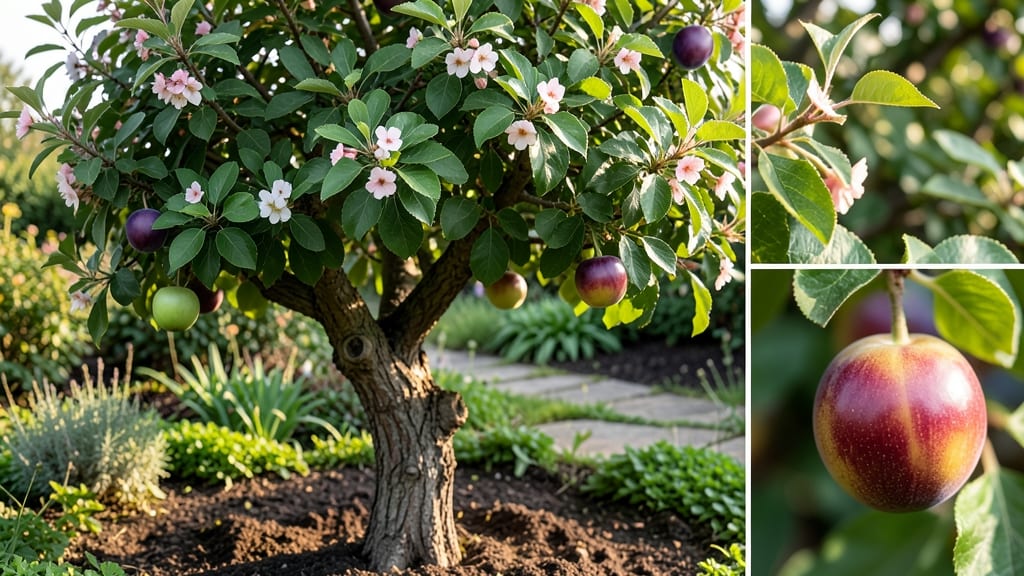
Plum trees bear fruit typically 2 to 4 years after planting, but the exact timing depends on your climate zone and variety. 🌱 In warmer zones (7-10), most plums fruit in late spring to early summer, while cooler zones (4-6) see harvests 2-4 weeks later—sometimes stretching into early fall.
Japanese plums often ripen first, followed by European varieties.
Age matters too—young trees focus on root growth before fruiting, so patience is key. Biennial bearing (alternating heavy/light crops) is common, but proper pruning and pollination help steady production. Thin fruit early to avoid overburdening branches, and ensure cross-pollination if growing a single tree.
First harvests are exciting but modest—expect 5-10 pounds from mature trees. The sweet-tart flavor peaks when fruit yields slightly to gentle pressure. Store plums in the fridge for up to 2 weeks, or freeze for later baking (though we’re focusing on the garden, not the kitchen!).
To encourage fruiting, prune in late winter to open the canopy, and fertilize lightly in early spring. Drought-stressed trees produce fewer plums, so keep soil consistently moist during blooming. Pests like borers can delay fruiting—watch for signs and act early.
📚 In This Guide
- What you need
- Instructions
- Tips and common mistakes
- Wrapping up and next steps
What you need
- ● Plum Tree Variety: Choose a variety suited to your USDA Hardiness Zone (e.g., Stanley for Zones 5-9, Santa Rosa for Zones 4-8).
- ● Bare-root or potted sapling (1-2 years old for faster fruiting).
- ● Soil & Amendments: Well-draining, slightly acidic soil (pH 6.0-6.5).
- ● Compost (5-10 gallons) or organic matter (e.g., aged manure).
- ● Balanced fertilizer (10-10-10 or 5-10-10, 1 lb per 100 sq ft).
- ● Planting Supplies: Shovel (for digging).
- ● Garden gloves (to protect hands).
- ● Mulch (3-4 inches of wood chips or straw).
- ● Drip irrigation system or hose (for consistent watering).
- ● Pruning Tools: Bypass pruners (for clean cuts).
- ● Loppers (for thicker branches).
- ● Saw (for large branches, if needed).
- ● Rubbing alcohol (70% or higher) and pruning sealant (to disinfect tools).
- ● Tree support stake (if planting in windy areas).
- ● Fruit thinners (if tree produces excess plums).
- ● Pest control (neem oil or insecticidal soap for aphids/borers).
- ● Soil test kit (to check pH/nutrient levels).
- ● Disease-resistant variety (e.g., Methley or Larry Kelley for fungal resistance).
How to predict your plum tree's first fruit harvest
Plum trees follow predictable patterns—once you know your climate zone, timing becomes clear.
🌱 Step 1: Identify Your Plum Tree's Variety and Zone
First, determine your USDA hardiness zone (1-11) and your plum tree's specific variety. European plums (Prunus domestica) typically bear fruit in zones 4-8, while Japanese plums (Prunus salicina) thrive in zones 5-9. Dwarf varieties may fruit a year earlier than standard-sized trees. Check your tree's tag or consult a local nursery—this is the foundation of your timing estimate.
Here's the thing—some varieties like 'Santa Rosa' produce fruit within 2-3 years of planting, while others like 'Stanley' take 4-5 years. The variety's maturity date (often labeled as "early," "mid," or "late season") directly impacts when you'll see fruit. For example, early varieties like 'Methley' ripen in late June, while late varieties like 'Burbank' peak in September.
☀️ Step 2: Calculate Years to First Fruit Based on Zone and Variety
In zones 5-7, most plum trees bear fruit within 3-4 years of planting, assuming proper care. Cooler zones (4) may see delayed fruiting (4-5 years) due to slower spring growth. Southern zones (8-9) often produce fruit within 2 years, but heat stress can reduce yields. The key is consistent chilling hours—plum trees need 300-1,000 hours below 45°F annually to set fruit properly.
Watch for flower buds in late winter—they're your first sign of upcoming fruit. These appear as small, swollen nodes along the branches. If your tree flowers but drops petals without fruit forming, it's likely due to inadequate pollination or late frost damage. This is when knowing your variety matters most—some, like 'Honey Sweet,' are self-pollinating, while others require a second tree.
⏰ Step 3: Track Seasonal Cues for First Harvest Timing
Once your tree is mature enough to fruit, timing hinges on spring bloom and fruit development. Plums typically take 60-90 days from bloom to harvest. For example, if flowers appear in early April, expect fruit ready in late May to June. Keep a garden journal noting bloom dates—this creates a reliable baseline for future years.
Here's what to watch for: fruit should double in size within 4-6 weeks after bloom. The skin will shift from green to its mature color (yellow, red, or purple, depending on variety), and the flesh will soften slightly when gently squeezed. Overripe plums fall easily, so harvest just before they reach peak ripeness for best flavor and storage life.
🌿 Step 4: Adjust Care to Encourage Earlier or More Reliable Fruiting
To coax fruit along faster, ensure your tree gets full sun (6-8 hours daily) and well-draining soil. Plums hate soggy roots, so amend heavy clay with 2-3 inches of compost before planting. Fertilize in early spring with a balanced 10-10-10 formula—too much nitrogen delays fruiting as the tree focuses on leaf growth instead.
Thin fruit when they're golf-ball sized to prevent overcrowding. Leave 4-6 inches between plums—this improves size and quality. I know it seems cruel, but removing excess fruit redirects the tree's energy to fewer, larger, higher-quality plums. Prune in late winter to improve airflow and sunlight penetration, which reduces disease and encourages stronger fruiting branches.
Tips & tricks for predicting your plum tree's first fruit harvest
Let me save you years of guesswork—these are the details that make all the difference when timing your plum harvest.
Variety Matters: The 2-3 year range for early varieties like 'Santa Rosa' is non-negotiable, but late bloomers like 'Burbank' need that full 4-5 years. I once had a 'Stanley' plum tree that frustrated me for years until I finally checked the tag—it was a late-season variety that needed patience. Always verify your specific cultivar at planting.
Chilling Hours Are Non-Negotiable: Those 300-1,000 hours below 45°F aren't just numbers—they're the difference between fruit set and disappointment. In zone 7, I track winter chill hours using a simple thermometer from my local hardware store. If you're in a marginal zone, consider varieties bred for lower chill requirements like 'Honey Sweet'.
Seasonal Cues Don't Lie: The 60-90 day window from bloom to harvest is your best friend. Mark your calendar when those flower buds appear in late winter—it's your countdown clock. Pro tip: Use a garden journal to track bloom dates year after year. I've noticed my 'Methley' plums consistently ripen 87 days after bloom, give or take 3 days.
Soil and Sun Are the Foundation: That 6-8 hours of daily sun isn't optional—plums are sun worshippers. I've seen trees in partial shade produce fruit, but the quality and quantity suffer dramatically. For soil, the 2-3 inches of compost recommendation isn't just about drainage; it's about creating that ideal microbial environment that plum roots crave. Test your soil pH too—plums prefer 6.0-6.5.
Pro Tips for When Does Plum Tree Bear Fruit
- Let me save you years of guesswork—these are the details that make all the difference when timing your plum harvest.
- Variety Matters: The 2-3 year range for early varieties like 'Santa Rosa' is non-negotiable, but late bloomers like '...
- Chilling Hours Are Non-Negotiable: Those 300-1,000 hours below 45°F aren't just numbers—they're the difference betwee...
Frequently asked questions
Got questions about plum tree fruiting? You’re not alone! Here are answers to the most common queries—so you can plan your harvest like a pro.
How do I know if my plum tree is old enough to bear fruit?
Most plum trees start producing fruit 2 to 5 years after planting, depending on the variety. Dwarf varieties may fruit sooner (1–3 years), while standard trees can take up to 5 years. Patience is key—focus on proper care (water, sunlight, pruning) to encourage early blooms!
Why isn’t my plum tree bearing fruit after 3+ years?
Several factors could delay fruiting: lack of sunlight (plums need 6+ hours daily), poor soil (test pH; ideal range is 6.0–6.5), or over-pruning (too many cuts reduce energy for fruit). Check for pests/diseases too—aphids or borers can stress the tree. Try fertilizing with phosphorus-rich compost!
Can I speed up fruiting in a young plum tree?
Yes! Prune strategically in late winter to open the canopy for sunlight, and thin fruit clusters (leave 6–8 plums per branch) to boost size. Cross-pollination helps too—plant a second compatible variety nearby (e.g., Stanley + Santa Rosa). Avoid heavy nitrogen fertilizer; it promotes leaves over fruit.
Does climate affect when plums ripen?
Warmer zones (USDA 7–10)
yield fruit earlier (May–June), while cooler zones (4–6) may see harvests in July–August. Late frosts can damage blossoms—choose late-blooming varieties (e.g., Methley) for Zone 5–6. Mulch roots in spring to protect from temperature swings!
What if my plum tree only produces a few fruits?
Low yields often stem from poor pollination (hand-pollinate with a brush if bees are scarce) or nutrient deficiencies. Test soil for potassium/magnesium—critical for fruit development. Thin excess fruit early to prevent branch breakage, and consider rootstock grafting if the tree is unproductive after 5+ years.
Wrapping up and next steps
Understanding when your plum tree will bear fruit depends on its variety, climate zone, and care—so don’t get discouraged if patience is needed! 🌱 Most trees take 2–5 years to produce fruit, but with the right pruning, soil, and sunlight, you’ll be enjoying juicy plums in no time. Now’s the perfect moment to monitor your tree’s progress, adjust care as needed, and maybe even plan a future harvest celebration!
Ready to take the next step? Check your local frost dates, research plum varieties suited to your zone, and start a simple pruning schedule. Your future fruit basket is waiting! 🍑